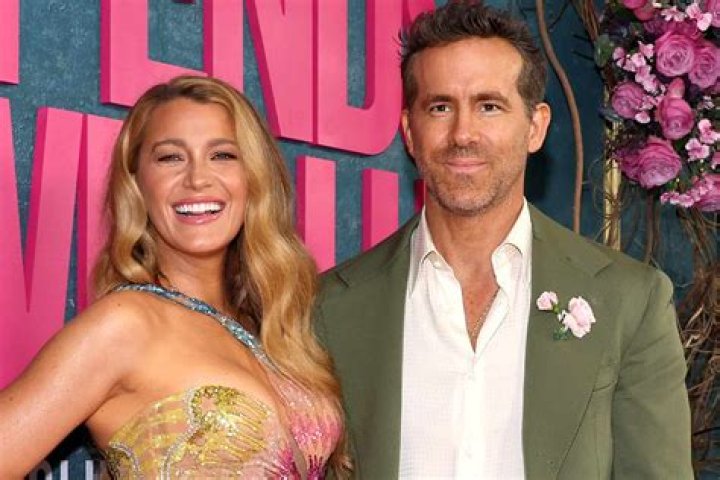
Bailey Zimmerman is an American country music singer and songwriter. He was born in Warsaw, Missouri, in 1993. He rose to fame in 2022 with his debut single, "Fall in Love".
Zimmerman's sexuality has been the subject of much speculation. In a 2022 interview with The Boot, he said that he is "not gay, but I'm not straight either." He has also said that he is "open to love, no matter what form it takes."
Zimmerman's openness about his sexuality has been praised by many. He has been seen as a role model for other LGBTQ+ people, especially in the country music community. His willingness to talk about his sexuality has helped to break down stereotypes and create a more inclusive environment.
Is Bailey Zimmerman Gay?
Bailey Zimmerman's sexuality has been the subject of much speculation. In a 2022 interview with The Boot, he said that he is "not gay, but I'm not straight either." He has also said that he is "open to love, no matter what form it takes."
- Coming out
- Labels and identity
- Stereotypes and misconceptions
- Representation and visibility
- Role models and mentors
- Community and belonging
- Acceptance and inclusion
- Love is love
- Personal journey
- Evolving perspectives
Zimmerman's openness about his sexuality has been praised by many. He has been seen as a role model for other LGBTQ+ people, especially in the country music community. His willingness to talk about his sexuality has helped to break down stereotypes and create a more inclusive environment.
Coming out
Coming out is the process of disclosing one's sexual orientation or gender identity to others. It can be a difficult and emotional process, but it can also be a liberating and empowering one. For many LGBTQ+ people, coming out is an important step in accepting themselves and living authentically.
Bailey Zimmerman's decision to come out has been praised by many. He has been seen as a role model for other LGBTQ+ people, especially in the country music community. His willingness to talk about his sexuality has helped to break down stereotypes and create a more inclusive environment.
Coming out can be a difficult decision, but it can also be a very rewarding one. It can help LGBTQ+ people to feel more confident and accepted. It can also help to raise awareness and understanding of LGBTQ+ issues.
Labels and identity
Labels can be a powerful way to express our identity and connect with others who share our experiences. For LGBTQ+ people, labels can be a way to come to terms with their own sexuality and gender identity, and to find a sense of community. However, labels can also be limiting and confining, and can lead to discrimination and prejudice.
Bailey Zimmerman's decision to come out as "not gay, but not straight either" has sparked a conversation about the importance of labels and identity. For some, his statement is a refreshing departure from the traditional binary of gay and straight. It suggests that there is a more fluid and nuanced understanding of sexuality and gender identity. For others, his statement is seen as a way to avoid being labeled as gay, which can still carry a stigma in some communities.
Ultimately, the decision of whether or not to use labels is a personal one. There is no right or wrong answer. However, it is important to be aware of the potential benefits and drawbacks of using labels, and to make a decision that feels right for you.
Stereotypes and misconceptions
Stereotypes are widely held but often inaccurate beliefs about a particular group of people. Misconceptions are beliefs that are not based on fact. Both stereotypes and misconceptions can be harmful, as they can lead to discrimination and prejudice.
There are many stereotypes and misconceptions about LGBTQ+ people. For example, some people believe that all LGBTQ+ people are flamboyant and outgoing, or that they are all promiscuous. These stereotypes are not only inaccurate, but they can also be harmful, as they can lead to discrimination and prejudice.
Bailey Zimmerman's decision to come out as "not gay, but not straight either" challenges these stereotypes and misconceptions. His statement suggests that there is a more fluid and nuanced understanding of sexuality and gender identity. It also shows that LGBTQ+ people are just as diverse as any other group of people.
It is important to challenge stereotypes and misconceptions about LGBTQ+ people. We need to educate ourselves about the diversity of the LGBTQ+ community, and we need to be more accepting of people who are different from us.
Representation and visibility
Representation and visibility are important for LGBTQ+ people. They help to challenge stereotypes and misconceptions, and they can provide a sense of community and belonging. Bailey Zimmerman's decision to come out as "not gay, but not straight either" is a powerful example of representation and visibility.
- Role models
LGBTQ+ people need to see themselves represented in the media and in public life. This can help them to feel more accepted and it can also inspire them to come out and live authentically. Bailey Zimmerman is a role model for many LGBTQ+ people, especially those who are questioning their sexuality or gender identity.
- Community building
LGBTQ+ people often feel isolated and alone. Representation and visibility can help to create a sense of community and belonging. Bailey Zimmerman's decision to come out has helped to create a more inclusive environment for LGBTQ+ people, especially in the country music community.
- Education
Representation and visibility can help to educate people about LGBTQ+ issues. Bailey Zimmerman's decision to come out has helped to raise awareness and understanding of LGBTQ+ people, especially among those who may not have had much contact with LGBTQ+ people before.
- Social change
Representation and visibility can lead to social change. Bailey Zimmerman's decision to come out has helped to challenge stereotypes and misconceptions about LGBTQ+ people. It has also helped to create a more inclusive environment for LGBTQ+ people.
Bailey Zimmerman's decision to come out is a powerful example of the importance of representation and visibility for LGBTQ+ people. It is a reminder that LGBTQ+ people are just as diverse as any other group of people, and that they deserve to be treated with respect and dignity.
Role models and mentors
Role models and mentors play an important role in the lives of LGBTQ+ people. They can provide support, guidance, and inspiration. They can also help LGBTQ+ people to feel more accepted and to come to terms with their own sexuality or gender identity.
Bailey Zimmerman has been a role model for many LGBTQ+ people, especially those who are questioning their sexuality or gender identity. His decision to come out as "not gay, but not straight either" has helped to challenge stereotypes and misconceptions about LGBTQ+ people. It has also helped to create a more inclusive environment for LGBTQ+ people, especially in the country music community.
Zimmerman has also been a mentor to other LGBTQ+ people. He has spoken out about the importance of acceptance and inclusion, and he has helped to create a more welcoming environment for LGBTQ+ people in the music industry.
Role models and mentors are essential for LGBTQ+ people. They can provide support, guidance, and inspiration. They can also help LGBTQ+ people to feel more accepted and to come to terms with their own sexuality or gender identity. Bailey Zimmerman is a powerful example of the importance of role models and mentors for LGBTQ+ people.Community and belonging
For LGBTQ+ people, community and belonging are essential. They can provide support, acceptance, and a sense of home. Bailey Zimmerman's decision to come out as "not gay, but not straight either" has helped to create a more inclusive community for LGBTQ+ people, especially in the country music community.
- Acceptance and support
LGBTQ+ people often face discrimination and prejudice. Community can provide a safe and supportive space where LGBTQ+ people can be themselves without fear of judgment or rejection. Bailey Zimmerman's decision to come out has helped to create a more accepting and supportive environment for LGBTQ+ people in the country music community.
- Sense of belonging
LGBTQ+ people can often feel isolated and alone. Community can provide a sense of belonging and connection. Bailey Zimmerman's decision to come out has helped to create a stronger sense of community among LGBTQ+ people in the country music community.
- Role models and mentors
LGBTQ+ people need role models and mentors to help them navigate their identity and their lives. Bailey Zimmerman has become a role model for many LGBTQ+ people, especially those who are questioning their sexuality or gender identity.
- Advocacy and activism
Community can provide a platform for advocacy and activism. Bailey Zimmerman has used his platform to speak out against discrimination and prejudice against LGBTQ+ people.
Bailey Zimmerman's decision to come out as "not gay, but not straight either" has had a profound impact on the LGBTQ+ community. He has helped to create a more inclusive and supportive community, and he has become a role model for many LGBTQ+ people.
Acceptance and inclusion
Acceptance and inclusion are essential for the well-being of LGBTQ+ people. They create a safe and supportive environment where LGBTQ+ people can be themselves without fear of judgment or rejection. Bailey Zimmerman's decision to come out as "not gay, but not straight either" is a powerful example of acceptance and inclusion.
Zimmerman's decision to come out has helped to challenge stereotypes and misconceptions about LGBTQ+ people. It has also helped to create a more inclusive environment for LGBTQ+ people in the country music community. Zimmerman's fans have been supportive of his decision to come out, and he has received praise from other LGBTQ+ artists and allies.
Acceptance and inclusion are important for everyone, but they are especially important for LGBTQ+ people. LGBTQ+ people often face discrimination and prejudice, and they need to know that they are accepted and included in their communities. Zimmerman's decision to come out is a powerful example of acceptance and inclusion, and it is a reminder that everyone deserves to be treated with respect and dignity.
Love is love
The phrase "love is love" is often used to express the idea that love is not limited to any particular gender or sexual orientation. It is a powerful statement that challenges traditional notions of love and celebrates the diversity of human relationships. Bailey Zimmerman's decision to come out as "not gay, but not straight either" can be seen as a powerful example of this principle in action.
- Love is not limited by gender or sexual orientation
One of the most important aspects of "love is love" is the idea that love is not limited by gender or sexual orientation. This means that people of all genders and sexual orientations are capable of experiencing love and being loved. Bailey Zimmerman's decision to come out as "not gay, but not straight either" challenges the traditional binary of gay and straight and suggests that there is a more fluid and nuanced understanding of sexuality and gender identity.
- Love is about more than physical attraction
Another important aspect of "love is love" is the idea that love is about more than physical attraction. It is about a deep connection between two people that goes beyond physical appearance or sexual orientation. Bailey Zimmerman's decision to come out as "not gay, but not straight either" suggests that he is open to love no matter what form it takes. This is a powerful message that challenges the idea that love is only possible between two people of the opposite sex.
- Love is about acceptance and respect
Finally, "love is love" is about acceptance and respect. It is about accepting and respecting people for who they are, regardless of their gender or sexual orientation. Bailey Zimmerman's decision to come out as "not gay, but not straight either" is a powerful example of this principle in action. He is not afraid to be who he is, and he is not afraid to love who he loves. This is a powerful message that challenges homophobia and discrimination and promotes acceptance and respect for all people.
Bailey Zimmerman's decision to come out as "not gay, but not straight either" is a powerful example of the principle of "love is love." It is a reminder that love is not limited by gender or sexual orientation, that love is about more than physical attraction, and that love is about acceptance and respect. Zimmerman's decision to come out is a challenge to traditional notions of love and a celebration of the diversity of human relationships.
Personal journey
Understanding "is bailey zimmerman gay" involves examining Zimmerman's personal journey of identity and self-discovery. His experiences, choices, and reflections shape his perspective on sexuality and gender, contributing to the complexities of his identity.
- Exploration and questioning
Zimmerman's journey began with exploration and questioning of his feelings and attractions. He recognized that his experiences didn't fit neatly into traditional labels, leading him to explore beyond societal norms and expectations.
- Self-acceptance and authenticity
Zimmerman's journey emphasized self-acceptance and authenticity. He embraced his unique experiences and feelings, allowing them to inform his understanding of his own identity, rather than conforming to external pressures.
- Fluidity and evolution
Zimmerman's journey acknowledges the fluidity and evolution of identity. He recognizes that his understanding of his sexuality and gender may continue to evolve over time, reflecting his ongoing experiences and insights.
- Intersectionality and lived experiences
Zimmerman's journey considers the intersectionality of his identity. His experiences as a musician, public figure, and individual shape his perspective and contribute to his evolving understanding of his sexuality and gender.
Zimmerman's personal journey highlights the complex and multifaceted nature of identity. His experiences and reflections contribute to the ongoing dialogue surrounding sexuality and gender, challenging societal norms and promoting greater acceptance and understanding.
Evolving perspectives
The connection between "evolving perspectives" and "is bailey zimmerman gay" lies in the recognition that sexuality and gender are not static concepts, but rather fluid and evolving aspects of identity. Zimmerman's journey highlights the importance of embracing evolving perspectives, allowing for a deeper understanding of one's own identity and experiences.
Evolving perspectives challenge traditional notions of sexuality and gender, creating a more inclusive and accepting environment. As societal attitudes and cultural norms shift, individuals are becoming more comfortable exploring and expressing their authentic selves. This evolution allows for a broader understanding of the human experience, recognizing the diversity of sexual orientations and gender identities.
In Zimmerman's case, his evolving perspectives have led him to embrace a more nuanced understanding of his own sexuality. He has recognized that his experiences and feelings cannot be confined to traditional labels, and has chosen to embrace the fluidity of his identity. This journey of self-discovery and acceptance serves as an example of the power of evolving perspectives in shaping one's understanding of sexuality and gender.
Evolving perspectives are crucial for fostering a society that is inclusive and respectful of all individuals, regardless of their sexual orientation or gender identity. By embracing evolving perspectives, we can create a world where everyone feels comfortable and empowered to live authentically.
FAQs on "Is Bailey Zimmerman Gay?"
This section addresses frequently asked questions and misconceptions surrounding Bailey Zimmerman's sexuality and identity, providing informative answers based on available information and relevant discussions.
Question 1: Is Bailey Zimmerman gay?
In a 2022 interview with The Boot, Zimmerman stated that he is "not gay, but not straight either," suggesting a more nuanced understanding of his sexuality beyond traditional labels.
Question 2: Why did Zimmerman choose to come out publicly?
Zimmerman has not explicitly stated his reasons for coming out publicly, but his decision has been praised by many for its potential to challenge stereotypes, promote visibility, and foster greater acceptance for LGBTQ+ individuals.
Question 3: How has Zimmerman's sexuality affected his music?
Zimmerman's music often explores themes of love, relationships, and self-discovery. While he does not explicitly address his sexuality in his songs, some fans have interpreted his lyrics as expressing a broader perspective on gender and identity.
Question 4: Has Zimmerman faced any backlash or criticism for his comments on sexuality?
Zimmerman's decision to come out has been largely met with support and praise. However, some individuals have expressed criticism or skepticism, highlighting the ongoing challenges and prejudices faced by LGBTQ+ individuals in society.
Question 5: What is the significance of Zimmerman's statement about his sexuality?
Zimmerman's statement challenges traditional notions of sexuality and gender, recognizing the fluidity and complexity of human experiences. It contributes to a broader discussion about identity, acceptance, and the importance of respecting individual journeys.
Question 6: How does Zimmerman's experience relate to broader societal attitudes towards LGBTQ+ individuals?
Zimmerman's journey and experiences reflect the changing societal landscape regarding LGBTQ+ issues. While progress has been made in promoting acceptance and inclusivity, challenges and prejudices persist, emphasizing the need for continued dialogue and support.
In conclusion, Bailey Zimmerman's public exploration of his sexuality has sparked important conversations about identity, labels, and the evolving understanding of gender and sexual orientation. His experiences and perspectives contribute to a broader societal shift towards greater acceptance and inclusivity for LGBTQ+ individuals.
Back to top
Tips on Navigating Discussions About Bailey Zimmerman's Sexuality
Engaging in respectful and informed discussions about Bailey Zimmerman's sexuality requires sensitivity, understanding, and a commitment to creating an inclusive environment. Here are several tips to consider:
Tip 1: Respect Individual Identity and Experiences
Recognize that sexuality and gender identity are personal and unique to each individual. Avoid making assumptions or generalizations about Zimmerman's experiences based on his public statements.
Tip 2: Use Inclusive Language
When discussing Zimmerman's sexuality, use respectful and inclusive language that avoids stereotypes or labels. Focus on his own words and experiences rather than relying on assumptions.
Tip 3: Listen Actively and Seek Understanding
Engage in active listening when others share their perspectives on Zimmerman's sexuality. Seek to understand their viewpoints without interrupting or dismissing their opinions.
Tip 4: Challenge Stereotypes and Assumptions
Question and challenge any stereotypes or assumptions about LGBTQ+ individuals that may arise in discussions. Promote an environment of acceptance and respect for all.
Tip 5: Be Aware of Potential Biases
Recognize that personal biases may influence our perceptions and discussions about Zimmerman's sexuality. Be mindful of these biases and strive to approach conversations with objectivity.
Tip 6: Respect Boundaries and Privacy
Respect Zimmerman's privacy and boundaries regarding his personal life. Avoid speculating or spreading rumors about his sexuality. Focus on his music and artistic contributions.
Tip 7: Promote Inclusivity and Acceptance
Foster an inclusive and accepting environment where individuals feel comfortable discussing and exploring issues related to sexuality and gender identity without fear of judgment.
Tip 8: Stay Informed and Seek Education
Continuously educate yourself about LGBTQ+ issues, terminology, and the experiences of individuals within the community. This will help you engage in informed and respectful discussions.
By following these tips, you can contribute to meaningful and inclusive conversations about Bailey Zimmerman's sexuality, while respecting his privacy and promoting an environment where all individuals feel valued and accepted.
Back to top
Conclusion
The exploration of "is bailey zimmerman gay" unveils the complexities of identity, sexuality, and the evolution of societal perspectives. Zimmerman's journey highlights the fluidity of human experiences, challenging traditional labels and promoting greater acceptance for LGBTQ+ individuals.
His decision to come out publicly has sparked important conversations about identity and visibility, reminding us that sexuality and gender are personal and diverse. Zimmerman's experiences resonate with broader societal shifts towards inclusivity and the recognition of individual journeys. As we continue to navigate these discussions, it is crucial to approach them with sensitivity, respect, and a commitment to fostering an environment where all individuals feel valued and accepted.