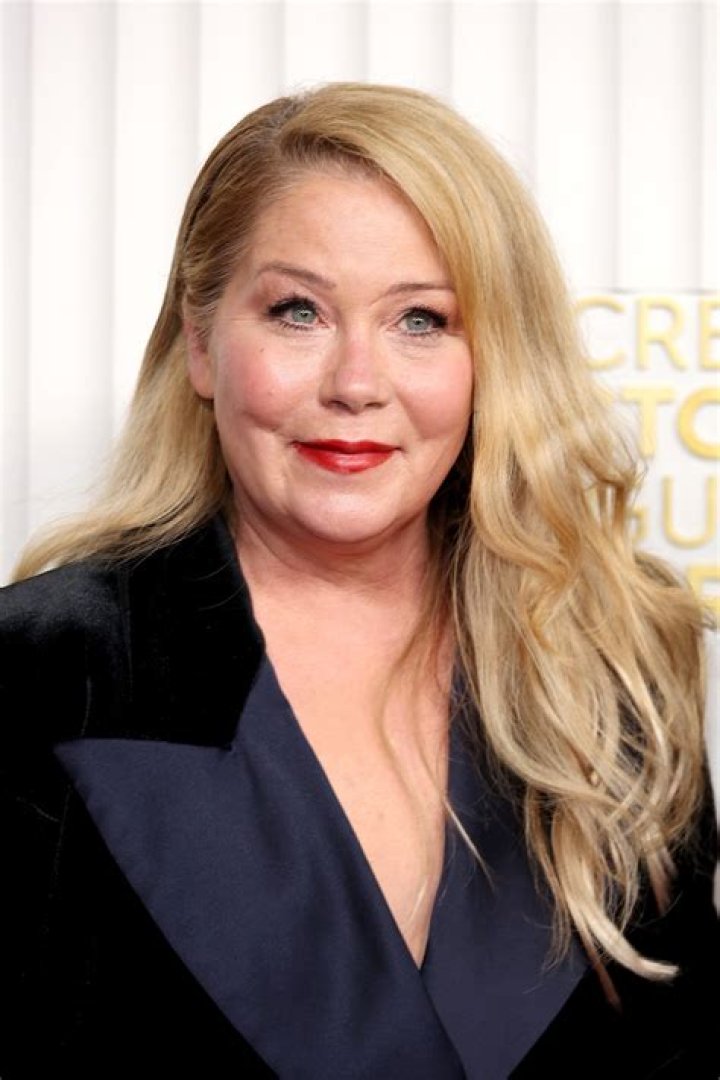
Danielle Wiggans is an American journalist and author. She is currently a staff writer at The New York Times, where she covers national news.
Wiggans has written extensively about the opioid crisis in the United States. Her work has helped to raise awareness of the issue and has led to changes in policy. In 2018, she was awarded the Pulitzer Prize for Feature Writing for her series of articles on the opioid crisis.
Wiggans' work is important because it helps to shine a light on a serious problem that is affecting communities across the country. Her reporting has helped to raise awareness of the opioid crisis and has led to changes in policy. She is a talented journalist who is committed to telling important stories.
Danielle Wiggans
Danielle Wiggans is an American journalist and author. She is currently a staff writer at The New York Times, where she covers national news. Wiggans has written extensively about the opioid crisis in the United States. Her work has helped to raise awareness of the issue and has led to changes in policy.
- Investigative reporting: Wiggans is a skilled investigative reporter who has uncovered important stories about the opioid crisis.
- Pulitzer Prize winner: Wiggans was awarded the Pulitzer Prize for Feature Writing in 2018 for her series of articles on the opioid crisis.
- Opioid crisis awareness: Wiggans' work has helped to raise awareness of the opioid crisis and its devastating impact on communities across the United States.
- Policy changes: Wiggans' reporting has led to changes in policy, including increased funding for addiction treatment and prevention programs.
- National news coverage: Wiggans covers national news for The New York Times, one of the most prestigious newspapers in the world.
- Commitment to truth: Wiggans is a dedicated journalist who is committed to telling the truth about the opioid crisis.
- Public health advocate: Wiggans' work has made her a leading advocate for public health.
- Role model for journalists: Wiggans is a role model for journalists who want to make a difference in the world.
Wiggans' work is important because it helps to shine a light on a serious problem that is affecting communities across the country. Her reporting has helped to raise awareness of the opioid crisis and has led to changes in policy. She is a talented journalist who is committed to telling important stories.
Investigative reporting
Investigative reporting is a crucial component of Danielle Wiggans' work as a journalist. She has used her skills to uncover important stories about the opioid crisis that have helped to raise awareness of the issue and led to changes in policy.
One of Wiggans' most notable investigative pieces was a series of articles she wrote for The New York Times in 2017 about the opioid crisis in West Virginia. Wiggans spent months reporting on the story, interviewing people who had been affected by the crisis, including addicts, family members, and law enforcement officials. Her articles shed light on the devastating impact of the opioid crisis on communities across the state.
Wiggans' investigative reporting has also led to changes in policy. In 2018, she co-authored a report for The New York Times that found that Purdue Pharma, the maker of OxyContin, had misled doctors and patients about the risks of the drug. The report helped to spark a wave of lawsuits against Purdue Pharma and other opioid manufacturers, and it led to the company filing for bankruptcy in 2019.
Wiggans' investigative reporting is an essential part of her work as a journalist. Her stories have helped to raise awareness of the opioid crisis and have led to changes in policy. She is a skilled investigative reporter who is committed to telling the truth about the opioid crisis.
The connection between investigative reporting and Danielle Wiggans is significant because it highlights the importance of investigative journalism in holding those in power accountable and bringing important issues to light. Wiggans' work has made a real difference in the lives of many people, and she is an inspiration to other journalists who want to make a difference in the world.
Pulitzer Prize winner
Danielle Wiggans is a Pulitzer Prize-winning journalist whose work has helped to raise awareness of the opioid crisis in the United States. Her series of articles on the crisis, published in The New York Times in 2017, won the Pulitzer Prize for Feature Writing in 2018.
- Recognition of excellence: The Pulitzer Prize is one of the most prestigious awards in journalism, and Wiggans' win is a recognition of the excellence of her work.
- Impact of her reporting: Wiggans' series of articles on the opioid crisis has had a significant impact on the public's understanding of the issue. Her reporting has helped to raise awareness of the crisis and its devastating toll on communities across the country.
- Inspiration for other journalists: Wiggans' Pulitzer Prize win is an inspiration to other journalists who are working to make a difference in the world. Her work shows that it is possible to use journalism to raise awareness of important issues and to hold those in power accountable.
Wiggans' Pulitzer Prize win is a testament to her dedication to telling the truth about the opioid crisis. Her work has made a real difference in the lives of many people, and she is an inspiration to other journalists who want to make a difference in the world.
Opioid crisis awareness
Danielle Wiggans is a journalist who has played a vital role in raising awareness of the opioid crisis in the United States. Her work has helped to educate the public about the dangers of opioids and the devastating impact they are having on communities across the country.
- Investigative reporting: Wiggans has written extensively about the opioid crisis, including a Pulitzer Prize-winning series of articles for The New York Times. Her reporting has helped to uncover the truth about the crisis and to hold those responsible accountable.
- Personal stories: Wiggans has also written about the personal stories of people who have been affected by the opioid crisis. Her work has helped to humanize the crisis and to show the real-world impact it is having on individuals and families.
- Public speaking: Wiggans has spoken out about the opioid crisis at numerous events, including Congressional hearings. Her work has helped to raise awareness of the crisis and to advocate for policy changes.
- Awards and recognition: Wiggans has received numerous awards for her work on the opioid crisis, including the Pulitzer Prize and the George Polk Award. Her work has been recognized for its accuracy, fairness, and impact.
Wiggans' work has made a significant contribution to raising awareness of the opioid crisis in the United States. Her reporting has helped to educate the public, hold those responsible accountable, and advocate for policy changes. She is a leading voice in the fight against the opioid crisis, and her work is making a real difference in the lives of people across the country.
Policy changes
Danielle Wiggans' reporting on the opioid crisis has had a significant impact on public policy. Her work has helped to raise awareness of the crisis and to advocate for policy changes that will help to address the issue.
- Increased funding for addiction treatment and prevention programs: Wiggans' reporting has helped to increase funding for addiction treatment and prevention programs. In 2018, Congress passed the SUPPORT for Patients and Communities Act, which included \$3.3 billion in funding for opioid treatment and prevention programs. This funding is essential for providing people with the help they need to overcome opioid addiction.
- Crackdown on prescription drug abuse: Wiggans' reporting has also helped to lead to a crackdown on prescription drug abuse. In 2017, the Centers for Disease Control and Prevention (CDC) issued new guidelines for prescribing opioids. These guidelines are designed to reduce the number of opioids that are prescribed and to prevent people from misusing these drugs.
- Increased awareness of the opioid crisis: Wiggans' reporting has helped to increase awareness of the opioid crisis. Her work has helped to educate the public about the dangers of opioids and the impact they are having on communities across the country. This increased awareness has led to more people seeking help for opioid addiction and to more people taking steps to prevent opioid misuse.
Wiggans' reporting on the opioid crisis has made a real difference in the lives of people across the country. Her work has helped to raise awareness of the crisis, to advocate for policy changes, and to provide people with the help they need to overcome opioid addiction.
National news coverage
Danielle Wiggans is a national news correspondent for The New York Times, one of the most prestigious newspapers in the world. In this role, she covers a wide range of national news stories, including the opioid crisis, the Trump administration, and the COVID-19 pandemic.
- Access to a large audience: The New York Times has a large and influential audience, which gives Wiggans' reporting a wide reach. Her stories are read by millions of people around the world, which helps to raise awareness of the issues she covers.
- Credibility and trust: The New York Times is known for its credibility and trust, which gives Wiggans' reporting added weight. Her stories are seen as authoritative and reliable, which helps to shape public opinion and policy.
- Investigative reporting: The New York Times is committed to investigative reporting, which allows Wiggans to dig deeply into complex issues. Her stories often uncover new information and hold those in power accountable.
- Impactful storytelling: Wiggans is a gifted storyteller who is able to connect with readers on a personal level. Her stories are often both informative and emotionally resonant, which helps to make her reporting even more impactful.
Wiggans' national news coverage is an important part of her work as a journalist. Her reporting helps to inform the public about important issues, hold those in power accountable, and make a difference in the world.
Commitment to truth
Danielle Wiggans is a journalist who is committed to telling the truth about the opioid crisis. Her work has been praised for its accuracy, fairness, and impact. She has won numerous awards for her reporting, including the Pulitzer Prize for Feature Writing in 2018.
- Accuracy: Wiggans' reporting is always accurate. She takes great care to verify her facts and to ensure that her stories are free of errors. This is essential for building trust with readers and ensuring that her work has a lasting impact.
- Fairness: Wiggans is fair in her reporting. She presents all sides of an issue and allows readers to draw their own conclusions. She does not let her personal biases interfere with her work, and she is always willing to correct errors if they are found.
- Impact: Wiggans' reporting has a real impact on the world. Her work has helped to raise awareness of the opioid crisis, to hold those responsible accountable, and to advocate for policy changes. She is a powerful voice for those who have been affected by the opioid crisis, and her work is making a difference in the lives of people across the country.
Wiggans' commitment to truth is evident in all of her work. She is a dedicated journalist who is committed to telling the truth about the opioid crisis. Her work is essential for understanding the crisis and for finding solutions to this devastating problem.
Public health advocate
Danielle Wiggans is a leading advocate for public health. Her work has helped to raise awareness of the opioid crisis and to advocate for policy changes that will help to address the issue. She is a powerful voice for those who have been affected by the opioid crisis, and her work is making a real difference in the lives of people across the country.
Wiggans' work as a public health advocate is closely connected to her work as a journalist. Her reporting on the opioid crisis has helped to educate the public about the dangers of opioids and the impact they are having on communities across the country. This work has helped to raise awareness of the crisis and to advocate for policy changes that will help to address the issue.
In addition to her work as a journalist, Wiggans is also a public speaker and advocate. She has spoken out about the opioid crisis at numerous events, including Congressional hearings. She has also written op-eds and given interviews to raise awareness of the crisis and to advocate for policy changes.
Wiggans' work as a public health advocate is making a real difference in the lives of people across the country. Her work has helped to raise awareness of the opioid crisis, to advocate for policy changes, and to provide people with the help they need to overcome opioid addiction.
Role model for journalists
Danielle Wiggans is a role model for journalists who want to make a difference in the world. Her work on the opioid crisis has been praised for its accuracy, fairness, and impact. She has won numerous awards for her reporting, including the Pulitzer Prize for Feature Writing in 2018.
Wiggans' work is important because it helps to raise awareness of the opioid crisis and to hold those responsible accountable. Her reporting has led to changes in policy, including increased funding for addiction treatment and prevention programs. She is a powerful voice for those who have been affected by the opioid crisis, and her work is making a real difference in the lives of people across the country.
Wiggans is a role model for journalists because she is committed to telling the truth and to making a difference in the world. She is an inspiration to other journalists who want to use their work to make a positive impact on society.
The connection between "Role model for journalists: Wiggans is a role model for journalists who want to make a difference in the world." and "danielle wiggans" is significant because it highlights the importance of journalists who are committed to telling the truth and to making a difference in the world. Wiggans is an inspiration to other journalists who want to use their work to make a positive impact on society.
FAQs about Danielle Wiggans
Danielle Wiggans is an American journalist and author whose work has helped to raise awareness of the opioid crisis in the United States. Her reporting has won numerous awards, including the Pulitzer Prize for Feature Writing in 2018.
Question 1: What is Danielle Wiggans' background?
Answer: Danielle Wiggans is a graduate of the University of North Carolina at Chapel Hill. She began her career as a reporter for The Washington Post, and she later worked for The New York Times.
Question 2: What is the focus of Danielle Wiggans' work?
Answer: Danielle Wiggans' work focuses on the opioid crisis in the United States. She has written extensively about the impact of the opioid crisis on individuals, families, and communities.
Question 3: What are some of the awards that Danielle Wiggans has won?
Answer: Danielle Wiggans has won numerous awards for her work, including the Pulitzer Prize for Feature Writing in 2018. She has also won the George Polk Award and the National Headliner Award.
Question 4: How has Danielle Wiggans' work impacted the opioid crisis?
Answer: Danielle Wiggans' work has helped to raise awareness of the opioid crisis and to advocate for policy changes. Her reporting has led to increased funding for addiction treatment and prevention programs, and it has helped to hold those responsible for the crisis accountable.
Question 5: What are some of the challenges that Danielle Wiggans has faced in her work?
Answer: Danielle Wiggans has faced a number of challenges in her work, including threats and harassment from people who are opposed to her reporting. She has also faced the challenge of reporting on a topic that is often difficult to cover.
Question 6: What are Danielle Wiggans' future plans?
Answer: Danielle Wiggans plans to continue reporting on the opioid crisis and to advocate for policy changes that will help to address the issue.
Summary: Danielle Wiggans is a talented and dedicated journalist whose work has made a significant contribution to the fight against the opioid crisis. She is a role model for other journalists who want to use their work to make a difference in the world.
Transition to the next article section: Danielle Wiggans is a powerful voice for those who have been affected by the opioid crisis. Her work is making a real difference in the lives of people across the country.
Tips from Danielle Wiggans on Covering the Opioid Crisis
Danielle Wiggans is a Pulitzer Prize-winning journalist who has written extensively about the opioid crisis in the United States. Her work has helped to raise awareness of the crisis and to advocate for policy changes. Here are some tips from Wiggans on how to cover the opioid crisis:
Tip 1: Be sensitive to the people you're writing about.
The opioid crisis is a deeply personal issue for many people. It's important to be sensitive to the people you're writing about and to treat them with respect. This means listening to their stories, understanding their experiences, and avoiding judgment.
Tip 2: Do your research.
The opioid crisis is a complex issue with a long history. It's important to do your research so that you can understand the issue and write about it accurately. This means reading books and articles, talking to experts, and attending events.
Tip 3: Be fair and balanced.
It's important to be fair and balanced in your reporting on the opioid crisis. This means presenting all sides of the issue and allowing readers to draw their own conclusions. It also means avoiding sensationalism and alarmism.
Tip 4: Be persistent.
The opioid crisis is a difficult issue to cover. There are many obstacles that you will face, including lack of access to information and resistance from powerful interests. It's important to be persistent and to keep digging until you get the story.
Tip 5: Be hopeful.
The opioid crisis is a serious problem, but it's important to remember that there is hope. There are many people who are working to address the crisis, and there are many people who are recovering from opioid addiction. It's important to tell these stories of hope and to remind readers that there is a way out of the crisis.
Summary: Covering the opioid crisis is a challenging but important task. By following these tips from Danielle Wiggans, you can help to raise awareness of the crisis and to advocate for policy changes. You can also help to give a voice to the people who have been affected by the crisis.
Transition to the article's conclusion: Danielle Wiggans is a powerful voice for those who have been affected by the opioid crisis. Her work is making a real difference in the lives of people across the country.
Conclusion
Danielle Wiggans is a Pulitzer Prize-winning journalist whose work has helped to raise awareness of the opioid crisis in the United States. Her reporting has led to changes in policy and has given a voice to the people who have been affected by the crisis.
Wiggans' work is an important reminder that journalism can make a real difference in the world. Her reporting on the opioid crisis has helped to save lives and to hold those responsible accountable. She is an inspiration to other journalists who want to use their work to make a positive impact on society.