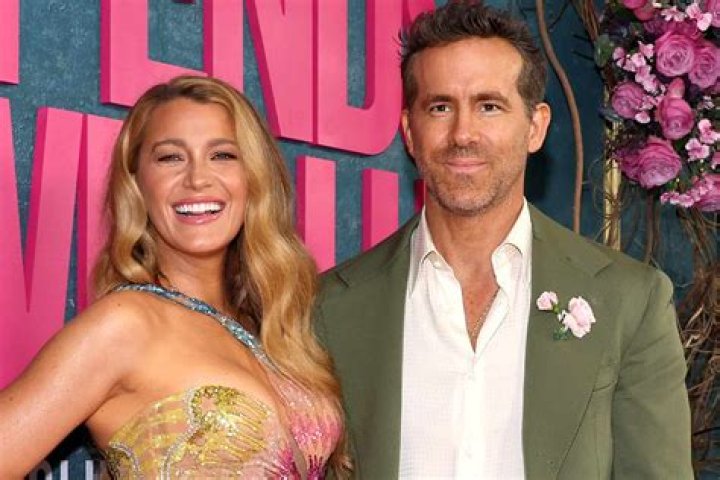
The question of "Is Martin Short gay?" has been a topic of speculation and interest among the public. Martin Short is a Canadian actor, comedian, writer, and singer. He is known for his work on the television shows "SCTV", "Saturday Night Live", and "The Martin Short Show".
Short has never publicly confirmed or denied his sexual orientation. However, there have been several instances where he has made jokes or comments that have led people to believe that he is gay. For example, in a 1994 interview with The Advocate, Short said, "I'm not gay, but I'm not straight either." He also once joked that he was "the gayest straight man in Hollywood."
Whether or not Martin Short is gay is ultimately a question that only he can answer. However, his comments and jokes about his sexuality have led many to believe that he is not heterosexual. Ultimately, it is up to each individual to decide what they believe.
Is Martin Short Gay?
The question of "Is Martin Short gay?" has been a topic of speculation and interest among the public for many years. Martin Short is a Canadian actor, comedian, writer, and singer. He is known for his work on the television shows "SCTV", "Saturday Night Live", and "The Martin Short Show".
- Personal life: Martin Short has never publicly confirmed or denied his sexual orientation.
- Public perception: Many people believe that Short is gay based on his jokes and comments about his sexuality.
- Media attention: The media has often speculated about Short's sexual orientation.
- Cultural context: The cultural context in which Short lives and works may influence his decision to keep his sexual orientation private.
- Social norms: Social norms around homosexuality have changed over time, and this may have influenced Short's decision to come out or not.
- Privacy: Short may choose to keep his sexual orientation private for personal reasons.
- Representation: Short's decision to come out or not could have an impact on the representation of LGBTQ+ people in the media.
- Role models: Short could be a role model for other LGBTQ+ people who are struggling with their own sexual orientation.
- Legacy: Short's legacy could be impacted by his decision to come out or not.
Ultimately, the question of "Is Martin Short gay?" is a personal one that only he can answer. However, the various aspects discussed above provide a deeper insight into the factors that may influence his decision to come out or not.
Personal life
The fact that Martin Short has never publicly confirmed or denied his sexual orientation is a significant factor in the speculation surrounding his sexuality. There are several reasons why someone might choose to keep their sexual orientation private, including personal privacy concerns, cultural norms, and fear of discrimination.
- Privacy: Short may choose to keep his sexual orientation private for personal reasons. He may not feel comfortable sharing this information with the public, and that is his right.
- Cultural norms: In some cultures, it is still taboo to be gay. Short may be hesitant to come out publicly due to fear of discrimination or rejection from his family, friends, or the public.
- Career: Short may be concerned that coming out could negatively impact his career. He may worry that he will lose fans or be typecast in certain roles.
- Personal journey: Short may still be exploring his own sexuality and may not be ready to come out publicly.
Ultimately, the decision of whether or not to come out is a personal one. There is no right or wrong answer. However, Short's decision to keep his sexual orientation private has led to much speculation and interest from the public.
Public perception
The public's perception of Martin Short as gay is largely based on his jokes and comments about his sexuality. Short has made several statements and jokes that have led people to believe that he is not heterosexual. For example, in a 1994 interview with The Advocate, Short said, "I'm not gay, but I'm not straight either." He also once joked that he was "the gayest straight man in Hollywood."
These kinds of statements have led many people to believe that Short is gay or bisexual. However, it is important to note that Short has never publicly confirmed or denied his sexual orientation. It is possible that he is simply joking about his sexuality or that he is not ready to come out publicly.
Regardless of his actual sexual orientation, Short's jokes and comments have had a significant impact on the public's perception of him. He is often seen as a gay icon and is often praised for his willingness to talk about his sexuality in a humorous way.
Short's jokes and comments about his sexuality have also helped to break down stereotypes about gay people. He has shown that it is possible to be gay and successful and that it is okay to be open about one's sexuality.
Media attention
The media's speculation about Martin Short's sexual orientation is a significant factor in the public's perception of him as gay. The media has often reported on Short's jokes and comments about his sexuality, and has often speculated about his sexual orientation based on these statements.
- The media's role in shaping public opinion: The media plays a powerful role in shaping public opinion. When the media reports on Short's jokes and comments about his sexuality, it can lead people to believe that he is gay, even if he has never publicly confirmed his sexual orientation.
- The impact of media speculation on Short's personal life: The media's speculation about Short's sexual orientation can have a negative impact on his personal life. He may feel pressured to come out publicly, even if he is not ready to do so. He may also be subjected to discrimination or harassment from people who believe that he is gay.
- The importance of media responsibility: The media has a responsibility to report on the facts accurately and fairly. When the media speculates about Short's sexual orientation, it is important to do so in a responsible way that does not harm his reputation or privacy.
The media's speculation about Martin Short's sexual orientation is a complex issue with no easy answers. However, it is important to be aware of the media's role in shaping public opinion and the potential impact of media speculation on Short's personal life.
Cultural context
The cultural context in which Martin Short lives and works is a significant factor in his decision to keep his sexual orientation private. Short is a Canadian actor, comedian, writer, and singer. He is known for his work on the television shows "SCTV", "Saturday Night Live", and "The Martin Short Show".
Short lives and works in the United States, a country where there is still a stigma associated with homosexuality. While attitudes towards homosexuality have become more accepting in recent years, there are still many people who hold negative views about gay people. This stigma can make it difficult for gay people to come out publicly, as they may fear discrimination or rejection.
- Fear of discrimination: Short may be concerned that coming out publicly could lead to discrimination in his career or personal life. He may worry that he could lose fans or be typecast in certain roles. He may also worry about being harassed or discriminated against by the public.
- Fear of rejection: Short may also be concerned that coming out publicly could lead to rejection from his family, friends, or colleagues. He may worry that they will not accept him or that they will treat him differently.
- Cultural values: The cultural values of the United States may also influence Short's decision to keep his sexual orientation private. In some cultures, it is considered to be more important to conform to societal norms than to be true to oneself. Short may feel pressure to conform to these norms and keep his sexual orientation private.
Ultimately, the decision of whether or not to come out publicly is a personal one. There is no right or wrong answer. However, the cultural context in which Short lives and works is a significant factor that he must consider when making this decision.
Social norms
Social norms around homosexuality have changed significantly over time. In the past, homosexuality was considered to be a mental illness or a sin. Today, homosexuality is more widely accepted, and many countries have legalized same-sex marriage.
This change in social norms may have influenced Martin Short's decision to come out or not. In the past, Short may have been hesitant to come out publicly due to fear of discrimination or rejection. Today, Short may be more comfortable coming out publicly because he knows that he is more likely to be accepted.
The change in social norms around homosexuality is a positive development. It has made it easier for gay people to live openly and honestly. It has also made it more difficult for people to discriminate against gay people.
However, it is important to note that social norms around homosexuality still vary from country tocountry. In some countries, it is still illegal to be gay. In other countries, gay people face discrimination and violence.
Despite the progress that has been made, there is still more work to be done to create a more just and equitable world for gay people.
Privacy
The question of "Is Martin Short gay?" has been a topic of speculation and interest among the public for many years. Martin Short is a Canadian actor, comedian, writer, and singer. He is known for his work on the television shows "SCTV", "Saturday Night Live", and "The Martin Short Show".
Short has never publicly confirmed or denied his sexual orientation. However, there have been several instances where he has made jokes or comments that have led people to believe that he is gay. For example, in a 1994 interview with The Advocate, Short said, "I'm not gay, but I'm not straight either." He also once joked that he was "the gayest straight man in Hollywood."
Whether or not Martin Short is gay is ultimately a question that only he can answer. However, one of the reasons why he may choose to keep his sexual orientation private is for personal reasons.
- Comfort and privacy: Short may simply not feel comfortable sharing his sexual orientation with the public. He may feel that it is a private matter that does not need to be shared with others.
- Fear of discrimination: Short may be concerned that coming out publicly could lead to discrimination in his career or personal life. He may worry that he could lose fans or be typecast in certain roles. He may also worry about being harassed or discriminated against by the public.
- Control over narrative: By keeping his sexual orientation private, Short maintains control over his own narrative. He can choose how and when to share this information with others, rather than having it be revealed without his consent.
- Personal journey: Short may still be exploring his own sexuality and may not be ready to come out publicly. He may feel that he needs more time to figure out his own identity before sharing it with the world.
Ultimately, the decision of whether or not to come out publicly is a personal one. There is no right or wrong answer. However, Short's decision to keep his sexual orientation private is a valid one that should be respected.
Representation
Martin Short is a well-known actor, comedian, writer, and singer. He has been in the entertainment industry for over 40 years and has starred in numerous films and television shows. Short's decision to come out or not could have a significant impact on the representation of LGBTQ+ people in the media.
- Visibility: If Short were to come out publicly, it would increase the visibility of LGBTQ+ people in the media. This could help to break down stereotypes and challenge the stigma that is often associated with homosexuality.
- Role models: Short could be a role model for other LGBTQ+ people, especially young people who are struggling with their own sexual orientation. Seeing a successful and out gay man could help them to feel more confident and accepted.
- Diversity: Short's decision to come out would add to the diversity of LGBTQ+ representation in the media. This is important because it shows that LGBTQ+ people come from all walks of life and that they are not all the same.
- Accuracy: If Short were to come out, it would help to create a more accurate representation of LGBTQ+ people in the media. This is important because it can help to challenge the negative stereotypes that are often perpetuated by the media.
Ultimately, the decision of whether or not to come out is a personal one. However, Short's decision could have a significant impact on the representation of LGBTQ+ people in the media. By coming out, he could help to break down stereotypes, challenge stigma, and increase visibility, diversity, and accuracy in LGBTQ+ representation.
Role models
The connection between the question "is Martin Short gay" and the statement "Short could be a role model for other LGBTQ+ people who are struggling with their own sexual orientation" lies in the potential impact that Short's public coming out could have on the LGBTQ+ community.
- Visibility: If Short were to publicly come out as gay, it would increase the visibility of LGBTQ+ people in the media. This could be especially important for young people who are struggling with their own sexual orientation and looking for role models.
- Acceptance: Seeing a successful and out gay man like Short could help to reduce the stigma associated with homosexuality and make it easier for other LGBTQ+ people to come to terms with their own sexual orientation.
- Inspiration: Short's story could inspire other LGBTQ+ people to come out and live their authentic lives. It could also help to create a more inclusive and accepting society for everyone.
While it is ultimately up to Short to decide whether or not to come out publicly, his decision could have a significant impact on the lives of other LGBTQ+ people. By being a role model for others, Short could help to create a more just and equitable world for all.
Legacy
The question of "is martin short gay" has been a topic of speculation and interest among the public for many years. Martin Short is a Canadian actor, comedian, writer, and singer. He is known for his work on the television shows "SCTV", "Saturday Night Live", and "The Martin Short Show". Short has never publicly confirmed or denied his sexual orientation, but his decision to come out or not could have a significant impact on his legacy.
- Increased visibility and representation: If Short were to come out publicly, it would increase the visibility of LGBTQ+ people in the media. This could help to break down stereotypes and challenge the stigma that is often associated with homosexuality. Short's legacy could be seen as one of helping to create a more inclusive and accepting society.
- Role model for LGBTQ+ youth: If Short were to come out, he could be a role model for other LGBTQ+ people, especially young people who are struggling with their own sexual orientation. Seeing a successful and out gay man could help them to feel more confident and accepted.
- Historical significance: If Short were to come out, he would be one of the few high-profile Canadian entertainers to do so. This could have a significant impact on the history of LGBTQ+ rights in Canada. Short's legacy could be seen as one of helping to advance equality for LGBTQ+ people.
- Personal authenticity: By coming out, Short would be living his life more authentically. This could have a positive impact on his overall well-being and happiness. Short's legacy could be seen as one of living a life true to oneself.
Ultimately, the decision of whether or not to come out is a personal one. However, Short's decision could have a significant impact on his legacy. By coming out, he could help to create a more inclusive and accepting society, be a role model for LGBTQ+ youth, make a historical impact, and live a more authentic life.
FAQs on "Is Martin Short Gay?"
This section addresses common questions and misconceptions surrounding the topic of Martin Short's sexual orientation.
Question 1: Has Martin Short publicly confirmed his sexual orientation?Answer: No, Martin Short has never publicly confirmed or denied his sexual orientation.
Question 2: Why is Martin Short's sexual orientation a topic of speculation?Answer: Short has made several jokes and comments about his sexuality that have led people to believe that he is gay, but he has never officially confirmed this.
Question 3: What are the potential reasons why Martin Short might choose to keep his sexual orientation private?Answer: Short may choose to keep his sexual orientation private for personal reasons, fear of discrimination, or to maintain control over his own narrative.
Question 4: How could Martin Short coming out publicly impact the LGBTQ+ community?Answer: If Short were to come out, it would increase the visibility of LGBTQ+ people in the media, provide a role model for LGBTQ+ youth, and contribute to a more inclusive society.
Question 5: What are the potential benefits of Martin Short coming out publicly?Answer: Coming out could help to break down stereotypes, reduce stigma, inspire others, and allow Short to live more authentically.
Question 6: What are the potential risks of Martin Short coming out publicly?Answer: Coming out could potentially lead to discrimination, harassment, or negative impact on his career. However, it is important to note that these risks are becoming less common in today's society.
Ultimately, the decision of whether or not to come out is a deeply personal one, and Martin Short has the right to make this decision on his own terms.
Transition to the next article section: This concludes the FAQs on Martin Short's sexual orientation. For further discussion and insights, please refer to the main article.
Tips on Discussing Sexual Orientation
Engaging in respectful and informed conversations about sexual orientation is crucial for fostering inclusivity and understanding. Here are several tips to guide your discussions:
Tip 1: Use respectful language.
Always refer to individuals using their preferred pronouns and avoid using derogatory or stereotypical terms. Remember that language has the power to affirm or invalidate someone's identity.
Tip 2: Be aware of your own biases.
Recognizing and challenging our own biases is essential for having open and honest conversations. Educate yourself about the experiences and perspectives of LGBTQ+ individuals to broaden your understanding.
Tip 3: Listen actively.
When someone shares their sexual orientation, listen attentively without interrupting or making assumptions. Show empathy and seek to understand their experiences and feelings.
Tip 4: Respect privacy.
Not everyone is comfortable sharing their sexual orientation. Respect their decision and do not pressure them to disclose this personal information if they are not ready.
Tip 5: Be an ally.
Support LGBTQ+ individuals by speaking up against discrimination and creating a safe and inclusive environment. Use your voice and actions to advocate for their rights and well-being.
Tip 6: Educate yourself.
Continuously seek knowledge about LGBTQ+ issues, history, and current events. Reading books, attending workshops, and engaging with LGBTQ+ organizations can expand your understanding and inform your conversations.
Tip 7: Be patient and understanding.
Creating a truly inclusive society takes time and effort. Approach discussions with patience and understanding, recognizing that everyone's journey of acceptance and understanding is unique.
Summary: By implementing these tips, you can contribute to more meaningful and respectful conversations about sexual orientation. Remember, empathy, respect, and a willingness to learn are key to fostering a society where everyone feels valued and included.
Conclusion
The question of "is Martin Short gay" has sparked discussions about the importance of visibility, representation, and the impact of public figures coming out. While Martin Short has never officially confirmed his sexual orientation, his journey and the public's perception of him highlight the complexities and nuances of sexual identity.
Whether or not Short chooses to come out publicly is a personal decision, but it carries significant implications for the LGBTQ+ community. Increased visibility of LGBTQ+ people in the media can challenge stereotypes, reduce stigma, and inspire others to live authentically. Short's potential role as a role model for LGBTQ+ youth and his contribution to a more inclusive society should be acknowledged and celebrated.
The ongoing conversations surrounding Martin Short's sexual orientation underscore the need for respectful and informed discussions about sexual identity. By using inclusive language, being aware of our biases, listening actively, respecting privacy, and educating ourselves, we can create a society where everyone feels valued and included.