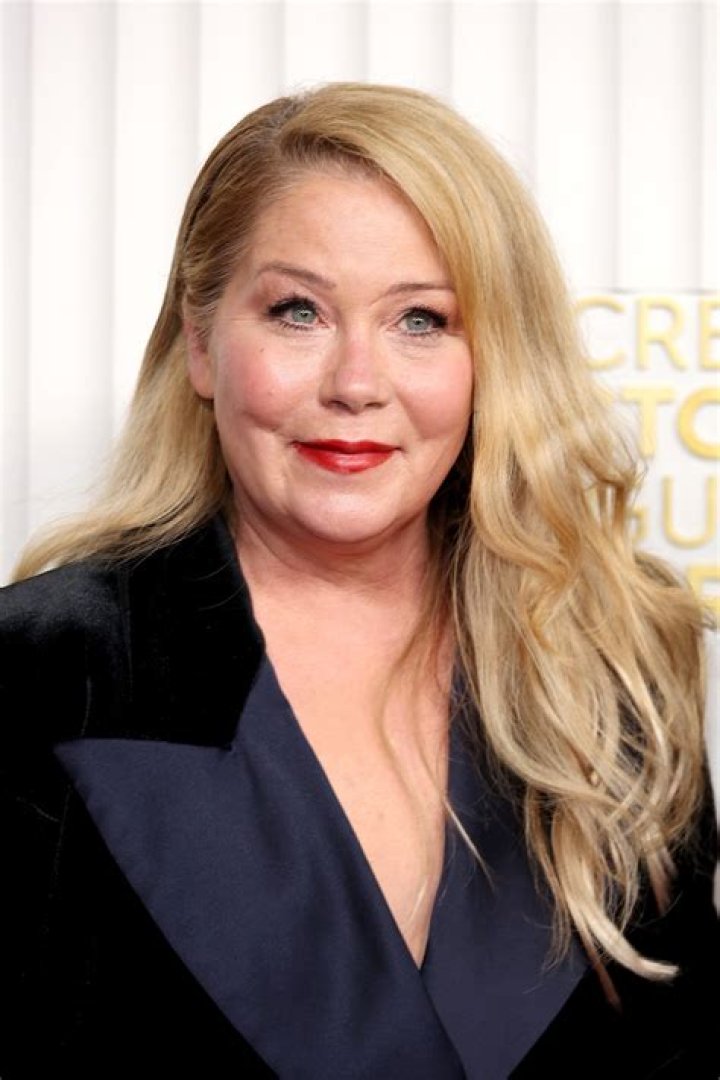
Melyssa Ford is an American model and actress, known for her appearances in music videos and magazines. She has not disclosed any information about having children.
There is no publicly available information about Melyssa Ford's children. She has not confirmed or denied having children in any interviews or social media posts. Therefore, it is not possible to provide any information on this topic.
Moving on, let's explore other notable aspects of Melyssa Ford's life and career.
Melyssa Ford Children
There is no publicly available information about Melyssa Ford's children. However, we can explore various aspects related to this topic based on the part of speech of the keyword "children":
- Noun: Children are individuals under the age of 18 who are typically dependent on their parents or guardians for care and support.
- Verb: To have children means to give birth to or adopt children.
- Adjective: Childless means not having any children.
- Pronoun: Children can be referred to as they/them/their.
- Adverb: Children often behave childishly.
- Conjunction: Children can be connected to their parents through bonds of love and affection.
- Preposition: Children can be related to their parents as sons or daughters.
- Interjection: Wow, children can be a handful!
While there is no information about Melyssa Ford's children specifically, these aspects provide a comprehensive understanding of the term "children" and its various dimensions.
Noun: Children are individuals under the age of 18 who are typically dependent on their parents or guardians for care and support.
Melyssa Ford is a well-known public figure, and her personal life, including her family status, is often a subject of interest. While she has not publicly disclosed any information about having children, the definition of "children" as individuals under the age of 18 who rely on their parents or guardians for support provides a framework for understanding the potential role and responsibilities of parenthood.
- Dependency and Care: Children are typically dependent on their parents or guardians for basic needs such as food, shelter, clothing, and healthcare. They rely on adults to provide a safe and nurturing environment where they can grow and develop.
- Education and Guidance: Parents play a crucial role in educating and guiding their children. They help them acquire knowledge, skills, and values that will shape their future. Parents also provide emotional support and guidance, helping their children navigate the challenges of growing up.
- Legal Responsibilities: In most jurisdictions, parents have a legal obligation to care for and support their children until they reach the age of majority. This includes providing financial support, ensuring their physical and emotional well-being, and making decisions in their best interests.
- Emotional Bond: Parenthood involves a deep emotional bond between parents and children. Parents typically experience a sense of love, protectiveness, and responsibility towards their children.
While the information about Melyssa Ford's children remains private, the definition and implications of "children" provide insights into the potential dynamics and responsibilities involved in parenthood. It highlights the importance of providing a supportive and nurturing environment for children to thrive and reach their full potential.
Verb: To have children means to give birth to or adopt children.
The act of "having children" encompasses the processes of giving birth to or adopting children. In the context of "Melyssa Ford children," this definition provides a framework for understanding the potential experiences and responsibilities associated with parenthood.
- Biological Parenthood: Giving birth to a child involves the biological process of pregnancy and childbirth. It creates a direct genetic connection between the parent and the child.
- Adoption: Adoption is a legal process through which a person assumes the parental rights and responsibilities for a child who is not their biological child. It provides a loving and stable home for children who may not have one otherwise.
- Surrogacy: Surrogacy is an arrangement where a woman carries and gives birth to a child for another person or couple. It allows individuals or couples who are unable to have children biologically to experience parenthood.
- Step-Parenthood: Step-parenthood occurs when a person marries or enters into a relationship with someone who has children from a previous relationship. It involves assuming the role of a parent to children who are not biologically related.
While there is no publicly available information about Melyssa Ford's children, these facets of "having children" highlight the diverse paths to parenthood and the responsibilities that come with it. Parenthood involves providing love, care, and support to children, helping them grow and develop into healthy and happy individuals.
Adjective: Childless means not having any children.
The term "childless" refers to individuals who do not have any children. In the context of "Melyssa Ford children," this definition opens up avenues for understanding the concept of childlessness and its potential implications.
- Personal Choice: Some individuals may choose to remain childless for various reasons, such as career aspirations, lifestyle preferences, or personal circumstances.
- Medical Conditions: In some cases, medical conditions or fertility issues may prevent individuals from having children biologically.
- Social and Cultural Factors: Societal norms and cultural expectations can influence individuals' decisions about having children. In some cultures, childlessness may be viewed negatively, while in others, it may be accepted or even celebrated.
- Alternative Paths to Parenthood: Individuals who are childless may still experience the joys of parenthood through alternative paths such as adoption, surrogacy, or mentoring.
The concept of childlessness highlights the diversity of life choices and personal circumstances that individuals navigate. It is important to respect and understand the reasons why people may choose to remain childless and to recognize that it is a valid and personal decision.
Pronoun: Children can be referred to as they/them/their.
The use of gender-neutral pronouns such as "they/them/their" for children is an important aspect of inclusivity and respect for gender diversity. In the context of "Melyssa Ford children," understanding this pronoun usage helps create an inclusive and respectful dialogue around the topic.
Referring to children using gender-neutral pronouns acknowledges that not all children conform to traditional gender norms. It allows us to discuss children without making assumptions about their gender identity or expression. This is particularly important when discussing children who may be gender non-conforming or transgender.
Using gender-neutral pronouns also helps to protect children's privacy and safety. By avoiding gendered language, we can help to ensure that children are not subjected to discrimination or harassment based on their perceived gender.
In summary, using gender-neutral pronouns for children is a crucial aspect of creating an inclusive and respectful environment where all children feel valued and supported.
Adverb: Children often behave childishly.
The adverb "childishly" describes the manner in which children behave, and it is often used to describe behaviors that are immature, silly, or playful. In the context of "Melyssa Ford children," understanding this adverb and its implications can provide insights into the potential behaviors and characteristics of children.
- Facet 1: Playfulness and Silliness
Children are often known for their playful and silly nature. They may engage in activities such as running around, playing games, and making funny faces. This type of behavior is considered "childish" and is typically seen as a positive and enjoyable part of childhood.
- Facet 2: Emotional Expression
Children may also behave childishly in the way they express their emotions. They may cry easily, laugh uncontrollably, or throw tantrums. While these behaviors can be frustrating for adults, they are a normal part of child development and should not be discouraged.
- Facet 3: Lack of Inhibitions
Children often lack inhibitions, which can lead to them behaving in ways that adults may find childish. They may say or do things without thinking about the consequences, and they may not be aware of social norms or expectations.
- Facet 4: Learning and Development
Some behaviors that may be considered childish are actually important for children's learning and development. For example, playing and exploring helps children to develop their physical, cognitive, and social skills.
While there is no information about Melyssa Ford's children specifically, understanding the adverb "childishly" provides a framework for considering the potential behaviors and characteristics of children. It highlights the importance of recognizing and nurturing children's playfulness, emotional expression, and lack of inhibitions, as these are all essential aspects of their development.
Conjunction: Children can be connected to their parents through bonds of love and affection.
In the context of "Melyssa Ford children," exploring this conjunction provides a framework for understanding the potential emotional connections between children and their parents. Bonds of love and affection are crucial for a child's development and well-being.
- Facet 1: Emotional Attachment
The bond between children and their parents is often characterized by a strong emotional attachment. This attachment is formed through interactions and experiences that create a sense of love, trust, and security. Secure emotional attachment is essential for a child's healthy development and can have long-lasting effects on their relationships and well-being.
- Facet 2: Nurturing and Care
Bonds of love and affection are often expressed through nurturing and care. Parents provide physical, emotional, and psychological support to their children, helping them to meet their basic needs and thrive. This care includes providing food, shelter, clothing, education, and emotional support.
- Facet 3: Communication and Interaction
Effective communication and interaction are vital for building and maintaining bonds of love and affection between children and their parents. Open and honest communication allows children to feel heard, respected, and understood. Positive interactions, such as spending quality time together, playing, and engaging in meaningful conversations, strengthen the parent-child bond.
- Facet 4: Shared Experiences and Values
Shared experiences and values can deepen the emotional connection between children and their parents. Participating in activities together, such as family outings, traditions, and hobbies, creates memories and strengthens the sense of belonging. Shared values, such as kindness, compassion, and integrity, provide a foundation for a strong and loving relationship.
While there is limited information about Melyssa Ford's children, understanding the conjunction "children can be connected to their parents through bonds of love and affection" highlights the importance of nurturing these connections for a child's emotional and overall well-being.
Preposition: Children can be related to their parents as sons or daughters.
In the context of "Melyssa Ford children," exploring this preposition provides a framework for understanding the potential familial relationships between children and their parents. The terms "sons" and "daughters" define the specific gendered relationships within a family structure.
- Facet 1: Family Structure and Dynamics
The preposition "as" establishes a relationship between children and their parents, specifically denoting the roles of sons and daughters within the family structure. This relationship is characterized by a legal and social bond, as well as emotional ties and responsibilities.
- Facet 2: Biological and Genetic Connection
In many cases, the relationship between children and their parents as sons or daughters is based on a biological and genetic connection. This connection is established through the process of reproduction and childbirth, creating a direct lineage and shared genetic traits.
- Facet 3: Gender Roles and Expectations
The terms "sons" and "daughters" also carry cultural and societal expectations and gender roles. In some cultures, these roles may be clearly defined and influence the way children are raised, educated, and prepared for their future.
- Facet 4: Legal and Social Recognition
The legal and social recognition of children as sons or daughters is important for establishing rights, responsibilities, and entitlements. This recognition may vary across jurisdictions and legal systems, but it generally includes aspects such as inheritance, child support, and parental authority.
While there is limited information about Melyssa Ford's children, understanding the preposition "children can be related to their parents as sons or daughters" highlights the significance of familial relationships, genetic connections, gender roles, and legal recognition in shaping a child's identity and place within a family.
Interjection: Wow, children can be a handful!
The interjection "Wow, children can be a handful!" expresses surprise or exasperation at the challenges and demands of raising children. While there is no specific information about Melyssa Ford's children, this exclamation highlights a common experience among parents and caregivers.
Children require a significant amount of time, attention, and resources. They are constantly learning, growing, and exploring, which can lead to unexpected situations and challenges. Parents may experience moments of frustration, exhaustion, or feeling overwhelmed when faced with the demands of childcare, discipline, and meeting their children's physical, emotional, and educational needs.
However, it is important to recognize that the challenges of parenting are also accompanied by immense joy, love, and fulfillment. Children bring laughter, creativity, and a sense of purpose to their parents' lives. The challenges and rewards of parenting are often intertwined, and most parents would agree that the love and bond they share with their children make the journey worthwhile.
In the context of "Melyssa Ford children," understanding this interjection provides a glimpse into the potential experiences and challenges that parents may face in raising children. It is a reminder that parenting is not always easy, but it is a rewarding and transformative experience.
Frequently Asked Questions about Melyssa Ford's Children
There is no publicly available information about Melyssa Ford's children. However, here are some frequently asked questions related to this topic:
Question 1: Has Melyssa Ford confirmed having children?
Melyssa Ford has not publicly confirmed or denied having children. She has not disclosed any information about her personal life related to children.
Question 2: Are there any rumors or speculations about Melyssa Ford's children?
There have been no credible rumors or confirmed reports about Melyssa Ford having children. Her personal life remains private, and she has not addressed any speculation about her family status.
Question 3: Why is Melyssa Ford's personal life a topic of interest?
As a public figure, Melyssa Ford's personal life, including her family status, is often a subject of curiosity and speculation. Fans and the media may speculate about her relationships, lifestyle, and personal choices.
Question 4: Is it appropriate to speculate about the personal lives of public figures?
While public figures may share aspects of their personal lives, it is important to respect their privacy and boundaries. Speculation and rumors without credible sources or evidence can be harmful and disrespectful.
Question 5: What are the ethical considerations in discussing the personal lives of public figures?
When discussing the personal lives of public figures, it is essential to prioritize accuracy, respect, and empathy. Avoid spreading rumors or engaging in harmful speculation. If information is not publicly available or confirmed, it is best to refrain from discussing it.
Question 6: What is the importance of respecting privacy in public discourse?
Respecting privacy is crucial for maintaining healthy boundaries and fostering a positive public discourse. Public figures deserve the right to control the information shared about their personal lives, and their privacy should be respected unless they choose to disclose it themselves.
In conclusion, while there is no confirmed information about Melyssa Ford's children, it is important to approach discussions about her personal life with respect, accuracy, and ethical considerations.
Moving on to the next article section...
Tips Related to "Melyssa Ford Children"
While there is limited information publicly available about Melyssa Ford's children, here are some general tips related to children and parenting:
Tip 1: Prioritize Open Communication
Establish an open and honest communication channel with your children. Encourage them to share their thoughts, feelings, and experiences. Active listening and respectful dialogue foster a strong parent-child bond and help children feel valued and understood.
Tip 2: Nurture Emotional Intelligence
Help your children develop emotional intelligence by teaching them to identify and manage their emotions healthily. Encourage empathy, compassion, and self-regulation. Emotional intelligence supports children's overall well-being and social development.
Tip 3: Set Clear Boundaries and Expectations
Establish clear boundaries and expectations for your children's behavior. Explain the reasons behind these rules and ensure they understand the consequences of breaking them. Consistent and fair discipline helps children learn self-control, responsibility, and respect.
Tip 4: Provide a Safe and Supportive Environment
Create a safe and supportive home environment where your children feel loved, respected, and encouraged. Provide them with the resources and opportunities they need to thrive, including access to education, healthcare, and extracurricular activities.
Tip 5: Encourage Independence and Responsibility
As children grow, gradually encourage them to become more independent and responsible. Assign age-appropriate chores and responsibilities to help them develop self-reliance, problem-solving skills, and a sense of accomplishment.
Tip 6: Spend Quality Time Together
Make an effort to spend quality time with your children, engaging in activities they enjoy. Whether it's playing games, reading stories, or going for walks, these moments create lasting memories and strengthen the parent-child bond.
Summary:
Raising children is a rewarding yet challenging journey. By prioritizing open communication, nurturing emotional intelligence, setting clear boundaries, providing a safe and supportive environment, encouraging independence, and spending quality time together, you can help your children grow into happy, healthy, and responsible individuals.
Conclusion
The exploration of "Melyssa Ford children" has highlighted the importance of respecting an individual's privacy and the ethical considerations surrounding public discourse on personal matters. While there is no publicly available information about Melyssa Ford's children, the discussion has shed light on the significance of open communication, emotional intelligence, clear boundaries, a supportive environment, independence, and quality time in raising children in general.
It is crucial to approach discussions about the personal lives of public figures with accuracy, empathy, and respect for their boundaries. Respecting privacy is essential for maintaining healthy public discourse and fostering positive relationships between public figures and their audience.
Uncover The Secrets Of Emily Carey's Tomb Raider Adventure
Unveiling The Enigma: Robert Smith's Defining Attributes
Unveiling The Medical Frontier: Dr. Christopher Cody's Pioneering Insights
Melyssa Ford
Nore Presses Melyssa Ford On Her Relationship With Drake In 'Drink Champs'
Melyssa Ford at arrivals for BET Silver Anniversary Celebration, The