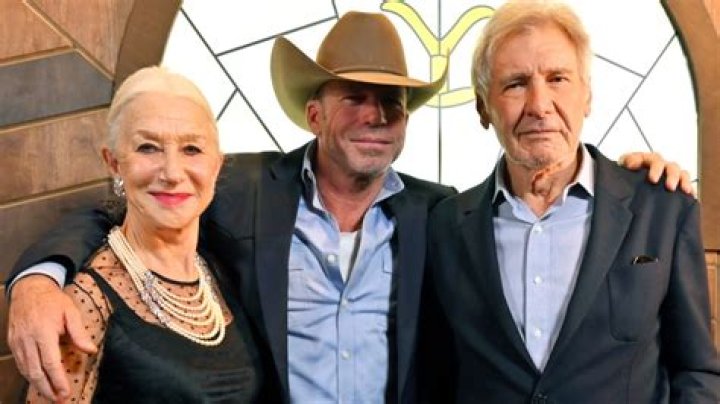
Diane Holechek is a renowned American range scientist and professor emerita at New Mexico State University. Her research focuses on grazing management and its impact on rangeland ecosystems.
Holechek's work has had a significant impact on the field of range science. She has developed innovative grazing management strategies that have helped to improve the health and productivity of rangelands around the world. She is also a strong advocate for sustainable land management practices.
Holechek has received numerous awards for her work, including the prestigious Aldo Leopold Memorial Award from The Wildlife Society. She is a Fellow of the Society for Range Management and the American Society of Agronomy.
Diane Holechek
Diane Holechek is a renowned range scientist whose work has had a significant impact on the field. Her key areas of expertise include:
- Grazing management
- Rangeland ecology
- Sustainable land management
- Fire ecology
- Climate change adaptation
- Livestock production
- Wildlife habitat management
- Ecosystem services
Holechek's research has helped to develop innovative grazing management strategies that have improved the health and productivity of rangelands around the world. She has also been a strong advocate for sustainable land management practices, and her work has helped to shape policy and management decisions at the local, regional, and national levels.
Grazing Management
Grazing management is the art and science of managing the grazing of livestock on rangelands. It involves decisions about the type and number of livestock to graze, the timing and duration of grazing, and the distribution of livestock across the landscape. Grazing management can have a significant impact on the health and productivity of rangelands, as well as on the wildlife that depend on them.
- Proper grazing management can help to:
- Increase forage production
- Improve water infiltration and storage
- Reduce soil erosion
- Enhance wildlife habitat
- Mitigate the effects of climate change
- Improper grazing management can lead to:
- Reduced forage production
- Increased soil erosion
- Degraded water quality
- Loss of wildlife habitat
- Increased vulnerability to climate change
Diane Holechek is a renowned range scientist who has dedicated her career to studying grazing management. Her work has helped to develop innovative grazing management strategies that have improved the health and productivity of rangelands around the world. Holechek is a strong advocate for sustainable land management practices, and her work has helped to shape policy and management decisions at the local, regional, and national levels.
Rangeland ecology
Rangeland ecology is the study of the interactions between plants, animals, and the environment on rangelands. Rangelands are ecosystems that are dominated by grasses and shrubs, and they are found in all parts of the world. Rangeland ecology is a complex field that draws on a variety of disciplines, including botany, zoology, ecology, and soil science.
Diane Holechek is a renowned range scientist whose work has had a significant impact on the field of rangeland ecology. Her research has focused on grazing management and its impact on rangeland ecosystems. Holechek has developed innovative grazing management strategies that have helped to improve the health and productivity of rangelands around the world.
Holechek's work has also helped to raise awareness of the importance of rangeland ecosystems. Rangelands provide a variety of ecosystem services, including forage for livestock, wildlife habitat, and carbon sequestration. Holechek's work has helped to ensure that these important ecosystems are managed sustainably for future generations.
Sustainable land management
Sustainable land management is the use of land resources in a way that meets the needs of the present without compromising the ability of future generations to meet their own needs. It involves managing land in a way that maintains its productivity, biodiversity, and resilience. Diane Holechek is a renowned range scientist whose work has had a significant impact on the field of sustainable land management.
- Grazing management
Proper grazing management is essential for sustainable land management. It can help to improve soil health, increase water infiltration and storage, reduce soil erosion, and enhance wildlife habitat. Holechek has developed innovative grazing management strategies that have been shown to improve the health and productivity of rangelands around the world.
- Fire management
Fire is a natural part of many ecosystems, but it can also be destructive if it is not managed properly. Holechek has studied the effects of fire on rangelands and developed fire management strategies that help to protect these ecosystems from wildfires. - Climate change adaptation
Climate change is already having a significant impact on rangelands around the world. Holechek is working to develop climate change adaptation strategies that will help ranchers and other land managers to adapt to the challenges of a changing climate. - Outreach and education
Holechek is a strong advocate for sustainable land management practices. She has written numerous articles and books on the subject, and she speaks at conferences and workshops. She is also a mentor to many young scientists who are working in the field of sustainable land management.
Holechek's work is helping to ensure that rangelands around the world are managed sustainably for future generations. Her research and outreach efforts are making a significant contribution to the field of sustainable land management.
Fire ecology
Fire ecology is the study of the role of fire in ecosystems. Fire is a natural part of many ecosystems, and it can play an important role in maintaining the health and productivity of these systems. However, fire can also be destructive if it is not managed properly.
Diane Holechek is a renowned range scientist whose work has had a significant impact on the field of fire ecology. She has studied the effects of fire on rangelands and developed fire management strategies that help to protect these ecosystems from wildfires.
One of the most important aspects of fire ecology is understanding the role of fire in maintaining the health of rangelands. Fire can help to remove dead vegetation, which can reduce the risk of wildfires. Fire can also help to control the growth of invasive species and promote the growth of native plants.
Holechek's work has helped to develop fire management strategies that are based on sound ecological principles. These strategies help to protect rangelands from wildfires and maintain the health and productivity of these ecosystems.
Climate change adaptation
Climate change is already having a significant impact on rangelands around the world. Rising temperatures, changes in precipitation patterns, and more frequent and intense droughts are all taking a toll on these ecosystems. As a result, ranchers and other land managers are increasingly looking for ways to adapt to the challenges of a changing climate.
Diane Holechek is a renowned range scientist whose work has had a significant impact on the field of climate change adaptation. She has developed innovative grazing management strategies that can help ranchers to adapt to the effects of climate change. For example, her research has shown that grazing during the dormant season can help to reduce soil erosion and improve water infiltration, which are both important for adapting to drought conditions.
Holechek's work is helping to ensure that rangelands around the world are managed sustainably in the face of climate change. Her research and outreach efforts are making a significant contribution to the field of climate change adaptation.
Livestock production
Livestock production is an important component of Diane Holechek's work. She has conducted extensive research on the effects of grazing on rangelands, and she has developed innovative grazing management strategies that can help ranchers to improve the productivity of their livestock while also protecting the environment.
One of Holechek's most important contributions to the field of livestock production is her work on rotational grazing. Rotational grazing is a system of grazing management in which livestock are moved from one pasture to another on a regular basis. This helps to prevent overgrazing and allows the pastures to recover. Holechek's research has shown that rotational grazing can lead to increased forage production, improved water infiltration, and reduced soil erosion.
Holechek's work has also helped to develop new grazing strategies for use in drought-prone areas. These strategies can help ranchers to maintain their livestock herds even during periods of drought. Holechek's work is making a significant contribution to the sustainability of livestock production around the world.
Wildlife habitat management
Wildlife habitat management is the practice of manipulating the environment to improve the conditions for wildlife. This can involve creating new habitats, restoring degraded habitats, or managing existing habitats to make them more productive. Wildlife habitat management is an important part of conservation, as it helps to ensure that wildlife populations have the resources they need to survive and thrive.
- Providing food and water
One of the most important aspects of wildlife habitat management is providing food and water for wildlife. This can be done by planting native plants that provide food and cover for wildlife, or by creating or restoring wetlands that provide water and habitat for aquatic wildlife.
- Creating cover
Wildlife need cover to protect themselves from predators, the elements, and human disturbance. Cover can be provided by trees, shrubs, rocks, or even tall grass. Creating cover is an important part of wildlife habitat management, as it helps to ensure that wildlife have a safe place to live and raise their young.
- Managing human disturbance
Human disturbance can have a negative impact on wildlife. Noise, light, and pollution can all stress wildlife and make it difficult for them to survive. Managing human disturbance is an important part of wildlife habitat management, as it helps to ensure that wildlife have a place to live that is free from human interference.
Diane Holechek is a renowned range scientist whose work has had a significant impact on the field of wildlife habitat management. She has developed innovative grazing management strategies that can help to improve the habitat for wildlife. For example, her research has shown that rotational grazing can help to increase the abundance and diversity of wildlife on rangelands.
Ecosystem services
Ecosystem services are the benefits that humans derive from ecosystems. These services include things like clean air and water, pollination, and carbon sequestration. Rangelands provide a variety of ecosystem services, including:
- Forage for livestock
- Wildlife habitat
- Carbon sequestration
- Water filtration
- Erosion control
Diane Holechek is a renowned range scientist whose work has focused on the management of rangelands for multiple uses, including livestock grazing and wildlife habitat. Her research has shown that proper grazing management can improve the provision of ecosystem services from rangelands. For example, her work has shown that rotational grazing can help to increase the amount of carbon stored in rangeland soils, and that it can also improve water quality.
Holechek's work is helping to ensure that rangelands continue to provide the ecosystem services that humans rely on. Her research is also helping to develop new grazing management strategies that can improve the sustainability of livestock production.
FAQs on Rangeland Management
This section addresses frequently asked questions about rangeland management, drawing upon the research and expertise of Dr. Diane Holechek, a renowned range scientist.
Question 1: How does proper grazing management benefit rangeland ecosystems?
Answer: Proper grazing management can improve forage production, increase water infiltration and storage, reduce soil erosion, enhance wildlife habitat, and mitigate the effects of climate change.
Question 2: What is rotational grazing and how does it contribute to sustainable land management?
Answer: Rotational grazing is a system where livestock are moved from one pasture to another on a regular basis. This practice helps prevent overgrazing, improves plant diversity, and enhances soil health.
Question 3: How can fire be used as a tool for rangeland management?
Answer: Controlled burns can remove dead vegetation, control invasive species, and promote the growth of native plants. However, it's crucial to implement prescribed burns carefully to avoid unintended damage to the ecosystem.
Question 4: What strategies can ranchers adopt to adapt to climate change on rangelands?
Answer: Climate change adaptation strategies include adjusting grazing seasons, implementing drought-tolerant plant species, and diversifying livestock operations to reduce climate-related risks.
Question 5: How does wildlife habitat management contribute to the overall health of rangelands?
Answer: Managing rangelands for wildlife habitat benefits both wildlife populations and the ecosystem as a whole. Diverse wildlife communities contribute to nutrient cycling, seed dispersal, and predator-prey dynamics, enhancing the stability and resilience of rangelands.
Question 6: What are the key ecosystem services provided by rangelands?
Answer: Rangelands provide essential ecosystem services such as forage for livestock, wildlife habitat, carbon sequestration, water filtration, and erosion control. Sustainable grazing management practices are vital for maintaining these services and ensuring the long-term health of rangeland ecosystems.
In conclusion, effective rangeland management requires a holistic approach that considers ecological principles, climate change adaptation, and the provision of ecosystem services. Dr. Holechek's research and expertise have significantly contributed to the development of sustainable grazing management strategies that balance the needs of livestock production, wildlife conservation, and environmental stewardship.
Transition to the next article section:
Tips for Rangeland Management by Dr. Diane Holechek
Effective rangeland management is crucial for maintaining healthy ecosystems, supporting sustainable livestock production, and mitigating climate change impacts. Here are some key tips based on the research and expertise of Dr. Diane Holechek, a renowned range scientist:
Tip 1: Implement Rotational GrazingRotational grazing involves moving livestock regularly between different pastures. This practice helps prevent overgrazing, promotes plant diversity, and improves soil health. By allowing pastures to rest and recover, rotational grazing enhances the overall productivity and resilience of rangelands.Tip 2: Control Invasive Species
Invasive species can rapidly degrade rangeland ecosystems, outcompeting native plants and reducing forage availability for livestock and wildlife. Implementing control measures, such as targeted grazing, prescribed burns, or mechanical removal, helps maintain the ecological balance and biodiversity of rangelands.Tip 3: Manage Fire as a Tool
Fire can be a valuable tool for rangeland management when used strategically. Controlled burns can remove dead vegetation, reduce fuel loads, and promote the growth of new, more nutritious plants. However, it's essential to plan and execute prescribed burns carefully to avoid unintended consequences.Tip 4: Adapt to Climate Change
Climate change is already impacting rangelands worldwide, leading to shifts in plant communities and increased frequency of extreme weather events. Ranchers and land managers need to adapt their grazing practices to these changing conditions. This may involve adjusting grazing seasons, adopting drought-tolerant plant species, or diversifying livestock operations to reduce climate-related risks.Tip 5: Consider Wildlife Habitat
Rangelands provide critical habitat for a wide range of wildlife species. Managing rangelands with wildlife in mind benefits both the animals and the ecosystem as a whole. Practices such as maintaining diverse plant communities, providing water sources, and reducing human disturbance contribute to the conservation and well-being of wildlife populations.Tip 6: Utilize Technology for Monitoring
Advanced technologies, such as remote sensing and GPS tracking, can provide valuable data for rangeland management. Monitoring vegetation cover, soil moisture, and livestock movement patterns helps ranchers make informed decisions about grazing intensity, pasture rotation, and resource allocation.
These tips, informed by Dr. Holechek's research, offer practical guidance for sustainable rangeland management. By implementing these practices, ranchers and land managers can enhance the productivity, biodiversity, and resilience of rangeland ecosystems while supporting livestock production and mitigating environmental impacts.
Transition to the article's conclusion:
Conclusion
The exploration of Diane Holechek's work and expertise underscores the significance of sustainable rangeland management practices. Her research has provided a wealth of knowledge, leading to the development of innovative grazing strategies and management techniques that promote the health and productivity of rangeland ecosystems.
As we face the challenges of climate change and increasing global demands for food production, the adoption of sustainable rangeland management practices becomes more critical. Holechek's emphasis on ecosystem services, wildlife habitat conservation, and adaptation to changing environmental conditions offers a comprehensive approach to managing these fragile landscapes.