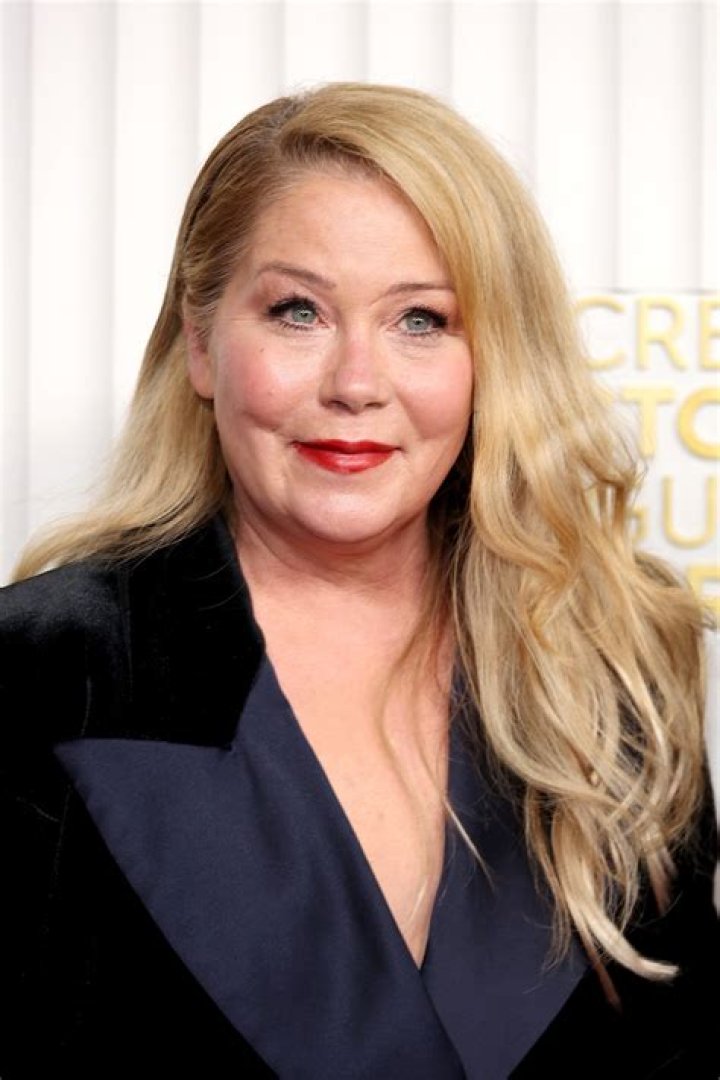
Michaela Coel's nose job refers to the cosmetic surgery procedure undergone by the British actress, writer, and director to alter the appearance of her nose. Coel has been open about her decision to have a nose job, stating that it was a personal choice made to enhance her self-confidence and improve her overall well-being.
The importance and benefits of nose jobs, also known as rhinoplasty, extend beyond aesthetic considerations. Rhinoplasty can also be performed to correct breathing difficulties, improve facial symmetry, and enhance overall facial harmony. Historically, nose jobs have been performed for centuries, with evidence of the practice dating back to ancient Egypt.
In the case of Michaela Coel, her nose job has been widely discussed in the media and has sparked conversations about the societal pressures and beauty standards that often lead individuals to consider cosmetic surgery. Coel's decision to openly share her experience with a nose job has helped to normalize the conversation around cosmetic procedures and has encouraged others to embrace their own unique identities.
Michaela Coel Nose Job
Michaela Coel's decision to undergo a nose job has sparked conversations about beauty standards, self-confidence, and the role of cosmetic surgery in society.
- Personal Choice: Coel's nose job was a personal decision to enhance her self-confidence and well-being.
- Cosmetic Procedure: Rhinoplasty, commonly known as a nose job, is a cosmetic surgery to alter the appearance of the nose.
- Aesthetic Benefits: Nose jobs can improve facial symmetry, enhance facial harmony, and boost self-esteem.
- Functional Benefits: Rhinoplasty can also address breathing difficulties and improve nasal function.
- Historical Practice: Nose jobs have been performed for centuries, dating back to ancient Egypt.
- Societal Pressures: Coel's decision highlights the societal pressures and beauty standards that influence cosmetic surgery choices.
- Media Attention: Coel's open discussion about her nose job has garnered significant media attention and public discourse.
- Normalization: Coel's experience has helped normalize conversations about cosmetic procedures and self-acceptance.
In conclusion, Michaela Coel's nose job encompasses various dimensions, from personal empowerment to societal norms. It underscores the importance of self-confidence, the role of cosmetic surgery in addressing both aesthetic and functional concerns, and the ongoing dialogue about beauty standards and self-acceptance.
Personal Choice
Michaela Coel's decision to undergo a nose job highlights the importance of personal choice in shaping one's self-image and overall well-being. Cosmetic surgery, including rhinoplasty, is a deeply personal decision that should be made based on individual desires and goals, rather than external pressures or societal expectations.
Coel's openness about her nose job has sparked important conversations about the role of cosmetic surgery in promoting self-acceptance and confidence. Her experience resonates with many individuals who may have considered cosmetic procedures to address insecurities or enhance their physical appearance. Coel's journey encourages others to prioritize their own well-being and make choices that align with their self-perceptions and values.
The connection between personal choice and Michaela Coel's nose job underscores the multifaceted nature of cosmetic surgery. It is not merely about altering one's physical appearance but also about empowering individuals to make decisions that enhance their self-confidence and overall well-being. Coel's story serves as a reminder that cosmetic procedures should be considered in the context of personal empowerment and self-acceptance.
Cosmetic Procedure
Rhinoplasty, commonly known as a nose job, is a cosmetic procedure that involves altering the shape and structure of the nose to enhance its appearance. In the case of Michaela Coel's nose job, this procedure was part of her personal journey to improve her self-confidence and overall well-being. Rhinoplasty can address various concerns, including the size, shape, and proportion of the nose, as well as improve breathing difficulties.
The connection between cosmetic procedures such as rhinoplasty and individuals' personal journeys is significant. For many, cosmetic surgery is not solely about altering one's physical appearance but also about addressing underlying insecurities and enhancing self-esteem. Coel's decision to undergo a nose job highlights the role of cosmetic procedures in empowering individuals to make choices that positively impact their self-perception and well-being.
Understanding the connection between cosmetic procedures and personal journeys allows us to recognize the multifaceted nature of these choices. Cosmetic surgery should not be viewed solely as a means to conform to societal beauty standards but rather as a potential tool for individuals to address personal concerns and enhance their self-confidence. Michaela Coel's experience serves as a reminder that cosmetic procedures can be part of a broader journey of self-acceptance and empowerment.
Aesthetic Benefits
In the context of "Michaela Coel's nose job," the aesthetic benefits of rhinoplasty played a significant role in her personal journey. Nose jobs can improve facial symmetry, enhance facial harmony, and boost self-esteem, all of which contributed to Coel's increased confidence and overall well-being.
- Improved Facial Symmetry: Rhinoplasty can correct asymmetries in the nose, such as a crooked bridge or uneven nostrils, resulting in a more balanced and harmonious facial appearance. Enhanced facial symmetry can boost self-confidence and contribute to a more positive self-image.
- Enhanced Facial Harmony: Nose jobs can be tailored to enhance the overall harmony of the face. By altering the size, shape, and projection of the nose, rhinoplasty can create a more aesthetically pleasing balance among facial features, leading to increased self-esteem and a greater sense of facial attractiveness.
- Boosted Self-Esteem: The aesthetic benefits of nose jobs can have a profound impact on self-esteem. When individuals are satisfied with the appearance of their nose, they tend to feel more confident and positive about themselves. This boost in self-esteem can extend to other areas of life, enhancing overall well-being and happiness.
The aesthetic benefits of nose jobs, as exemplified by Michaela Coel's personal experience, highlight the role of cosmetic surgery in addressing both physical and emotional concerns. Rhinoplasty can empower individuals to enhance their facial appearance, boost their self-confidence, and ultimately live more fulfilling lives.
Functional Benefits
In the context of "Michaela Coel's nose job," the functional benefits of rhinoplasty also played a significant role in her personal journey. Beyond aesthetic enhancements, nose jobs can address breathing difficulties and improve nasal function, contributing to overall health and well-being.
- Improved Breathing: Rhinoplasty can correct structural issues in the nose that obstruct breathing, such as a deviated septum or enlarged turbinates. By improving airflow, rhinoplasty can alleviate breathing difficulties, reduce snoring, and enhance overall respiratory function.
- Reduced Sinus Infections: Rhinoplasty can address underlying anatomical problems that contribute to recurrent sinus infections. By improving drainage and ventilation of the sinuses, nose jobs can reduce the frequency and severity of sinus infections, improving overall health and quality of life.
- Enhanced Nasal Function: Rhinoplasty can improve the overall function of the nose, including its ability to filter, warm, and humidify inhaled air. This can benefit individuals with allergies or respiratory conditions, enhancing their overall health and well-being.
The functional benefits of nose jobs, as exemplified by Michaela Coel's personal experience, underscore the multifaceted nature of rhinoplasty. It can not only enhance facial aesthetics but also address underlying health concerns, contributing to improved breathing, reduced sinus infections, and enhanced nasal function. These functional benefits can have a profound impact on overall quality of life and well-being.
Historical Practice
The historical practice of nose jobs provides a valuable context for understanding Michaela Coel's nose job and its significance. Rhinoplasty, the surgical procedure to alter the nose's appearance and function, has a rich history rooted in ancient Egypt.
Evidence suggests that nose jobs were performed in ancient Egypt as early as 3000 BC. Surgical instruments and mummies withhave been discovered, indicating that rhinoplasty was practiced for both medical and cosmetic reasons. The Edwin Smith Papyrus, an ancient Egyptian medical text, contains descriptions of nasal surgeries to treat injuries and improve breathing.
Throughout history, nose jobs have evolved in techniques and purposes. In ancient India, rhinoplasty was practiced for reconstructive purposes, particularly to repair noses damaged in battle or as punishment for crimes. In the 16th century, Italian surgeons developed new techniques for rhinoplasty, focusing on both functional and aesthetic improvements.
The historical practice of nose jobs is significant in understanding Michaela Coel's nose job because it highlights the long-standing cultural and medical importance of rhinoplasty. Nose jobs have been performed for centuries to address both functional and aesthetic concerns, demonstrating the enduring desire to enhance facial appearance and improve nasal function.
Furthermore, the historical practice of nose jobs provides insights into the evolution of surgical techniques and the changing societal attitudes towards cosmetic surgery. Coel's decision to undergo a nose job can be seen as part of a larger historical trajectory, reflecting the ongoing pursuit of facial harmony and self-improvement.
Societal Pressures
The decision by Michaela Coel to undergo rhinoplasty, commonly known as a nose job, has brought to light the significant influence of societal pressures and beauty standards on cosmetic surgery choices. This exploration delves into the various facets of this connection, examining their role, real-life examples, and implications.
- Cultural Ideals of Beauty
Societal norms often define narrow and idealized standards of beauty, influencing individuals' perceptions of their own appearance. These ideals can create a sense of inadequacy or dissatisfaction, leading some to consider cosmetic surgery as a means of conforming to societal expectations.
- Media and Social Media Influence
The media and social media platforms constantly bombard individuals with images of people who conform to societal beauty standards. This constant exposure can reinforce these ideals and create a sense of pressure to achieve a similar appearance, potentially driving individuals towards cosmetic surgery.
- Peer Influence and Social Acceptance
Individuals may also be influenced by the choices and experiences of their peers or social circles. If cosmetic surgery is prevalent within a particular group, it can create a sense of normalcy or acceptance, making it more likely for individuals to consider it for themselves.
- Personal Insecurities and Self-Esteem
Societal pressures and beauty standards can contribute to personal insecurities and low self-esteem. Individuals may feel that their appearance does not meet societal expectations, leading them to seek cosmetic surgery as a way to improve their self-perception and boost their confidence.
In the context of "Michaela Coel's nose job," these societal pressures and beauty standards played a role in her decision to undergo rhinoplasty. Coel has spoken openly about her experiences with insecurity and her desire to feel more confident in her appearance. Her decision to undergo cosmetic surgery highlights the complex interplay between personal choices and the influence of societal factors.
Media Attention
Michaela Coel's decision to openly discuss her nose job has sparked a significant amount of media attention and public discourse. This exploration delves into the connection between "Media Attention" and "Michaela Coel's nose job," examining the various facets of this relationship, including its role, implications, and broader societal impact.
- Increased Visibility and Awareness
Coel's open discussion about her nose job has brought increased visibility and awareness to the topic of cosmetic surgery. By sharing her personal experiences, she has helped to normalize conversations about cosmetic procedures and their impact on individuals' lives.
- Challenging Societal Norms
Coel's decision to speak openly about her nose job has challenged societal norms and beauty standards. By sharing her own journey of self-acceptance and empowerment, she has encouraged others to embrace their unique identities and question societal pressures to conform to narrow beauty ideals.
- Empowering Others to Share Their Stories
Coel's openness has empowered others to share their own stories and experiences with cosmetic surgery. This has created a sense of community and support among individuals who may have previously felt isolated or ashamed about their choices.
- Sparking Dialogue About Mental Health and Body Image
Coel's discussion about her nose job has sparked important conversations about mental health and body image. By sharing her own struggles with insecurity and self-acceptance, she has helped to break down stigmas and encourage others to seek help if they are struggling with similar issues.
In conclusion, the media attention surrounding Michaela Coel's nose job has played a significant role in raising awareness about cosmetic surgery, challenging societal norms, empowering others to share their stories, and sparking dialogue about mental health and body image. Coel's openness and courage have made a positive impact on the way we view and discuss cosmetic surgery and its implications for individuals and society as a whole.
Normalization
Michaela Coel's open discussion about her nose job has played a significant role in normalizing conversations about cosmetic procedures and self-acceptance. By sharing her personal experiences, Coel has helped to break down the stigma associated with cosmetic surgery and has encouraged others to embrace their own unique identities.
Prior to Coel's decision to speak out about her nose job, discussions about cosmetic surgery were often shrouded in secrecy and shame. Individuals who underwent cosmetic procedures often felt pressured to keep their choices private, fearing judgment or ridicule from others. Coel's openness has challenged these societal norms and has created a more accepting environment for individuals considering cosmetic surgery.
The normalization of conversations about cosmetic procedures has far-reaching implications. It allows individuals to make informed decisions about their bodies without fear of stigma or shame. It also helps to reduce the pressure on individuals to conform to narrow beauty ideals and promotes a more positive and accepting view of body diversity.
In conclusion, Michaela Coel's experience has been instrumental in normalizing conversations about cosmetic procedures and self-acceptance. By sharing her own journey, she has empowered others to embrace their own unique identities and has challenged societal norms that perpetuate unrealistic beauty standards. The normalization of these conversations has positive implications for individuals considering cosmetic surgery and for society as a whole, as it promotes a more accepting and inclusive view of body diversity.
FAQs
This section addresses frequently asked questions (FAQs) related to "Michaela Coel's nose job," providing informative answers to common concerns or misconceptions.
Question 1: What motivated Michaela Coel to get a nose job?
Answer: Coel's decision to undergo rhinoplasty was a personal choice driven by her desire to enhance her self-confidence and overall well-being.
Question 2: What are the potential benefits of nose jobs?
Answer: Nose jobs can offer both aesthetic and functional benefits, including improved facial symmetry, enhanced facial harmony, boosted self-esteem, improved breathing, reduced sinus infections, and enhanced nasal function.
Question 3: Are nose jobs safe and effective?
Answer: Nose jobs are generally safe and effective when performed by qualified and experienced surgeons. However, as with any surgical procedure, there are potential risks and side effects that should be carefully considered.
Question 4: How long does it take to recover from a nose job?
Answer: Recovery time from a nose job varies depending on the individual and the extent of the procedure. Typically, patients can expect some swelling and bruising for the first few weeks, with most of the swelling subsiding within a few months.
Question 5: Can nose jobs be revised if I'm not satisfied with the results?
Answer: In some cases, nose jobs can be revised to address concerns or improve the results. However, it's important to have realistic expectations and understand that revision rhinoplasty may not always be able to achieve desired outcomes.
Question 6: How can I find a qualified and experienced surgeon for a nose job?
Answer: It is essential to thoroughly research and consult with multiple board-certified plastic surgeons to find a qualified and experienced surgeon who can provide personalized advice and guidance.
Summary: Michaela Coel's decision to undergo a nose job was a personal choice motivated by her desire to enhance her self-confidence and well-being. Nose jobs can provide both aesthetic and functional benefits but should be carefully considered and performed by qualified surgeons. Recovery time varies, and revision rhinoplasty may be an option if necessary. Finding a qualified and experienced surgeon is crucial for achieving desired outcomes and ensuring a safe and successful procedure.
Transition to the next article section: This concludes the FAQs section on "Michaela Coel's nose job." For further information or personalized advice, it is highly recommended to consult with a qualified and experienced plastic surgeon.
Tips on Considering a Nose Job
Considering a nose job requires careful evaluation and thoughtful decision-making. Here are some key tips to guide you through this process:
Tip 1: Identify Your Goals and Expectations
Clearly define your reasons for considering a nose job and the specific outcomes you hope to achieve. This will help you communicate your goals effectively to your surgeon and ensure realistic expectations.
Tip 2: Choose a Qualified and Experienced Surgeon
Research and consult with multiple board-certified plastic surgeons who specialize in rhinoplasty. Look for surgeons with a proven track record, positive patient testimonials, and a deep understanding of facial anatomy.
Tip 3: Be Open and Honest during Consultations
During consultations with potential surgeons, openly discuss your concerns, goals, and medical history. Share any previous surgeries or medical conditions that may impact the procedure.
Tip 4: Understand the Recovery Process
Rhinoplasty involves a recovery period with some swelling and bruising. Be prepared for the post-operative care instructions and follow them diligently to minimize risks and optimize healing.
Tip 5: Consider the Long-Term Implications
A nose job is a permanent alteration to your facial structure. Carefully weigh the potential benefits and risks, considering how the changes may impact your appearance and self-perception in the long run.
Summary:
Approaching a nose job with informed decision-making is crucial. Clearly define your goals, choose a qualified surgeon, be open during consultations, understand the recovery process, and consider the long-term implications. By following these tips, you can increase the likelihood of a successful and satisfying outcome.
Note: It's important to keep in mind that the information provided here is general in nature and should not be taken as a substitute for professional medical advice. Always consult with a qualified plastic surgeon for personalized guidance and to address any specific concerns or questions you may have.
Conclusion
The exploration of "Michaela Coel's nose job" reveals the multifaceted nature of cosmetic surgery and its impact on personal journeys, societal norms, and self-acceptance. Coel's decision to undergo rhinoplasty underscores the importance of individual choice and empowerment in shaping one's self-image and well-being.
Beyond the personal narratives, this article highlights the functional benefits of nose jobs, their historical practice, and the influence of societal pressures and beauty standards. It also emphasizes the significance of media attention and its role in normalizing conversations about cosmetic procedures and self-acceptance.
Uncover The Secrets: Tony Hinchcliffe's Private Paradise
Unlock The Secrets: Brock Lesnar's Net Worth Unveiled
Unveiling Tony Hinchcliffe's Marital Status: Hidden Truths Revealed
Michaela Coel's Plastic Surgery Fans Love The I May Destroy You Star's
Michelle Obama Nose Job
I May Destroy You's Michaela Coel Talks Arabella's 'Symbolic' Hair