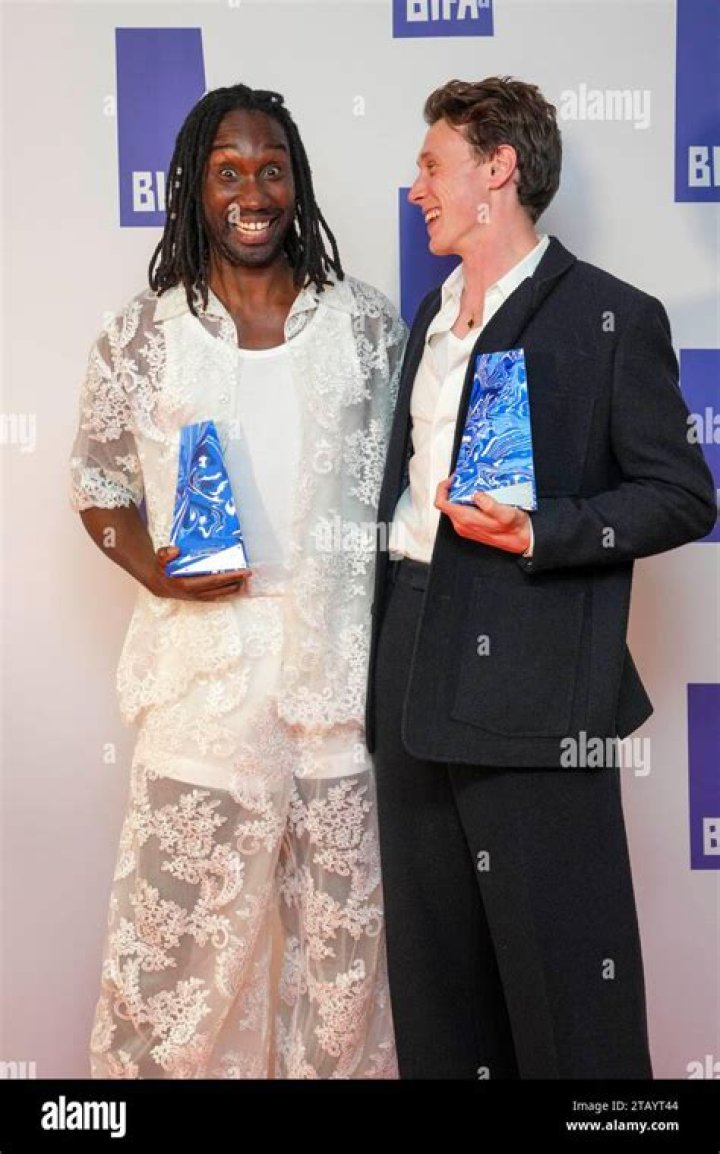
Patrick Dai is a renowned contemporary artist known for his captivating and thought-provoking sculptures and installations. His works often explore themes of identity, memory, and the human condition, inviting viewers to engage with their own experiences and emotions.
Dai's distinctive style combines traditional Chinese techniques with Western contemporary art practices. His sculptures frequently incorporate found objects, personal artifacts, and natural materials, imbuing them with a sense of history and cultural significance. Through his immersive installations, Dai creates environments that envelop viewers, stimulating their senses and challenging their perceptions.
Dai's work has been exhibited extensively in prestigious galleries and museums worldwide. His contributions to the art world have garnered critical acclaim, earning him numerous awards and accolades. Dai's sculptures and installations continue to captivate audiences, inspiring reflection and dialogue on the complexities of human existence.
Patrick Dai
Patrick Dai's captivating sculptures and installations explore the human condition through the lens of identity, memory, and cultural heritage.
- Found Objects: Dai incorporates everyday objects into his work, imbuing them with personal and cultural significance.
- Immersive Installations: Dai's installations envelop viewers, creating sensory experiences that challenge perceptions.
- Cross-Cultural Influences: His work blends traditional Chinese techniques with Western contemporary art practices.
- Exploration of Identity: Dai's sculptures often reflect on the complexities of personal and cultural identity.
- Memory and Nostalgia: His works evoke memories and emotions, inviting viewers to reflect on their own experiences.
- Cultural Heritage: Dai's installations often explore the cultural heritage of his Chinese ancestry.
- Critical Acclaim: Dai's work has garnered international recognition and numerous awards.
- Global Exhibitions: His sculptures and installations have been exhibited in prestigious galleries and museums worldwide.
- Inspiration and Reflection: Dai's work inspires contemplation, dialogue, and a deeper understanding of the human condition.
Dai's unique style and thought-provoking themes have made him a significant figure in the contemporary art world. Through his immersive installations and evocative sculptures, he challenges viewers to explore their own identities, memories, and cultural connections.
Found Objects
Patrick Dai's use of found objects is a defining characteristic of his artistic practice. By incorporating everyday items into his sculptures and installations, Dai imbues them with personal and cultural significance, inviting viewers to contemplate the hidden narratives and emotions embedded within ordinary objects.
- Personal Histories: Dai's found objects often carry traces of their previous owners, evoking memories and personal stories. For example, in his sculpture "Family Album," Dai incorporates old family photographs, imbuing the work with a sense of nostalgia and familial connection.
- Cultural Heritage: Dai also uses found objects to explore his Chinese cultural heritage. In his installation "Tea Ceremony," Dai incorporates traditional Chinese teacups and teapots, creating an immersive environment that evokes the cultural significance of tea in Chinese society.
- Symbolism and Metaphor: Dai's found objects often serve as symbols and metaphors, representing broader concepts and emotions. For example, in his sculpture "The Weight of Memory," Dai uses heavy metal chains to symbolize the burdens of the past and the weight of memory.
- Transformation and Reinterpretation: By incorporating found objects into his work, Dai transforms their original purpose and meaning, giving them new life and significance. This process of transformation invites viewers to reconsider the value and potential of everyday objects.
Dai's use of found objects not only adds a layer of personal and cultural significance to his work but also challenges viewers to look beyond the surface of ordinary objects. Through his evocative and thought-provoking installations, Dai encourages us to appreciate the hidden stories, emotions, and cultural connections that surround us in our everyday lives.
Immersive Installations
Patrick Dai's immersive installations are a defining aspect of his artistic practice, allowing him to create powerful and thought-provoking experiences for viewers. By enveloping viewers in sensory environments, Dai challenges their perceptions and invites them to engage with his work on a deeply personal level.
One key element of Dai's immersive installations is his use of light and shadow. In works such as "Labyrinth of Shadows" and "Whispers of Light," Dai creates intricate patterns of light and shadow that dance across the walls and floor, creating a sense of mystery and disorientation. This play of light and shadow disrupts viewers' visual expectations, forcing them to question their surroundings and their own perceptions.
Another important aspect of Dai's immersive installations is his use of sound. In works such as "Sonic Memories" and "Echoes of the Past," Dai incorporates soundscapes and musical compositions that create a rich and evocative atmosphere. These soundscapes often incorporate natural sounds, such as the rustling of leaves or the lapping of waves, which help to create a sense of place and evoke specific emotions and memories in viewers.
By combining light, shadow, and sound, Dai's immersive installations create multisensory experiences that engage viewers on a visceral level. These installations challenge viewers to let go of their preconceptions and to experience the world in a new and unfamiliar way. Through these immersive environments, Dai invites viewers to reflect on their own perceptions, memories, and emotions, fostering a deeper understanding of the human condition.
Cross-Cultural Influences
Patrick Dai's work is characterized by a unique blend of traditional Chinese techniques and Western contemporary art practices. This cross-cultural influence is a defining aspect of his artistic style and contributes to the depth and complexity of his work.
Dai draws inspiration from his Chinese heritage, incorporating elements of traditional Chinese calligraphy, painting, and sculpture into his contemporary works. By combining these traditional techniques with Western art practices, such as installation, performance, and video, Dai creates a distinctive visual language that transcends cultural boundaries.
One of the key ways in which Dai incorporates cross-cultural influences is through the use of materials. He often employs traditional Chinese materials, such as rice paper, ink, and silk, alongside Western materials, such as metal, glass, and found objects. This combination of materials creates a textural and visual richness that adds depth and meaning to his work.
Another important aspect of Dai's cross-cultural influences is his exploration of identity and cultural heritage. Through his work, Dai examines the complexities of his own bicultural identity, as well as the broader themes of cultural exchange and globalization. His sculptures and installations often juxtapose traditional Chinese symbols and motifs with contemporary Western imagery, inviting viewers to reflect on the evolving nature of culture and identity in the modern world.
Patrick Dai's unique blend of traditional Chinese techniques and Western contemporary art practices has earned him international recognition and acclaim. His work has been exhibited in prestigious galleries and museums worldwide, and he has received numerous awards for his contributions to the art world. Dai's cross-cultural influences continue to inspire and challenge viewers, offering a unique perspective on the human condition and the interconnectedness of cultures.
Exploration of Identity
Patrick Dai's exploration of identity is a central theme in his artistic practice. His sculptures and installations often grapple with the complexities of personal and cultural identity, inviting viewers to reflect on their own sense of self and their place in the world.
As a bicultural artist, Dai draws from both his Chinese heritage and his Western upbringing to create works that explore the nuances of cultural identity. His sculptures often juxtapose traditional Chinese symbols and motifs with contemporary Western imagery, challenging viewers to question their own assumptions about culture and identity.
For example, in his sculpture "Cultural Fusion," Dai combines a traditional Chinese calligraphy brush with a Western paintbrush, creating a hybrid object that symbolizes the blending of Eastern and Western cultures. Similarly, in his installation "Echoes of Memory," Dai incorporates fragments of Chinese porcelain alongside Western found objects, evoking a sense of cultural displacement and the fragmented nature of memory.
Through his exploration of identity, Dai encourages viewers to embrace the complexities of their own identities and to challenge societal norms and expectations. His work invites us to question our assumptions about culture, race, and nationality, and to celebrate the richness and diversity of human experience.
Memory and Nostalgia
Patrick Dai's exploration of memory and nostalgia is a defining characteristic of his artistic practice. His works often evoke a sense of longing and remembrance, inviting viewers to reflect on their own personal histories and emotional experiences.
One of the ways in which Dai incorporates memory and nostalgia into his work is through the use of found objects. By incorporating everyday items that carry traces of their previous owners, Dai imbues his sculptures and installations with a sense of personal history and emotional resonance. For example, in his sculpture "Family Album," Dai incorporates old family photographs, evoking a sense of nostalgia and familial connection.
Another important aspect of Dai's exploration of memory and nostalgia is his use of traditional Chinese techniques and motifs. By drawing inspiration from his Chinese heritage, Dai connects his work to a rich cultural history and evokes a sense of collective memory. For example, in his installation "Tea Ceremony," Dai incorporates traditional Chinese teacups and teapots, creating an immersive environment that evokes the cultural significance of tea in Chinese society and invites viewers to reflect on their own cultural traditions.
Through his exploration of memory and nostalgia, Dai encourages viewers to engage with their own personal histories and cultural identities. His work provides a space for reflection and contemplation, inviting viewers to connect with their own emotions and experiences and to appreciate the richness and diversity of human memory.
Cultural Heritage
Patrick Dai's exploration of cultural heritage is deeply rooted in his Chinese ancestry. His installations often draw inspiration from traditional Chinese art forms, symbols, and rituals, inviting viewers to engage with the richness and diversity of Chinese culture.
- Traditional Techniques: Dai incorporates traditional Chinese techniques, such as calligraphy, ink painting, and paper cutting, into his contemporary installations. This blending of traditional and contemporary elements creates a unique visual language that bridges the past and the present.
- Cultural Symbolism: Dai's installations often incorporate cultural symbols and motifs that are deeply rooted in Chinese history and tradition. For example, his work "Dragon's Breath" features a large-scale dragon sculpture, a mythical creature that holds significant cultural significance in Chinese mythology.
- Personal Narratives: Dai's exploration of cultural heritage is also deeply personal. His installations often incorporate objects and materials that hold personal significance, connecting his own experiences and memories to the broader cultural context.
- Collective Identity: Through his exploration of cultural heritage, Dai invites viewers to reflect on their own cultural identities and traditions. His installations foster a sense of collective identity and belonging, reminding viewers of the shared cultural experiences that connect them.
By exploring the cultural heritage of his Chinese ancestry, Patrick Dai creates installations that resonate with both personal and collective experiences. His work celebrates the richness and diversity of Chinese culture while also encouraging viewers to reflect on their own cultural roots and traditions.
Critical Acclaim
Patrick Dai's critical acclaim is a testament to the exceptional quality and impact of his artistic practice. His work has garnered international recognition and numerous prestigious awards, solidifying his position as a leading contemporary artist of our time.
- Global Recognition: Dai's work has been exhibited in renowned galleries and museums around the world, showcasing his international reach and influence. His sculptures and installations have captivated audiences from diverse cultural backgrounds, crossing linguistic and geographical boundaries.
- Prestigious Awards: Dai has been honored with prestigious awards, including the prestigious Joan Mitchell Foundation Award and the Guggenheim Fellowship. These accolades recognize the originality, innovation, and significance of his artistic contributions.
- Critical Praise: Dai's work has garnered critical praise from art experts, curators, and reviewers. His ability to evoke emotions, challenge perceptions, and provoke thought has earned him widespread acclaim within the art world.
- Inspiration and Influence: Dai's critical acclaim serves as an inspiration to emerging artists and continues to influence contemporary art practices. His unique style and thought-provoking themes have left a lasting impact on the art world.
Patrick Dai's critical acclaim is not only a recognition of his artistic achievements but also a reflection of the profound impact his work has had on the art world and beyond. His sculptures and installations continue to captivate audiences, inspire creativity, and contribute to the ongoing dialogue on the human condition.
Global Exhibitions
Patrick Dai's global exhibitions are a testament to the exceptional quality and significance of his artistic practice. His sculptures and installations have captivated audiences across the globe, transcending cultural and geographical boundaries.
- International Recognition: Dai's exhibitions in prestigious galleries and museums worldwide have garnered international recognition and acclaim. His work has been showcased in renowned institutions such as the Museum of Modern Art in New York, the Tate Modern in London, and the Centre Pompidou in Paris, solidifying his position as a leading contemporary artist.
- Cultural Exchange: Dai's global exhibitions facilitate cultural exchange and dialogue. By exhibiting his work in diverse cultural contexts, Dai exposes audiences to new perspectives and challenges their perceptions. His installations often explore universal themes that resonate with people from all walks of life.
- Cross-Cultural Influences: Dai's global exhibitions contribute to the cross-pollination of ideas and artistic practices. By engaging with audiences from different cultures, Dai absorbs diverse influences and incorporates them into his work, enriching the tapestry of contemporary art.
- Artistic Legacy: Dai's global exhibitions leave a lasting legacy in the art world. His installations often become landmarks in the cities where they are exhibited, inspiring future generations of artists and shaping the cultural landscape.
Patrick Dai's global exhibitions are not merely displays of artistic prowess but also platforms for cultural exchange, cross-pollination of ideas, and the establishment of an enduring artistic legacy.
Inspiration and Reflection
Patrick Dai's work transcends the boundaries of mere aesthetics, delving into the depths of human existence and inviting viewers to embark on a journey of introspection and reflection. Through his evocative sculptures and immersive installations, Dai provokes contemplation, stimulates dialogue, and fosters a profound understanding of the complexities of the human condition.
The essence of Dai's artistic practice lies in his ability to capture universal emotions and experiences, translating them into tangible forms that resonate with audiences on a visceral level. His works often explore themes of identity, memory, cultural heritage, and the human search for meaning. By engaging with Dai's art, viewers are prompted to confront their own experiences, question societal norms, and delve into the intricacies of human nature.
The practical significance of understanding the connection between "Inspiration and Reflection: Dai's work inspires contemplation, dialogue, and a deeper understanding of the human condition." and "patrick dai" lies in its potential to enhance empathy, foster inclusivity, and promote cross-cultural dialogue. Dai's work transcends cultural and geographical boundaries, appealing to a global audience that can relate to the universal human experiences he portrays. Through his art, Dai encourages viewers to embrace diversity, challenge stereotypes, and recognize the shared humanity that binds us all.
Frequently Asked Questions about Patrick Dai
This FAQ section addresses common questions and misconceptions surrounding Patrick Dai and his artistic practice.
Question 1: What is the significance of found objects in Patrick Dai's work?Dai incorporates everyday objects into his sculptures and installations, imbuing them with personal and cultural significance. These found objects often carry traces of their previous owners, evoking memories and personal stories. Dai's use of found objects challenges viewers to look beyond the surface of ordinary objects and to appreciate the hidden narratives and emotions embedded within them.
Question 2: How does Dai's Chinese heritage influence his artistic style?Dai draws inspiration from his Chinese heritage, incorporating elements of traditional Chinese calligraphy, painting, and sculpture into his contemporary works. By combining these traditional techniques with Western art practices, Dai creates a distinctive visual language that transcends cultural boundaries. His work often explores themes of cultural identity and heritage, inviting viewers to reflect on the complexities of cultural exchange and globalization.
Question 3: What are the key themes explored in Dai's work?Dai's work often grapples with the complexities of personal and cultural identity, memory, nostalgia, and the human search for meaning. Through his sculptures and installations, Dai explores the nuances of bicultural identity, the fragmented nature of memory, and the universal human experiences that connect us all. His work invites viewers to reflect on their own experiences, question societal norms, and delve into the intricacies of human nature.
Question 4: What is the purpose of Dai's immersive installations?Dai's immersive installations envelop viewers in sensory environments, challenging their perceptions and inviting them to engage with his work on a deeply personal level. Through the use of light, shadow, sound, and other sensory elements, Dai creates multisensory experiences that disorient and provoke contemplation. These installations encourage viewers to let go of preconceptions and to experience the world in a new and unfamiliar way, fostering a deeper understanding of the human condition.
Question 5: How has Dai's work been received by the art world?Dai's work has garnered international recognition and critical acclaim. He has been honored with prestigious awards, including the Joan Mitchell Foundation Award and the Guggenheim Fellowship. His sculptures and installations have been exhibited in renowned galleries and museums worldwide, solidifying his position as a leading contemporary artist. Dai's work continues to captivate audiences, inspire creativity, and contribute to the ongoing dialogue on the human condition.
In summary, Patrick Dai's artistic practice is characterized by its unique blend of traditional Chinese techniques and Western contemporary art practices. His work explores universal themes of identity, memory, and the human condition, inviting viewers to engage in contemplation, dialogue, and a deeper understanding of themselves and the world around them.
Transition to the next article section...
Tips from Patrick Dai's Artistic Practice
Renowned contemporary artist Patrick Dai's unique approach to sculpture and installation art offers valuable insights that can inspire creativity, encourage introspection, and foster a deeper understanding of the human condition.
Tip 1: Embrace the Power of Found Objects
Incorporate everyday objects into your artistic creations to imbue them with personal and cultural significance. These objects carry hidden narratives and emotions that can add depth and resonance to your work.
Tip 2: Explore the Interplay of Traditional and Contemporary
Don't be afraid to blend traditional techniques with contemporary art practices. This cross-pollination can create a distinctive visual language that transcends cultural boundaries and appeals to a wider audience.
Tip 3: Delve into the Depths of Identity
Use art as a means to explore your own identity and cultural heritage. Examine the complexities of biculturalism, the fragmented nature of memory, and the universal human experiences that connect us all.
Tip 4: Create Immersive Sensory Experiences
Design installations that envelop viewers in sensory environments. Use light, shadow, sound, and other elements to disorient and provoke contemplation, encouraging viewers to experience the world in a new and unfamiliar way.
Tip 5: Embrace Critical Reflection
Engage with critical feedback and analysis to refine your artistic practice. Seek constructive criticism from trusted sources and use it as an opportunity to grow and evolve as an artist.
Incorporating these tips inspired by Patrick Dai's artistic practice can help you develop a more meaningful and impactful approach to your own creative endeavors.
Transition to the article's conclusion...
Conclusion
Patrick Dai's artistic practice is a testament to the power of art to explore the complexities of human existence. Through his evocative sculptures and immersive installations, Dai invites viewers to engage in contemplation, dialogue, and a deeper understanding of themselves and the world around them.
Dai's unique blend of traditional Chinese techniques and Western contemporary art practices creates a distinctive visual language that transcends cultural boundaries. His work challenges viewers to look beyond the surface of ordinary objects, to confront their own experiences, and to delve into the intricacies of human nature. By embracing the power of found objects, exploring the interplay of traditional and contemporary, and creating immersive sensory experiences, Dai inspires creativity and encourages a deeper understanding of the human condition.
Unveiling The Age Of Lori Matsuoka: Discoveries And Insights
Unveiling The Private Life Of A Media Powerhouse: Who Is Tucker Carlson's Wife?
Unveiling The Enduring Bond: Exploring "Jordan Loves Sisters"
Qtum's Patrick Dai Named to Forbes' '30 Under 30' List Newswire
Who Is Patrick Dai? Cornell University Student Arrested for Threatening