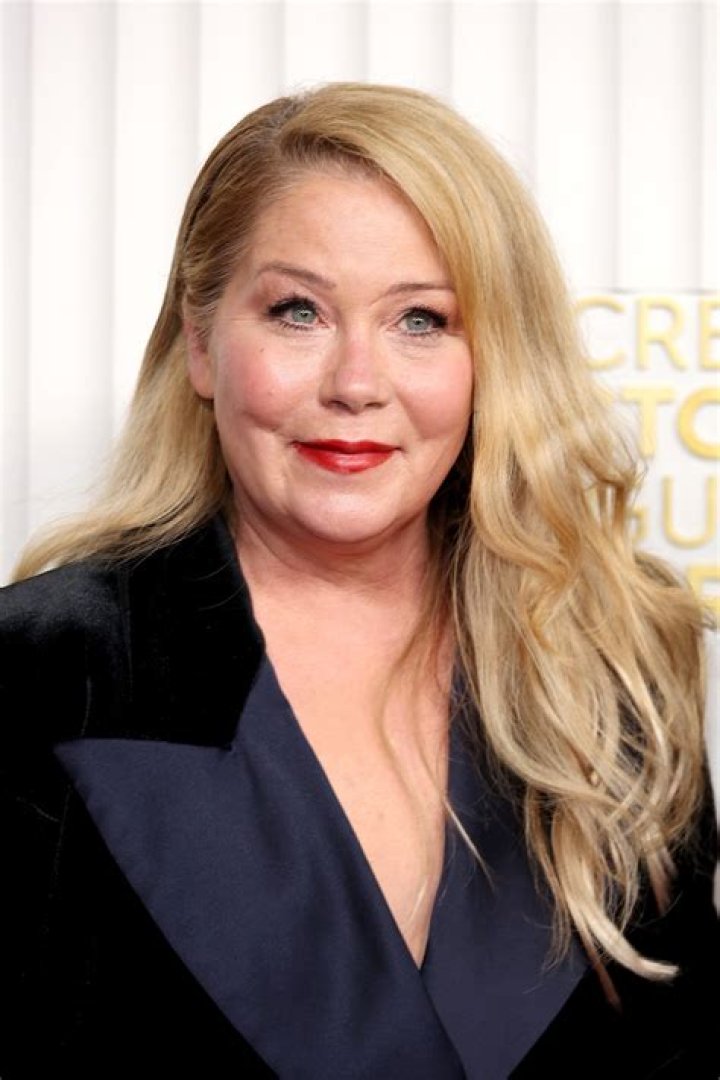
Caitlin Patterson is an American artist who explores the relationship between the human body and the natural world. Her work often features large-scale installations that invite viewers to interact with their environment in new and unexpected ways.
Patterson's work has been featured in museums and galleries around the world, and she has received numerous awards for her innovative approach to art. Her work has been praised for its beauty, its environmental message, and its ability to create a sense of wonder in viewers.
In her most famous work, "Suspended Forest," Patterson created an immersive environment in which visitors could walk through a forest of suspended trees. The trees were made of recycled materials, and the installation was designed to raise awareness of the importance of protecting the environment.
Caitlin Patterson
Caitlin Patterson is an American artist whose work explores the relationship between the human body and the natural world. Her work is often characterized by its use of large-scale installations that invite viewers to interact with their environment in new and unexpected ways.
- Environmentalism: Patterson's work often addresses environmental issues, such as climate change and deforestation.
- Immersion: Patterson's installations are often immersive, allowing viewers to experience her work with their whole bodies.
- Interactivity: Patterson's work often encourages viewers to interact with it, either by touching, moving, or walking through it.
- Scale: Patterson's work is often large-scale, creating a sense of awe and wonder in viewers.
- Site-specificity: Patterson's work is often created in response to the specific site where it is installed.
- Collaboration: Patterson often collaborates with other artists, scientists, and community members to create her work.
- Education: Patterson's work is often educational, teaching viewers about environmental issues and the importance of protecting the natural world.
- Beauty: Patterson's work is often praised for its beauty, which helps to draw viewers in and engage with her message.
These eight key aspects of Caitlin Patterson's work are all interconnected and contribute to her unique and powerful artistic vision. Her work is a call to action, urging us to protect the natural world and to live in harmony with it.
Environmentalism
Caitlin Patterson's work is deeply connected to environmentalism. She uses her art to raise awareness about environmental issues, such as climate change and deforestation, and to inspire people to take action to protect the planet.
One of Patterson's most famous works is "Suspended Forest," a large-scale installation that was created for the 2010 Venice Biennale. The installation consisted of a forest of suspended trees, made from recycled materials. Visitors were able to walk through the forest, and the experience was designed to raise awareness about the importance of protecting forests.
Patterson's work is not only beautiful, but it is also effective in raising awareness about environmental issues. Her work has been featured in museums and galleries around the world, and it has been praised by critics and viewers alike. Patterson's work is a powerful reminder that we all have a responsibility to protect the planet.
Here are some of the ways that Patterson's work connects to environmentalism:
- Her work raises awareness about environmental issues, such as climate change and deforestation.
- Her work inspires people to take action to protect the planet.
- Her work is created using sustainable materials and practices.
- Her work is often installed in natural settings, which helps to connect viewers with the environment.
Patterson's work is an important contribution to the environmental movement. Her work helps to raise awareness about environmental issues, inspires people to take action, and creates a sense of connection between people and the natural world.
Immersion
Caitlin Patterson's installations are often immersive, allowing viewers to experience her work with their whole bodies. This immersion is a key aspect of Patterson's work, as it allows viewers to connect with her work on a deeper level.
- Physicality: Patterson's installations often require viewers to use their bodies to interact with them. This can involve walking through them, touching them, or even moving them. This physicality helps to create a sense of connection between the viewer and the work.
- Sensory: Patterson's installations often engage multiple senses, including sight, sound, and touch. This sensory experience helps to create a more immersive environment for the viewer.
- Emotional: Patterson's installations often evoke strong emotions in viewers. This can be due to the beauty of the work, the environmental message it conveys, or the personal memories it triggers. These emotions help to create a lasting connection between the viewer and the work.
The immersion that Patterson's installations create is a powerful tool for conveying her message. This immersion allows viewers to experience her work on a personal level, which can lead to a deeper understanding of the environmental issues she addresses.
Interactivity
Interactivity is a key component of Caitlin Patterson's work. She believes that art should be experienced with the whole body, not just the eyes. By encouraging viewers to interact with her work, Patterson creates a more immersive and engaging experience.
In her work "Suspended Forest," for example, viewers are invited to walk through a forest of suspended trees. The trees are made from recycled materials, and the installation is designed to raise awareness about the importance of protecting forests. By walking through the forest, viewers are able to experience the beauty of the trees and learn about the environmental message that Patterson is conveying.
Interactivity is also an important aspect of Patterson's work because it allows viewers to connect with their own bodies and the environment around them. In her work "Field," for example, viewers are invited to lie down in a field of flowers. The flowers are made from recycled materials, and the installation is designed to create a sense of peace and tranquility. By lying down in the field, viewers are able to relax and connect with the natural world.
The interactivity of Patterson's work is a powerful tool for conveying her message. By encouraging viewers to interact with her work, Patterson creates a more immersive and engaging experience. This experience allows viewers to connect with the environmental issues that Patterson addresses and to learn more about themselves and the world around them.
Scale
Caitlin Patterson's work is often characterized by its large scale. This scale is not simply a matter of size, but also of ambition. Patterson's work is often immersive, inviting viewers to enter into her installations and experience them with their whole bodies. This scale creates a sense of awe and wonder in viewers, drawing them into Patterson's world and encouraging them to reflect on the environmental issues she addresses.
For example, Patterson's work "Suspended Forest" is a large-scale installation that consists of a forest of suspended trees. The trees are made from recycled materials, and the installation is designed to raise awareness about the importance of protecting forests. The scale of the installation is impressive, and it creates a sense of awe and wonder in viewers. This awe and wonder encourages viewers to think about the environmental message that Patterson is conveying.
The scale of Patterson's work is also important because it allows her to create immersive experiences for viewers. In her work "Field," for example, viewers are invited to lie down in a field of flowers. The flowers are made from recycled materials, and the installation is designed to create a sense of peace and tranquility. The scale of the installation is immersive, and it allows viewers to relax and connect with the natural world.
The scale of Caitlin Patterson's work is an important component of her artistic vision. It allows her to create immersive experiences for viewers and to convey her environmental message in a powerful and effective way.
Site-specificity
Site-specificity is an important aspect of Caitlin Patterson's work. She believes that art should be created in response to the specific site where it will be installed. This allows her to create work that is unique and meaningful to each location.
For example, Patterson's work "Suspended Forest" was created for the Venice Biennale in 2010. The installation consisted of a forest of suspended trees, made from recycled materials. The trees were suspended from the ceiling of the Arsenale, a former shipyard in Venice. The scale of the installation was impressive, and it created a sense of awe and wonder in viewers. The work was also a commentary on the environmental impact of deforestation.
Patterson's site-specific work is often inspired by the history and culture of the location where it is installed. For example, her work "Field" was created for the Yorkshire Sculpture Park in England. The installation consisted of a field of flowers, made from recycled materials. The flowers were arranged in the shape of the Yorkshire Rose, the symbol of Yorkshire.
Site-specificity is an important component of Caitlin Patterson's work. It allows her to create work that is unique and meaningful to each location. Her site-specific work often addresses environmental issues and the history and culture of the location where it is installed.
Collaboration
Caitlin Patterson's collaborative approach to art-making is a key aspect of her creative process. She believes that collaboration can lead to more innovative and meaningful work. Patterson has collaborated with a wide range of people, including artists, scientists, architects, and community members.
- Community Engagement
Patterson often works with community members to create her work. This allows her to connect with the local community and to create work that is relevant to the specific site where it is installed.
- Interdisciplinary Collaboration
Patterson also collaborates with people from other disciplines, such as scientists and architects. This allows her to bring new perspectives and expertise to her work.
- Shared Vision
Patterson's collaborations are often based on a shared vision. She looks for collaborators who are passionate about the same issues that she is. This shared vision helps to ensure that the collaboration is successful.
- Mutual Respect
Patterson treats her collaborators with respect and values their input. She believes that collaboration is a two-way street. This mutual respect helps to create a positive and productive working environment.
Patterson's collaborative approach to art-making has resulted in a body of work that is both innovative and meaningful. Her work has been praised for its beauty, its environmental message, and its ability to create a sense of community. Patterson's work is a testament to the power of collaboration.
Education
Caitlin Patterson's work is often educational, teaching viewers about environmental issues and the importance of protecting the natural world. This is an important aspect of her work, as it allows her to raise awareness about environmental issues and inspire people to take action. Patterson's educational work is often interactive and engaging, allowing viewers to learn about environmental issues in a fun and memorable way.
For example, Patterson's work "Suspended Forest" is an immersive installation that teaches viewers about the importance of forests. The installation consists of a forest of suspended trees, made from recycled materials. Visitors are able to walk through the forest, and the experience teaches them about the environmental impact of deforestation.
Patterson's work is also educational because it often addresses the history and culture of the location where it is installed. For example, her work "Field" was created for the Yorkshire Sculpture Park in England. The installation consists of a field of flowers, made from recycled materials. The flowers are arranged in the shape of the Yorkshire Rose, the symbol of Yorkshire.
Patterson's educational work is important because it helps to raise awareness about environmental issues and inspire people to take action. Her work is also important because it often addresses the history and culture of the location where it is installed.
Beauty
Caitlin Patterson's work is often praised for its beauty. This beauty is not simply a matter of aesthetics, but also of meaning. Patterson's work is beautiful because it is connected to the natural world and to the human experience. This beauty draws viewers in and engages them with her message about the importance of protecting the environment.
For example, Patterson's work "Suspended Forest" is a beautiful installation that consists of a forest of suspended trees. The trees are made from recycled materials, and the installation is designed to raise awareness about the importance of protecting forests. The beauty of the installation draws viewers in and encourages them to think about the environmental message that Patterson is conveying.
The beauty of Patterson's work is also important because it helps to create a sense of wonder and awe in viewers. This sense of wonder and awe can lead to a deeper understanding of the natural world and to a greater appreciation for the importance of protecting it.
The beauty of Caitlin Patterson's work is an important component of her artistic vision. It helps to draw viewers in and engage with her message about the importance of protecting the environment. The beauty of her work also creates a sense of wonder and awe, which can lead to a deeper understanding of the natural world.
Frequently Asked Questions about Caitlin Patterson
Here are some frequently asked questions about Caitlin Patterson, an American artist whose work explores the relationship between the human body and the natural world.
Question 1: What is the main focus of Caitlin Patterson's work?
Answer: Caitlin Patterson's work focuses on the relationship between the human body and the natural world. She often creates large-scale installations that invite viewers to interact with their environment in new and unexpected ways.
Question 2: What materials does Caitlin Patterson use in her work?
Answer: Caitlin Patterson uses a variety of materials in her work, including recycled materials, natural materials, and found objects. She often uses these materials to create immersive installations that explore the relationship between humans and the environment.
Question 3: Where has Caitlin Patterson's work been exhibited?
Answer: Caitlin Patterson's work has been exhibited in museums and galleries around the world, including the Museum of Modern Art in New York City, the Tate Modern in London, and the Centre Pompidou in Paris.
Question 4: What awards has Caitlin Patterson received for her work?
Answer: Caitlin Patterson has received numerous awards for her work, including the Guggenheim Fellowship, the Joan Mitchell Foundation Grant, and the Artadia Award.
Question 5: What is the environmental message in Caitlin Patterson's work?
Answer: Caitlin Patterson's work often addresses environmental issues, such as climate change and deforestation. She uses her art to raise awareness about the importance of protecting the environment and to inspire people to take action.
Question 6: How can I learn more about Caitlin Patterson's work?
Answer: You can learn more about Caitlin Patterson's work by visiting her website, following her on social media, or visiting a museum or gallery that exhibits her work.
In conclusion, Caitlin Patterson is an important artist who is using her work to raise awareness about environmental issues and to inspire people to take action. Her work is beautiful, immersive, and thought-provoking, and it is sure to leave a lasting impression on viewers.
Tips from Caitlin Patterson's Work
Caitlin Patterson's work offers valuable insights into the relationship between the human body and the natural world. Her immersive installations invite viewers to interact with their environment in new and unexpected ways, raising awareness about environmental issues and inspiring action.
Tip 1: Embrace Interactivity
Patterson's work encourages active participation, allowing viewers to touch, move, and walk through her installations. This interactivity fosters a deeper connection with the artwork and the environmental message it conveys.
Tip 2: Consider Scale and Immersion
Patterson's large-scale installations create a sense of awe and wonder, drawing viewers into her artistic world. By immersing viewers in her work, she enhances their sensory experience and encourages contemplation.
Tip 3: Explore Site-Specificity
Patterson's work often responds to the unique characteristics of its installation site. By considering the history, culture, and environment of a location, artists can create meaningful connections between their work and its surroundings.
Tip 4: Collaborate and Engage
Patterson collaborates with scientists, architects, and community members to bring diverse perspectives to her work. Engaging with others fosters innovation and strengthens the impact of her message.
Tip 5: Highlight Beauty and Aesthetics
Patterson's installations are visually captivating, drawing viewers in with their beauty. By combining aesthetics with environmentalism, she makes her message more accessible and appealing to a wider audience.
Tip 6: Foster Education and Awareness
Patterson's work serves as an educational tool, raising awareness about environmental issues and inspiring viewers to become advocates for change. Her installations provide opportunities for learning and reflection.
By incorporating these tips into their own work, artists can create immersive and engaging experiences that resonate with viewers on multiple levels, fostering a deeper appreciation for the natural world and inspiring action to protect it.
Conclusion
Caitlin Patterson's artistic vision invites us to reconsider our relationship with the natural world. Through immersive installations, she fosters a profound understanding of environmental issues, inspiring action and stewardship.
Patterson's work transcends its physical form, becoming a catalyst for dialogue, education, and collective responsibility. Her commitment to collaboration, site-specificity, and aesthetic beauty ensures that her message resonates with diverse audiences, leaving a lasting impact on our perception of the environment and our role within it.
Unveiling The Enchanting World Of Mirae Paris: Discoveries Await
Uncover The Charm And Savor Of Old Barn Wineries
Unveiling Vincent McGowan: Unlocking Mobile Marketing Mastery