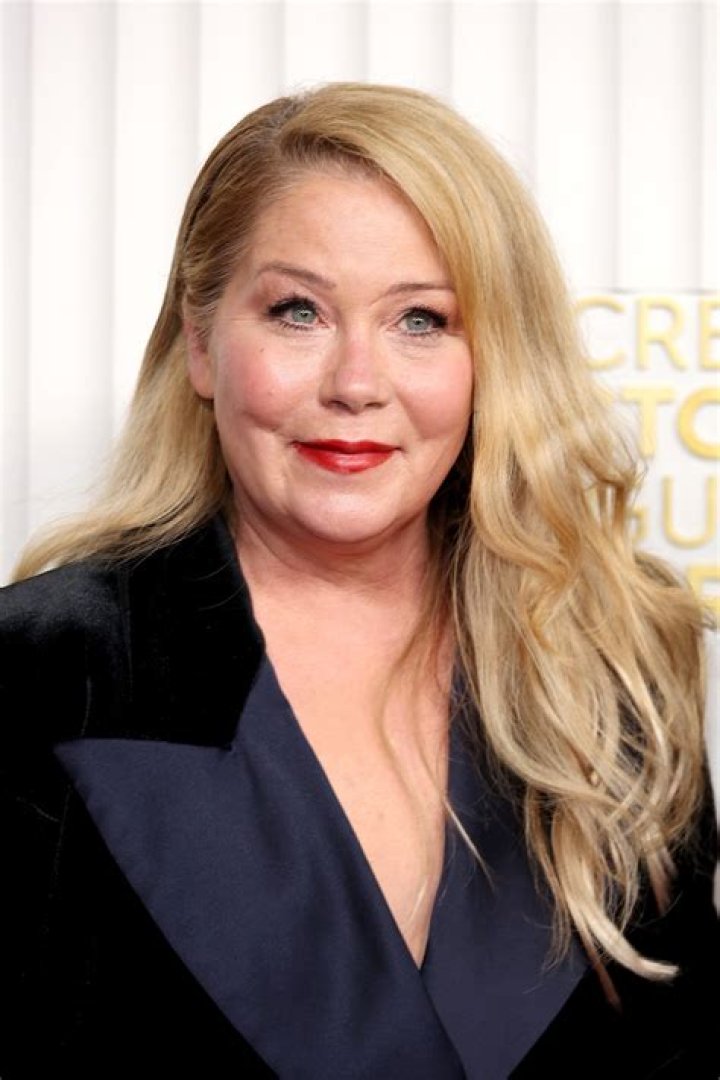
Ekaterina Moreva is a Russian artist known for her striking and thought-provoking sculptures and installations that explore themes of identity, memory, and the human condition.
Moreva's work has been exhibited in galleries and museums around the world, and she has received numerous awards for her contributions to contemporary art. Her work is often characterized by its use of everyday objects and materials, which she transforms into powerful and evocative works of art.
Moreva's art has been praised for its ability to capture the complexities of the human experience. Her work is often deeply personal, drawing on her own experiences and memories. However, her work also resonates with a broader audience, as it speaks to universal themes of identity, loss, and hope.
Ekaterina Moreva
Ekaterina Moreva is a Russian artist known for her striking and thought-provoking sculptures and installations that explore themes of identity, memory, and the human condition.
- Identity: Moreva's work often explores the complex and fluid nature of identity, both personal and collective.
- Memory: Moreva's work often draws on personal and collective memories, exploring how they shape our present and future.
- Human condition: Moreva's work speaks to the universal human condition, exploring themes of love, loss, hope, and despair.
- Everyday objects: Moreva's work often incorporates everyday objects and materials, transforming them into powerful and evocative works of art.
- Sculpture: Moreva is a sculptor, and her work often explores the possibilities and limitations of the medium.
- Installation: Moreva also creates installations, which often involve the use of light, sound, and other elements to create immersive and multisensory experiences.
- Awards: Moreva has received numerous awards for her contributions to contemporary art, including the prestigious Kandinsky Prize.
- Exhibitions: Moreva's work has been exhibited in galleries and museums around the world, including the Tate Modern in London and the Museum of Modern Art in New York.
- Recognition: Moreva is recognized as one of the most important and influential artists of her generation.
- Inspiration: Moreva's work has inspired other artists and scholars, and has been the subject of numerous exhibitions and publications.
These key aspects of Ekaterina Moreva's work come together to create a powerful and moving body of art that speaks to the human experience in all its complexity and beauty.
Identity
Ekaterina Moreva's work often explores the complex and fluid nature of identity, both personal and collective. She does this through a variety of means, including the use of everyday objects and materials, the exploration of personal and collective memories, and the creation of immersive and multisensory installations.
- Personal identity: Moreva's work often explores the complex and fluid nature of personal identity. She does this through the use of everyday objects and materials, which she transforms into powerful and evocative works of art. For example, in her work "Self-Portrait as a Tree," Moreva uses a tree to represent her own personal identity. The tree is a powerful symbol of strength and resilience, and it also represents the cyclical nature of life.
- Collective identity: Moreva's work also explores the complex and fluid nature of collective identity. She does this through the exploration of personal and collective memories. For example, in her work "The Memory of War," Moreva uses personal and collective memories of the war to create a powerful and moving work of art. The work is a reminder of the horrors of war, and it also speaks to the resilience of the human spirit.
Moreva's work is a powerful and moving exploration of the complex and fluid nature of identity, both personal and collective. Her work is a reminder that identity is not fixed, but rather is something that is constantly evolving and changing.
Memory
Ekaterina Moreva's work often draws on personal and collective memories, exploring how they shape our present and future. She does this through a variety of means, including the use of everyday objects and materials, the exploration of personal and collective memories, and the creation of immersive and multisensory installations.
- Personal memories: Moreva's work often draws on personal memories, exploring how they shape our present and future. She does this through the use of everyday objects and materials, which she transforms into powerful and evocative works of art. For example, in her work "Self-Portrait as a Tree," Moreva uses a tree to represent her own personal memories. The tree is a powerful symbol of strength and resilience, and it also represents the cyclical nature of life.
- Collective memories: Moreva's work also draws on collective memories, exploring how they shape our present and future. She does this through the exploration of personal and collective memories. For example, in her work "The Memory of War," Moreva uses personal and collective memories of the war to create a powerful and moving work of art. The work is a reminder of the horrors of war, and it also speaks to the resilience of the human spirit.
Moreva's work is a powerful and moving exploration of how memories, both personal and collective, shape our present and future. Her work is a reminder that memories are not fixed, but rather are something that is constantly evolving and changing.
Human condition
Ekaterina Moreva's work speaks to the universal human condition, exploring themes of love, loss, hope, and despair. This is evident in her use of everyday objects and materials, her exploration of personal and collective memories, and her creation of immersive and multisensory installations.
Moreva's work is often deeply personal, drawing on her own experiences and memories. However, her work also resonates with a broader audience, as it speaks to universal themes of the human condition. For example, her work "The Memory of War" explores the horrors of war and the resilience of the human spirit. This work is a powerful reminder of the human capacity for both great evil and great good.
Moreva's work is a valuable contribution to our understanding of the human condition. Her work is a reminder that we are all connected, and that we all share the same hopes, dreams, and fears. Her work is also a reminder that even in the darkest of times, there is always hope.
Everyday objects
Ekaterina Moreva's use of everyday objects and materials is a key component of her artistic practice. By transforming everyday objects into works of art, Moreva challenges our perceptions of the ordinary and invites us to see the extraordinary in the mundane.
Moreva's use of everyday objects also has a practical significance. By using materials that are readily available and accessible, she makes her work more relatable and inclusive. Her work is not limited to the elite or the wealthy; it is accessible to everyone, regardless of their background or socioeconomic status.
Moreva's use of everyday objects is also a way of connecting with her audience on a personal level. By using objects that are familiar to us all, she creates a sense of intimacy and connection. Her work invites us to reflect on our own lives and experiences, and to see the beauty and poetry in the everyday.
Sculpture
Ekaterina Moreva is a sculptor whose work explores the possibilities and limitations of the medium. She uses a variety of materials, including metal, wood, and fabric, to create sculptures that are both visually striking and conceptually challenging.
- Form and Function: Moreva's sculptures often explore the relationship between form and function. She creates sculptures that are both visually appealing and functional. For example, her work "Tree of Life" is a beautiful and functional sculpture that can be used as a lamp.
- Positive and Negative Space: Moreva's sculptures also explore the relationship between positive and negative space. She creates sculptures that use positive space to create a sense of volume and mass, and negative space to create a sense of lightness and airiness. For example, her work "Cloud" is a sculpture that uses positive and negative space to create a sense of movement and fluidity.
- Materiality: Moreva's sculptures also explore the materiality of the medium. She uses different materials to create different effects. For example, she uses metal to create sculptures that are strong and durable, and wood to create sculptures that are warm and inviting.
- Scale: Moreva's sculptures also explore the scale of the medium. She creates sculptures that are both large and small. For example, her work "Monument" is a large-scale sculpture that dominates the space it occupies, while her work "miniature" is a small-scale sculpture that can be held in the hand.
Moreva's work is a valuable contribution to the field of sculpture. Her work is innovative and challenging, and it pushes the boundaries of the medium. She is a talented artist who is sure to continue to make significant contributions to the art world.
Installation
Ekaterina Moreva's installations are immersive and multisensory experiences that explore the relationship between the viewer and the artwork. She uses a variety of materials, including light, sound, and found objects, to create installations that are both visually and conceptually engaging.
Moreva's installations often explore the themes of identity, memory, and the human condition. For example, her installation "The Memory of War" uses light and sound to create an immersive experience that explores the horrors of war and the resilience of the human spirit. Another installation, "Self-Portrait as a Tree," uses found objects to create a self-portrait that explores the complex and fluid nature of identity.
Moreva's installations are a valuable contribution to the field of contemporary art. Her work is innovative and challenging, and it pushes the boundaries of the medium. She is a talented artist who is sure to continue to make significant contributions to the art world.
Awards
Ekaterina Moreva has received numerous awards for her contributions to contemporary art, including the prestigious Kandinsky Prize. This recognition is a testament to her talent and dedication to her craft.
- Recognition of Excellence
Moreva's awards are a recognition of her excellence in the field of contemporary art. Her work has been praised for its originality, creativity, and technical skill. Her awards are a testament to her status as one of the leading artists of her generation. - Inspiration for Others
Moreva's awards are an inspiration to other artists, both emerging and established. Her success shows that it is possible to achieve great things through hard work and dedication. Her awards are a reminder that the arts are a vital part of our society. - Support for the Arts
Moreva's awards are a form of support for the arts. Her success helps to raise the profile of contemporary art and to encourage people to engage with the arts. Her awards are a reminder that the arts are a valuable part of our culture. - International Recognition
Moreva's awards have brought her international recognition. Her work is now exhibited in galleries and museums around the world. Her awards are a testament to her global impact as an artist.
Ekaterina Moreva's awards are a testament to her talent, dedication, and impact as an artist. Her success is an inspiration to others and a reminder that the arts are a vital part of our society.
Exhibitions
Ekaterina Moreva's work has been exhibited in galleries and museums around the world, including the Tate Modern in London and the Museum of Modern Art in New York. This is a significant achievement, as it demonstrates the high regard in which her work is held by the international art community.
There are several reasons why Moreva's work has been so widely exhibited. First, her work is of exceptional quality. She is a highly skilled artist who creates visually striking and conceptually challenging work. Second, Moreva's work is relevant to contemporary issues. She explores themes such as identity, memory, and the human condition in her work, which resonate with audiences around the world.
The fact that Moreva's work has been exhibited in such prestigious institutions as the Tate Modern and the Museum of Modern Art has had a positive impact on her career. It has helped to raise her profile and to attract attention to her work. As a result, Moreva has been able to reach a wider audience and to have a greater impact on the art world.
Recognition
Ekaterina Moreva's recognition as one of the most important and influential artists of her generation is a testament to her exceptional talent and dedication to her craft. Her work has been exhibited in prestigious galleries and museums around the world, and she has received numerous awards for her contributions to contemporary art, including the prestigious Kandinsky Prize.
Moreva's recognition has had a significant impact on her career. It has helped to raise her profile and to attract attention to her work. As a result, she has been able to reach a wider audience and to have a greater impact on the art world. Moreva's recognition is also important because it helps to raise the profile of contemporary art as a whole. It shows that contemporary art is a vital and dynamic part of our culture.
Moreva's recognition is a source of inspiration for other artists, both emerging and established. It shows that it is possible to achieve great things through hard work and dedication. Moreva's recognition is also a reminder that the arts are a vital part of our society. They can help us to understand the world around us and to make sense of our own experiences.
Inspiration
Ekaterina Moreva's work has been a source of inspiration for other artists and scholars, and has been the subject of numerous exhibitions and publications. This is a testament to the quality and significance of her work.
- Influence on other artists: Moreva's work has inspired other artists to explore new ideas and techniques. Her use of everyday objects and materials, her exploration of personal and collective memories, and her creation of immersive and multisensory installations have all been influential in the development of contemporary art.
- Influence on scholars: Moreva's work has also been the subject of numerous scholarly articles and books. Scholars have explored the various themes and concepts in her work, and have used her work to shed light on broader issues in contemporary art and culture.
- Exhibitions and publications: Moreva's work has been exhibited in galleries and museums around the world, and has been featured in numerous publications. This exposure has helped to raise her profile and to attract attention to her work.
The inspiration that Moreva's work has provided to other artists and scholars is a testament to her importance as an artist. Her work is not only visually striking and conceptually challenging, but it is also thought-provoking and inspiring. Moreva's work is sure to continue to inspire and influence artists and scholars for many years to come.
Frequently Asked Questions about Ekaterina Moreva
This section provides answers to some of the most frequently asked questions about Ekaterina Moreva, her work, and her impact on contemporary art.
Question 1: Who is Ekaterina Moreva?
Ekaterina Moreva is a Russian artist known for her striking and thought-provoking sculptures and installations that explore themes of identity, memory, and the human condition.
Question 2: What is the significance of Ekaterina Moreva's work?
Moreva's work is significant because it challenges conventional notions of art and explores important contemporary issues. Her use of everyday objects and materials, her exploration of personal and collective memories, and her creation of immersive and multisensory installations have all been influential in the development of contemporary art.
Question 3: What are the key themes in Ekaterina Moreva's work?
The key themes in Moreva's work include identity, memory, and the human condition. She explores these themes through a variety of means, including the use of everyday objects and materials, the exploration of personal and collective memories, and the creation of immersive and multisensory installations.
Question 4: What is the impact of Ekaterina Moreva's work?
Moreva's work has had a significant impact on contemporary art. She has inspired other artists to explore new ideas and techniques, and her work has been the subject of numerous exhibitions and publications. Moreva's work has also been used to shed light on broader issues in contemporary art and culture.
Question 5: Where can I see Ekaterina Moreva's work?
Moreva's work has been exhibited in galleries and museums around the world. You can find a list of her upcoming exhibitions on her website.
Question 6: How can I learn more about Ekaterina Moreva?
You can learn more about Moreva and her work by visiting her website, reading articles about her work, or attending one of her exhibitions.
Summary: Ekaterina Moreva is a significant contemporary artist whose work explores important themes such as identity, memory, and the human condition. Her work has been influential in the development of contemporary art and has been exhibited in galleries and museums around the world.
Transition to the next article section: Moreva's work is a valuable contribution to contemporary art, and she is sure to continue to inspire and influence artists and scholars for many years to come.
Tips by Ekaterina Moreva
The following are some tips by Ekaterina Moreva, a renowned artist known for her thought-provoking sculptures and installations that explore themes of identity, memory, and the human condition:
Tip 1: Embrace the Power of Everyday Objects
Moreva's work often incorporates everyday objects and materials, transforming them into powerful and evocative works of art. She believes that everyday objects have a hidden beauty and significance that can be revealed through the creative process.
Tip 2: Explore the Depths of Memory
Memory is a central theme in Moreva's work. She encourages artists to explore the depths of their own memories, both personal and collective, as a source of inspiration and connection.
Tip 3: Create Immersive and Multisensory Installations
Moreva's installations often involve the use of light, sound, and other elements to create immersive and multisensory experiences for viewers. She believes that art should engage all of the senses, not just the visual.
Tip 4: Challenge Conventional Notions of Art
Moreva's work often challenges conventional notions of art. She encourages artists to experiment with new materials, techniques, and concepts to push the boundaries of artistic expression.
Tip 5: Find Inspiration in the Human Condition
Moreva believes that the human condition is a rich source of inspiration for artists. She encourages artists to explore the universal themes of love, loss, hope, and despair in their work.
Summary: Ekaterina Moreva's tips offer valuable insights for artists of all levels. By embracing everyday objects, exploring memory, creating immersive installations, challenging conventions, and finding inspiration in the human condition, artists can create powerful and meaningful works of art.
Transition to the article's conclusion: Moreva's work is a testament to the power of art to explore complex and important issues. Her tips can help artists to create work that is both visually striking and conceptually challenging.
Conclusion
Ekaterina Moreva is a groundbreaking artist whose work explores the complexities of identity, memory, and the human condition. Through her innovative use of everyday objects, immersive installations, and exploration of personal and collective memories, Moreva challenges conventional notions of art and invites viewers to engage with the world in new and thought-provoking ways.
Moreva's work serves as a reminder of the power of art to transcend boundaries and connect us to our shared experiences. Her unique perspective and commitment to knstlerische Forschung (artistic research) continue to inspire and influence contemporary artists around the globe.
Unveiling The Secrets Of Culver Bradbury Lacrosse: Discoveries And Insights
Unveiling The Multifaceted Nikki Margiotta: Discoveries And Insights
Unveiling The Enigmatic World Of Mallory Rockwell: Discoveries And Insights