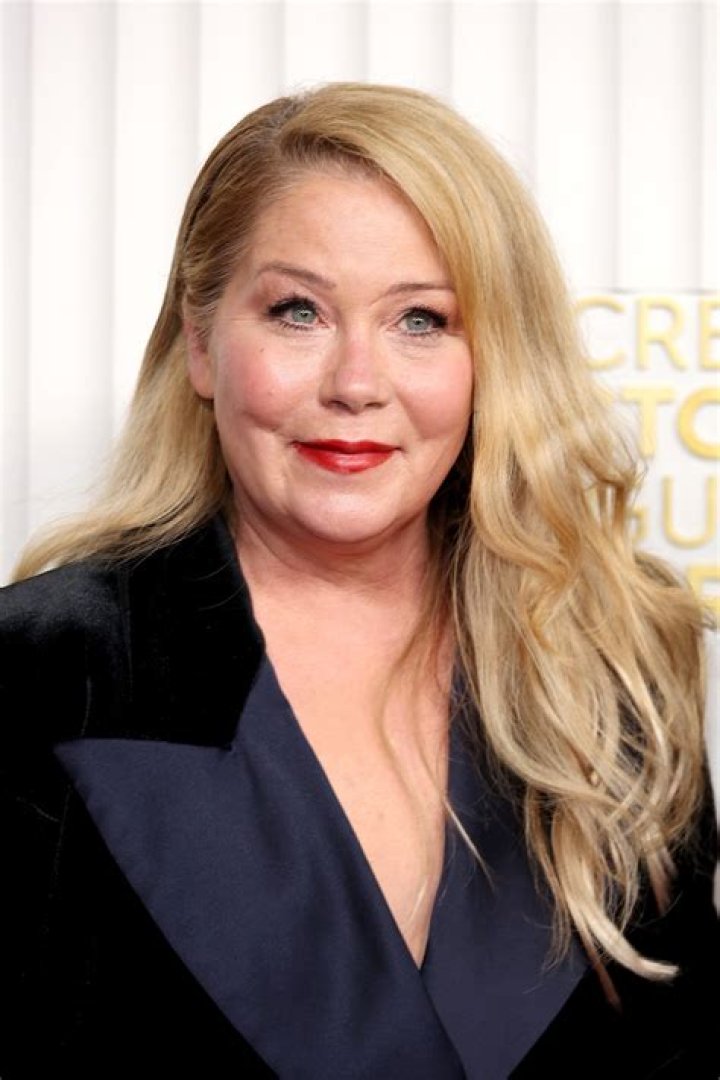
"White Lizzo" is a term used to describe a white woman who is perceived to be similar to the popular singer Lizzo in terms of her body type and style.
The term has been used in a positive way to celebrate body diversity and to challenge traditional beauty standards. However, it has also been used in a negative way to criticize white women who are perceived to be appropriating black culture.
The term "white Lizzo" is a complex and nuanced one. It can be used to celebrate diversity and challenge traditional beauty standards, but it can also be used to criticize white women who are perceived to be appropriating black culture. Ultimately, the meaning of the term is up to the individual who uses it.
white lizzo
As a term, "white Lizzo" explores the multifaceted intersections of race, body positivity, and cultural appropriation. Its key aspects include:
- Body diversity
- Challenging beauty standards
- Cultural appropriation
- Representation
- Social media
- Body politics
- Race and identity
- Intersectionality
The term "white Lizzo" highlights the complex and evolving nature of these aspects. It prompts discussions on the representation of diverse body types in media, the challenges faced by marginalized communities in achieving body positivity, and the ethical implications of cultural appropriation. The term also underscores the power of social media in shaping cultural narratives and the importance of intersectionality in understanding the experiences of women of color.
Body diversity
Body diversity refers to the range of human body shapes and sizes. It is a challenge to traditional beauty standards that emphasize thinness and a specific body type. Body diversity advocates for the acceptance and celebration of all bodies, regardless of size, shape, or ability.
The term "white Lizzo" is often used to describe white women who are plus-size and confident in their bodies. These women are challenging traditional beauty standards and promoting body diversity. They are also using their platforms to speak out against fatphobia and discrimination.
"White Lizzo" is an important term because it helps to challenge the idea that only thin, white women are beautiful. It also helps to raise awareness of the challenges that plus-size women face. By promoting body diversity, "white Lizzo" is helping to create a more inclusive and accepting world.
Challenging beauty standards
The term "white Lizzo" has become a symbol of the challenge to traditional beauty standards. Lizzo is a plus-size black woman who is known for her confidence and body positivity. She has used her platform to speak out against fatphobia and discrimination. By doing so, she has helped to change the way that people view plus-size women.
- Representation
Lizzo is one of the few plus-size women who is represented in the media. Her visibility is important because it helps to challenge the idea that only thin women are beautiful. It also helps to raise awareness of the challenges that plus-size women face.
- Body positivity
Lizzo is a vocal advocate for body positivity. She has spoken out against fatphobia and discrimination. She has also used her platform to promote self-love and acceptance. Lizzo's message is important because it helps to challenge the idea that there is only one way to be beautiful.
- Inclusivity
Lizzo's message of body positivity is inclusive. She does not just advocate for plus-size women. She advocates for all women, regardless of their size, shape, or ability. Lizzo's message is important because it helps to create a more inclusive and accepting world.
- Intersectionality
Lizzo is a black woman. Her experience as a plus-size black woman is unique. She faces discrimination and prejudice based on both her size and her race. Lizzo's message is important because it highlights the intersectionality of oppression. It also shows how different forms of oppression can work together to create a unique set of challenges.
Lizzo is a role model for many people. She is a reminder that beauty is not defined by size. She is also a reminder that everyone deserves to be treated with respect and dignity.
Cultural appropriation
Cultural appropriation refers to the adoption or use of elements of one culture by members of another culture, often without the original culture's consent. In the context of "white Lizzo," cultural appropriation can be seen in the adoption of black culture by white women, particularly in terms of fashion, music, and hairstyles. This can be problematic because it can lead to the commodification and devaluation of black culture, as well as the erasure of its origins.
- Commodification
When white women appropriate black culture, they often do so in a way that commodifies it. This means that they turn black culture into a product that can be bought and sold. For example, white women may wear cornrows or Bantu knots as a fashion statement, without understanding the cultural significance of these hairstyles. This can lead to the devaluation of black culture and the erasure of its origins.
- Erasure
When white women appropriate black culture, they often do so in a way that erases its origins. For example, white women may wear black hairstyles without acknowledging that they originated in black culture. This can lead to the erasure of black culture and the denial of its contributions to society.
- Power dynamics
Cultural appropriation is often a result of power dynamics. White women have more power and privilege than black women in society. This means that they are able to appropriate black culture without facing the same consequences. For example, a white woman who wears cornrows may be seen as fashionable, while a black woman who wears cornrows may be seen as unprofessional.
- Respect
When white women appropriate black culture, they often do so without showing respect for its origins. For example, white women may wear black hairstyles without taking the time to learn about their cultural significance. This can be seen as disrespectful and can lead to the devaluation of black culture.
It is important to note that not all instances of white women adopting black culture are cultural appropriation. For example, if a white woman wears cornrows because she genuinely appreciates black culture and wants to show her support, this would not be considered cultural appropriation. However, if a white woman wears cornrows simply because they are trendy, without any understanding or appreciation of their cultural significance, this would be considered cultural appropriation.
The term "white Lizzo" can be used to critique instances of cultural appropriation. By using this term, people can call out white women who are appropriating black culture without showing respect for its origins.
Representation
Representation is an important component of "white Lizzo" because it challenges the traditional beauty standards that are often represented in the media. White Lizzo is a term used to describe white women who are plus-size and confident in their bodies. These women are challenging the idea that only thin, white women are beautiful. They are also using their platforms to speak out against fatphobia and discrimination.
The representation of white Lizzo is important because it helps to create a more inclusive and accepting world. It shows that there is more than one way to be beautiful. It also shows that plus-size women are just as worthy of respect and dignity as thin women.
However, it is important to note that the representation of white Lizzo can also be problematic. Some people argue that it can lead to the erasure of black women's experiences. Black women have historically been marginalized and discriminated against. They have also been the targets of violence and hate crimes. The representation of white Lizzo can sometimes overshadow the experiences of black women.
It is important to find a balance between the representation of white Lizzo and the representation of black women. Both groups of women deserve to be represented in the media. Their experiences are both valid and important.
Social media
Social media plays a significant role in the phenomenon of "white Lizzo." It provides a platform for white women to share images and videos of themselves embracing their bodies and challenging traditional beauty standards.
- Body positivity
Social media has become a space for body positivity activists to share their messages and connect with others. White Lizzo is one of many body positivity activists who use social media to promote self-love and acceptance. She shares photos and videos of herself in various outfits and poses, showing off her curves and celebrating her body.
- Community
Social media has also helped to create a community of white Lizzo supporters. These individuals use social media to connect with each other, share their experiences, and support each other's body positivity journeys.
- Representation
Social media has helped to increase the representation of plus-size women in the media. White Lizzo is one of many plus-size women who are using social media to challenge traditional beauty standards and promote body diversity.
- Cultural appropriation
However, social media can also be a space for cultural appropriation. Some white women who identify as "white Lizzo" may appropriate black culture without understanding or respecting its origins. This can be problematic because it can lead to the commodification and devaluation of black culture.
Overall, social media plays a complex and multifaceted role in the phenomenon of "white Lizzo." It can be a space for body positivity, community, and representation. However, it can also be a space for cultural appropriation. It is important to be aware of these different facets of social media's role in order to critically engage with the phenomenon of "white Lizzo."
Body politics
Body politics refers to the way in which our bodies are regulated, controlled, and surveilled by power structures. It is a complex and multifaceted concept that encompasses a wide range of issues, including:
- Beauty standards
Beauty standards are socially constructed ideals that dictate what is considered attractive and desirable. These standards are often based on factors such as race, gender, and class. White Lizzo challenges beauty standards by embracing her body and refusing to conform to traditional notions of beauty.
- Fatphobia
Fatphobia is a fear or hatred of fat people. It is a form of discrimination that can lead to a range of negative consequences, including social isolation, unemployment, and even violence. White Lizzo challenges fatphobia by speaking out against it and by promoting body positivity.
- Body surveillance
Body surveillance refers to the way in which our bodies are constantly monitored and scrutinized by others. This can lead to feelings of shame, anxiety, and self-consciousness. White Lizzo challenges body surveillance by refusing to hide her body or apologize for her size.
- Body commodification
Body commodification refers to the way in which our bodies are treated as commodities that can be bought and sold. This can lead to a range of problems, including eating disorders, body dysmorphic disorder, and sexual exploitation. White Lizzo challenges body commodification by refusing to objectify her body or participate in a culture that values women based on their appearance.
Body politics is a complex and challenging issue, but it is one that is essential to understand in order to create a more just and equitable world. White Lizzo is a powerful example of someone who is using her voice and her body to challenge body politics and promote body positivity.
Race and identity
Race and identity are closely intertwined concepts that have a significant impact on an individual's experiences and opportunities in life. In the context of "white Lizzo," race and identity play a complex and multifaceted role.
On the one hand, white Lizzo can be seen as a challenge to traditional beauty standards, which have historically been defined by whiteness and thinness. By embracing her body and refusing to conform to these standards, white Lizzo is sending a powerful message of body positivity and acceptance.
On the other hand, the term "white Lizzo" has also been criticized for appropriating black culture. Some critics argue that white women who adopt black hairstyles, fashion, and music are doing so without fully understanding or respecting the cultural significance of these practices.
The debate over white Lizzo highlights the complex and often contradictory ways in which race and identity are constructed and performed in society. It also raises important questions about the ethics of cultural appropriation and the importance of representation.
Ultimately, the term "white Lizzo" is a reminder that race and identity are fluid and contested concepts. It is a term that can be used to challenge traditional beauty standards, promote body positivity, and critique cultural appropriation. However, it is also a term that can be used to silence and marginalize black women.
It is important to be aware of the different ways in which race and identity are constructed and performed in society. This awareness can help us to make more informed decisions about how we interact with others and how we represent ourselves to the world.
Intersectionality
Intersectionality is a framework for understanding how different forms of discrimination and oppression overlap and intersect. It recognizes that individuals may experience multiple forms of discrimination and oppression based on their race, gender, class, sexual orientation, and other factors. In the context of "white Lizzo," intersectionality can be used to examine how the experiences of white women who are plus-size and/or queer may differ from the experiences of thin, white women.
- Race
White Lizzo challenges traditional beauty standards that have historically been defined by whiteness and thinness. However, some critics argue that white women who adopt black hairstyles, fashion, and music are doing so without fully understanding or respecting the cultural significance of these practices.
- Gender
White Lizzo challenges traditional gender roles by embracing her body and refusing to conform to expectations of femininity. However, some critics argue that white women who adopt masculine styles or behaviors are doing so without fully understanding or respecting the experiences of transgender and non-binary people.
- Class
White Lizzo challenges the idea that beauty is only accessible to those who can afford expensive clothes, makeup, and cosmetic procedures. However, some critics argue that white women who adopt working-class styles or behaviors are doing so without fully understanding or respecting the experiences of working-class people.
- Sexuality
White Lizzo challenges traditional notions of sexuality by embracing her body and refusing to conform to expectations of heterosexuality. However, some critics argue that white women who adopt queer styles or behaviors are doing so without fully understanding or respecting the experiences of queer people.
The intersectionality of white Lizzo highlights the complex and often contradictory ways in which race, gender, class, and sexuality intersect to shape an individual's experiences and opportunities in life. It is important to be aware of the different ways in which these forms of discrimination and oppression can overlap and intersect. This awareness can help us to create a more just and equitable world for all.
FAQs about "white Lizzo"
The term "white Lizzo" has sparked a lot of discussion and debate. Here are some frequently asked questions about the term and its implications, answered in a serious and informative tone:
Question 1: What does the term "white Lizzo" mean?
Answer: The term "white Lizzo" is used to describe white women who are plus-size and confident in their bodies. It is a challenge to traditional beauty standards that emphasize thinness and a specific body type.
Question 2: Is the term "white Lizzo" problematic?
Answer: The term "white Lizzo" has been criticized for appropriating black culture. Some critics argue that white women who adopt black hairstyles, fashion, and music are doing so without fully understanding or respecting the cultural significance of these practices.
Question 3: What are the benefits of the term "white Lizzo"?
Answer: The term "white Lizzo" can be seen as a challenge to traditional beauty standards and a promotion of body positivity. It can also help to raise awareness of the challenges that plus-size women face.
Question 4: What are the risks of the term "white Lizzo"?
Answer: The term "white Lizzo" can be seen as a form of cultural appropriation. It can also lead to the erasure of black women's experiences and the commodification of black culture.
Question 5: How can we use the term "white Lizzo" responsibly?
Answer: If you choose to use the term "white Lizzo," it is important to be aware of its potential implications and to use it in a respectful way. Avoid using the term to make generalizations about white women or to appropriate black culture.
Question 6: What are some alternatives to the term "white Lizzo"?
Answer: Some alternatives to the term "white Lizzo" include "body-positive white woman," "plus-size white woman," or simply "white woman." These terms are less likely to be seen as appropriative or problematic.
Summary of key takeaways or final thought:
The term "white Lizzo" is a complex and multifaceted one. It can be used to challenge traditional beauty standards, promote body positivity, and critique cultural appropriation. However, it is important to be aware of the potential risks of the term and to use it responsibly.
Transition to the next article section:
The debate over the term "white Lizzo" highlights the importance of intersectionality and the need to be mindful of the ways in which race, gender, and other factors can intersect to shape our experiences and opportunities in life.
Tips for using the term "white Lizzo" responsibly
The term "white Lizzo" has sparked a lot of discussion and debate. Here are some tips for using the term responsibly:
- Be aware of its potential implications. The term "white Lizzo" can be seen as a form of cultural appropriation. It can also lead to the erasure of black women's experiences and the commodification of black culture.
- Use it in a respectful way. Avoid using the term to make generalizations about white women or to appropriate black culture.
- Consider using alternatives. Some alternatives to the term "white Lizzo" include "body-positive white woman," "plus-size white woman," or simply "white woman." These terms are less likely to be seen as appropriative or problematic.
- Be mindful of your audience. When using the term "white Lizzo," be mindful of your audience and the context in which you are using it. Avoid using the term in a way that could be seen as offensive or disrespectful.
- Be open to feedback. If someone expresses concern about your use of the term "white Lizzo," be open to feedback and consider their perspective.
By following these tips, you can help to use the term "white Lizzo" in a responsible and respectful way.
Summary of key takeaways or benefits:
Using the term "white Lizzo" responsibly can help to challenge traditional beauty standards, promote body positivity, and critique cultural appropriation. It is important to be aware of the potential risks of the term and to use it in a way that is respectful and inclusive.
Transition to the article's conclusion:
The debate over the term "white Lizzo" highlights the importance of intersectionality and the need to be mindful of the ways in which race, gender, and other factors can intersect to shape our experiences and opportunities in life.
Conclusion
The term "white Lizzo" has sparked a lot of discussion and debate. It is a complex and multifaceted term that can be used to challenge traditional beauty standards, promote body positivity, and critique cultural appropriation. However, it is important to be aware of the potential risks of the term and to use it responsibly.
The debate over the term "white Lizzo" highlights the importance of intersectionality and the need to be mindful of the ways in which race, gender, and other factors can intersect to shape our experiences and opportunities in life. We must continue to have these conversations in order to create a more just and equitable world for all.
Uncover The Secrets Of "The Hills Emily Intern"
Discover The Hidden Gems Of Dino's Lounge Ferndale
Unveiling Camila Araujo: A Force For Body Positivity And Empowerment