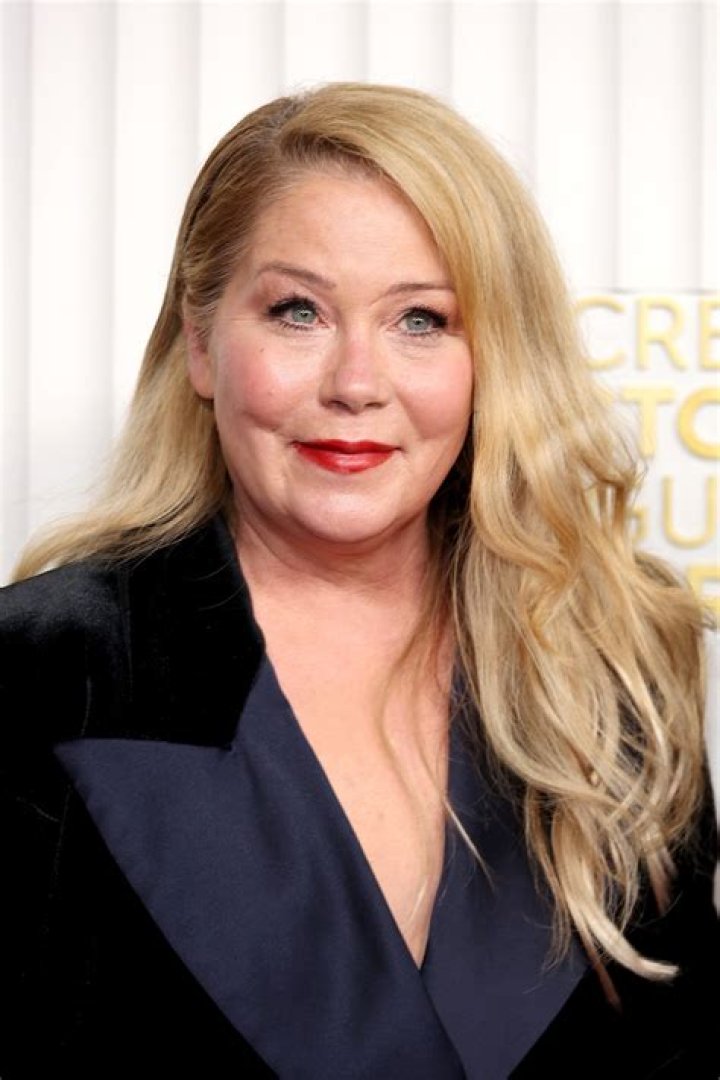
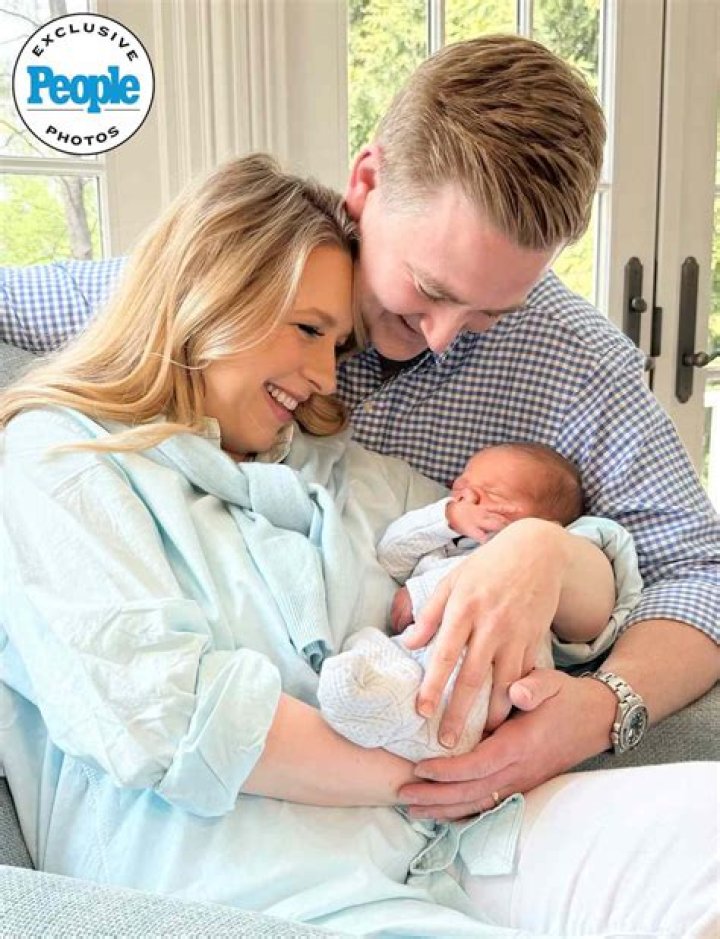
Natural blonde men are individuals with naturally fair hair color, typically ranging from light blonde to golden blonde. This hair coloration is caused by a combination of genetic factors and environmental influences, resulting in a reduced production of melanin, the pigment responsible for hair color.
Blonde hair has been associated with various cultural and historical connotations throughout different periods. In some cultures, blonde hair was seen as a symbol of beauty and youthfulness, while in others, it was perceived as a sign of weakness or effeminacy. Notably, the prevalence of natural blonde hair varies across different geographical regions, with higher concentrations found in Northern and Eastern Europe.
Beyond its cultural significance, natural blonde hair has also been the subject of scientific research. Studies have explored the genetic basis of blonde hair and its potential link to certain personality traits or health conditions. Additionally, the unique hair structure of blonde individuals has been investigated for its implications in hair care and styling.
natural blonde men
Natural blonde men are individuals with naturally fair hair color, typically ranging from light blonde to golden blonde. This hair coloration is caused by a combination of genetic factors and environmental influences, resulting in a reduced production of melanin, the pigment responsible for hair color.
- Genetics: Blonde hair is primarily determined by genetics, with specific gene variants influencing hair color.
- Environment: Sun exposure and certain chemicals can lighten hair color, contributing to blonde hair in some individuals.
- Melanin: Reduced production of melanin, the pigment responsible for hair color, results in blonde hair.
- Cultural significance: Blonde hair has been associated with various cultural and historical connotations, often symbolizing beauty or weakness.
- Geographic distribution: Natural blonde hair is more prevalent in Northern and Eastern Europe due to genetic factors.
- Hair structure: Blonde hair tends to have a finer and more delicate structure compared to darker hair colors.
- Hair care: Blonde hair requires specific care and maintenance due to its delicate structure and susceptibility to damage.
- Styling: Blonde hair offers diverse styling options, from natural waves to bold highlights, due to its light color.
- Health considerations: Blonde hair may be associated with certain health conditions, such as vitiligo or albinism.
- Social perceptions: Blonde hair has been subject to various social perceptions and stereotypes throughout history.
These key aspects provide a comprehensive overview of the topic "natural blonde men," exploring various dimensions related to genetics, environment, cultural significance, hair characteristics, and social perceptions. Understanding these aspects deepens our knowledge of the unique traits and characteristics associated with natural blonde hair.
Genetics
The connection between genetics and natural blonde hair lies in the role of specific gene variants in determining hair color. These gene variants influence the production of melanin, the pigment responsible for hair color. In individuals with natural blonde hair, specific gene variants result in reduced melanin production, leading to the characteristic light blonde to golden blonde hair color.
Understanding the genetic basis of blonde hair is important for several reasons. Firstly, it provides insights into the inheritance patterns of hair color and can help predict the likelihood of having blonde hair in future generations. Secondly, it contributes to our knowledge of the genetic diversity of human populations and the evolution of physical traits. Additionally, genetic research on blonde hair may have implications for understanding hair pigmentation disorders and developing personalized hair care products.
In summary, the genetic basis of blonde hair, as described by the statement "Genetics: Blonde hair is primarily determined by genetics, with specific gene variants influencing hair color," is a crucial component of understanding the unique characteristics of natural blonde men. It highlights the role of genetic inheritance in shaping physical traits and provides a foundation for further research on hair pigmentation and related aspects.
Environment
The influence of environmental factors on hair color, particularly in the context of natural blonde men, adds another dimension to the understanding of this unique trait. Sunlight and certain chemicals play a role in lightening hair color.
- Sun exposure: Prolonged exposure to sunlight can cause the hair to lighten over time. The ultraviolet (UV) rays in sunlight break down melanin, the pigment responsible for hair color, resulting in a gradual lightening effect. This is a common observation, especially during summer months or in regions with high sunlight intensity.
- Chemicals: Certain chemicals, such as hydrogen peroxide and chlorine, can also lighten hair color. These chemicals break down melanin, causing the hair to become lighter. This process is often used in hair bleaching and highlighting techniques.
While genetics play a primary role in determining natural blonde hair color, environmental factors can contribute to lightening the hair further. Sun exposure and chemical treatments can enhance the blonde hair color, making it appear lighter and more noticeable. Understanding these environmental influences provides a more comprehensive view of the factors that shape the characteristics of natural blonde men.
Melanin
This statement highlights a crucial aspect of natural blonde hair, establishing the connection between reduced melanin production and the characteristic light hair color. Melanin, the pigment responsible for hair color, plays a central role in determining the shade and intensity of hair. In individuals with blonde hair, reduced melanin production leads to lighter hair color, ranging from light blonde to golden blonde.
- Genetic Basis: The reduced production of melanin in blonde individuals is primarily attributed to genetic factors. Specific gene variants influence the activity of melanin-producing cells, resulting in decreased melanin synthesis.
- Environmental Influences: While genetics play a dominant role, environmental factors such as sun exposure and chemical treatments can also contribute to reduced melanin production, further lightening hair color.
- Hair Structure: Blonde hair tends to have a finer and more delicate structure compared to darker hair colors due to reduced melanin content, which affects the hair's strength and texture.
- Cultural and Social Perceptions: Natural blonde hair has been associated with various cultural and social perceptions throughout history, often linked to beauty, youthfulness, and certain personality traits.
Understanding the relationship between melanin and blonde hair provides a deeper insight into the unique characteristics of natural blonde men. It encompasses the genetic basis, environmental influences, hair structure, and cultural perceptions that shape this particular hair trait.
Cultural significance
The cultural and historical significance of blonde hair, particularly in relation to natural blonde men, is a multifaceted concept that has evolved over time and across different societies. Blonde hair has been attributed with various connotations, ranging from beauty and desirability to weakness and effeminacy.
- Beauty and Desirability: In many cultures, blonde hair has been associated with beauty, youthfulness, and attractiveness. This perception is often reflected in art, literature, and media, where blonde women and men are frequently portrayed as idealized figures of beauty.
- Weakness and Effeminacy: Conversely, blonde hair has also been associated with weakness, fragility, and a lack of masculinity, particularly in men. This stereotype has been prevalent in certain historical periods and cultural contexts, where blonde men were perceived as less capable or less virile than their darker-haired counterparts.
- Cultural Variations: The cultural significance of blonde hair varies across different regions and ethnic groups. In some cultures, blonde hair is highly valued and considered a desirable trait, while in others it may be associated with negative stereotypes or cultural biases.
- Modern Perceptions: In contemporary society, cultural perceptions of blonde hair have become more diverse and nuanced. While traditional stereotypes may still persist in some contexts, blonde hair is generally viewed as a neutral or even positive attribute, with less emphasis on its association with specific personality traits or abilities.
Understanding the cultural significance of blonde hair provides a deeper context for understanding the experiences and perceptions of natural blonde men. It highlights the complex and evolving nature of cultural norms and beauty standards, and the ways in which hair color can shape social perceptions and self-identity.
Geographic distribution
The geographic distribution of natural blonde hair, with its higher prevalence in Northern and Eastern Europe, holds significant implications for understanding the genetic basis and evolutionary history of this unique trait. This geographic pattern is primarily attributed to the influence of specific gene variants that affect melanin production and hair color.
Genetic studies have identified several gene variants associated with blonde hair, including variants in the SLC24A5, SLC45A2, and TYR genes. These gene variants are more common in populations from Northern and Eastern Europe, contributing to the higher prevalence of blonde hair in these regions. The interaction of these genetic factors with environmental factors, such as sunlight and climate, further shapes the distribution of blonde hair across different geographic areas.
Understanding the geographic distribution of natural blonde hair provides valuable insights into human genetic diversity and the role of genetic factors in shaping physical traits. It also highlights the importance of considering geographic context when studying the genetics and characteristics of human populations.
Hair structure
The hair structure of natural blonde men is characterized by its finer and more delicate nature compared to darker hair colors. This distinct hair structure is primarily attributed to the reduced melanin content in blonde hair, which affects the thickness and strength of the hair shaft.
Melanin, the pigment responsible for hair color, also plays a role in determining hair structure. Darker hair colors, with higher melanin content, tend to have thicker, more robust hair shafts, while blonde hair, with reduced melanin, has finer and more delicate hair shafts. This difference in hair structure can influence various aspects related to hair care and styling.
For instance, finer blonde hair may be more prone to breakage and damage due to its delicate nature. It requires gentler handling and specific hair care products designed for finer hair types to maintain its health and prevent damage. Additionally, the finer structure of blonde hair can affect its styling versatility, as it may not hold curls or waves as effectively as thicker hair types.
Understanding the hair structure of natural blonde men is essential for developing appropriate hair care routines and styling techniques that cater to its unique characteristics. By recognizing the finer and more delicate nature of blonde hair, individuals can tailor their hair care practices to preserve the health and beauty of their hair.
Hair care
The unique characteristics of natural blonde hair necessitate specific hair care practices to maintain its health and beauty. Blonde hair's delicate structure and increased susceptibility to damage require tailored hair care routines and products to prevent breakage, dryness, and other hair concerns.
- Gentle Handling:
Blonde hair, with its finer structure, is more prone to breakage. Gentle handling while brushing, combing, and styling can minimize damage and preserve the integrity of the hair shaft. - Moisturization:
Blonde hair tends to be drier than darker hair colors due to reduced melanin content. Regular use of moisturizing conditioners and hair masks helps replenish moisture, prevent dryness, and enhance hair's overall health. - UV Protection:
Exposure to ultraviolet (UV) rays from the sun can damage hair, causing dryness, fading, and breakage. Using hair products with UV protection or wearing hats when outdoors can shield blonde hair from sun damage. - Color Protection:
Blonde hair is more susceptible to color fading and brassiness. Color-protecting shampoos and conditioners can help maintain the desired hair color, prevent fading, and keep blonde hair looking vibrant.
By understanding the specific hair care needs of natural blonde men, individuals can develop tailored hair care routines that cater to their unique hair characteristics. This tailored approach helps preserve the health, beauty, and natural shine of blonde hair.
Styling
The versatility of blonde hair in styling is a direct result of its inherent light color. The absence of darker pigments allows for a wider range of styling options, making blonde hair highly adaptable to various looks and trends.
Natural waves and curls in blonde hair can be effortlessly enhanced with the use of styling products, creating a beachy and carefree look. The light color reflects light, accentuating the movement and texture of the waves, adding volume and dimension to the hair.
Bold highlights and lowlights are particularly striking on blonde hair. The contrast between the light and dark shades creates a multi-dimensional effect, adding depth and interest to the hair. Blonde hair also provides a suitable base for vibrant fashion colors, allowing for creative and eye-catching looks.
The diverse styling options available for blonde hair empower individuals to express their unique styles and preferences. From sleek and straight to voluminous and textured, blonde hair can be adapted to complement different face shapes and personal aesthetics.
Health considerations
The relationship between blonde hair and certain health conditions is an intriguing aspect that warrants exploration. While blonde hair is often admired for its aesthetic appeal, it may also be associated with specific health considerations that require attention.
- Vitiligo:
Vitiligo is a skin condition characterized by the loss of pigmentation in certain areas of the body, resulting in white patches on the skin. While the exact cause of vitiligo is unknown, it is believed to be an autoimmune disorder where the immune system attacks the cells responsible for producing melanin, the pigment that gives color to the skin, hair, and eyes. Blonde hair, with its reduced melanin content, may be more susceptible to the development of vitiligo, as the lack of pigment makes the hair more vulnerable to the effects of the autoimmune response.
- Albinism:
Albinism is a rare genetic disorder that affects the production of melanin in the body, leading to a complete or partial absence of pigmentation in the skin, hair, and eyes. Individuals with albinism have very fair skin, white or blond hair, and pale eyes. Due to the lack of melanin, people with albinism are highly sensitive to sunlight and may experience vision problems. Understanding the connection between blonde hair and albinism can help raise awareness about this condition and its implications for affected individuals.
It is important to note that not all blonde individuals will develop vitiligo or albinism, and the presence of blonde hair does not necessarily indicate the presence of these conditions. However, understanding the potential association between blonde hair and certain health conditions can facilitate early detection, appropriate medical care, and support for affected individuals.
Social perceptions
The social perceptions surrounding blonde hair have had a profound impact on the experiences and self-perceptions of natural blonde men throughout history. These perceptions have ranged from admiration and desirability to prejudice and discrimination, shaping societal attitudes and influencing cultural norms.
- Beauty and desirability:
In many cultures, blonde hair has been associated with beauty, youthfulness, and attractiveness. This perception is evident in art, literature, and media, where blonde women and men are often portrayed as idealized figures of beauty.
- Intelligence and competence:
In some societies, blonde hair has been associated with intelligence and competence. This stereotype may have originated from the perception of blonde hair as a sign of Nordic or Aryan heritage, which was once associated with superior intelligence and leadership qualities.
- Frivolity and weakness:
Conversely, blonde hair has also been associated with frivolity, weakness, and a lack of seriousness. This stereotype is particularly prevalent in , who may be perceived as less masculine or capable than their darker-haired counterparts.
- Cultural and ethnic stereotypes:
Social perceptions of blonde hair can also be influenced by cultural and ethnic stereotypes. In some cultures, blonde hair is associated with a particular ethnic group or nationality, leading to assumptions and biases about individuals with blonde hair.
These social perceptions have had a complex and multifaceted impact on natural blonde men. While they may benefit from certain positive stereotypes, they may also face prejudice and discrimination based on the perceived associations with their hair color. Understanding the historical and cultural context of these perceptions is crucial for challenging stereotypes and promoting a more inclusive and equitable society.
FAQs on Natural Blonde Men
This section addresses frequently asked questions regarding natural blonde men, providing informative answers to common concerns and misconceptions.
Question 1: Is blonde hair a sign of albinism?
No, not all blonde individuals have albinism. Albinism is a rare genetic disorder characterized by a complete or partial absence of melanin, resulting in very pale skin, white or blond hair, and pale eyes. Natural blonde hair, on the other hand, is a result of reduced melanin production, not a complete absence.
Question 2: Are natural blonde men more susceptible to skin cancer?
While individuals with blonde hair may have fairer skin, which is more sensitive to sunlight, they are not necessarily more susceptible to skin cancer compared to individuals with darker hair. However, it is essential for all individuals to practice sun safety measures, such as using sunscreen and avoiding prolonged exposure to UV radiation.
Question 3: Is it true that blonde men are less intelligent?
There is no scientific evidence to support the notion that blonde men have lower intelligence than men with other hair colors. Intelligence is influenced by a complex interplay of genetic and environmental factors, and hair color is not a reliable indicator of cognitive abilities.
Question 4: Why do some blonde men have darker eyebrows and eyelashes?
Hair color, including eyebrows and eyelashes, is determined by genetics. It is possible for individuals with blonde hair to have darker eyebrows and eyelashes due to variations in gene expression or hormonal factors. This does not indicate any underlying health condition.
Question 5: Can blonde hair turn darker with age?
Yes, it is possible for blonde hair to darken with age. As individuals age, their hair follicles may produce more melanin, resulting in a gradual darkening of hair color. This process can vary depending on genetic and lifestyle factors.
Question 6: Are there any specific hair care considerations for blonde men?
Blonde hair tends to be finer and more delicate than darker hair colors. Gentle handling, regular conditioning, and protection from UV damage are important for maintaining the health and vibrancy of blonde hair. Specific hair care products designed for blonde hair can help preserve its color and prevent breakage.
These FAQs provide a comprehensive overview of various aspects related to natural blonde men, dispelling common misconceptions and offering evidence-based information.
Tips for Natural Blonde Men
Maintaining the health and beauty of natural blonde hair requires specific care and attention. Here are some tips to help enhance and preserve your unique hair color:
Tip 1: Gentle Hair CareBlonde hair tends to be finer and more delicate than darker hair colors. Handle your hair with care when brushing, combing, or styling to minimize breakage. Use a wide-tooth comb or detangling brush to gently remove knots and tangles.
Tip 2: Regular ConditioningBlonde hair is prone to dryness due to reduced melanin content. Incorporate regular conditioning into your hair care routine to replenish moisture and prevent breakage. Choose conditioners specifically designed for blonde hair to enhance color vibrancy and protect against environmental damage.
Tip 3: UV ProtectionUltraviolet (UV) rays from the sun can damage hair, causing dryness, fading, and breakage. Protect your blonde hair from sun exposure by wearing a hat or using hair products with UV protection. This will help preserve your hair color and maintain its health.
Tip 4: Color-Safe ProductsHarsh chemicals in hair care products can strip away blonde hair's natural pigments, leading to brassiness or fading. Opt for color-safe shampoos and conditioners that are designed to protect and enhance your hair color. Avoid using products that contain sulfates or parabens, as these can be particularly damaging to blonde hair.
Tip 5: Avoid Heat StylingExcessive heat styling with blow dryers, flat irons, or curling wands can weaken blonde hair and make it more susceptible to breakage. Air-drying your hair is the gentlest option, but if you must use heat styling tools, apply a heat protectant spray to your hair first to minimize damage.
Tip 6: Regular TrimsRegular trims are essential to remove split ends and prevent further breakage. Split ends can travel up the hair shaft, causing your hair to look dry, frizzy, and unhealthy. Aim to get a trim every 6-8 weeks to maintain healthy, vibrant blonde hair.
By following these tips, you can preserve the beauty and health of your natural blonde hair, ensuring that it remains a source of confidence and distinction.
Natural Blonde Men
The exploration of "natural blonde men" throughout this article has illuminated various dimensions of this unique trait, encompassing genetics, environmental influences, cultural significance, hair characteristics, and social perceptions. Understanding these aspects provides a comprehensive overview of the factors that shape the identity and experiences of individuals with natural blonde hair.
Beyond the physical attributes, the article delves into the complex social perceptions surrounding blonde hair, acknowledging both positive and negative stereotypes. It emphasizes the importance of challenging these stereotypes and promoting inclusivity, recognizing that hair color alone does not determine an individual's worth or abilities.
As we continue to embrace diversity and celebrate individuality, it is essential to appreciate the beauty and uniqueness of natural blonde men. Their hair color, whether a result of genetics or environmental factors, is a part of their identity and should be valued as such. Embracing the diversity of human traits fosters a more inclusive and equitable society where everyone feels valued and respected.