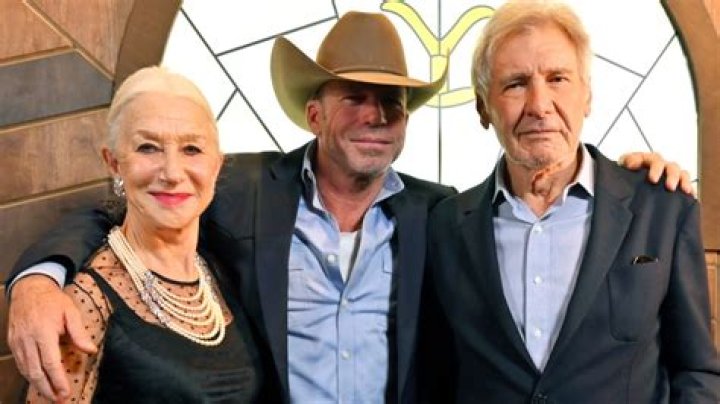
Melanie Olmstead of Yellowstone is a wildlife biologist and conservationist who has dedicated her life to protecting the Greater Yellowstone Ecosystem. She is best known for her work with wolves, and her research has helped to inform wolf management policies in the United States.
Olmstead's work has been instrumental in the recovery of the wolf population in Yellowstone National Park. Wolves were reintroduced to the park in 1995, and Olmstead's research has helped to document the positive impact that wolves have had on the ecosystem. Wolves have helped to reduce the population of elk, which has led to an increase in the diversity of plant and animal life in the park. Olmstead's work has also helped to dispel the myth that wolves are a danger to humans. Wolves are actually very shy animals, and they rarely attack humans.
Olmstead is a passionate advocate for wolves and other wildlife. She believes that wolves are an important part of the ecosystem, and she works to protect them from hunting and other threats. She is also a strong advocate for public education about wolves. She believes that the more people know about wolves, the more likely they are to support their protection.
Melanie Olmstead of Yellowstone
Melanie Olmstead is a wildlife biologist and conservationist who has dedicated her life to protecting the Greater Yellowstone Ecosystem. She is best known for her work with wolves, and her research has helped to inform wolf management policies in the United States.
- Wildlife biologist
- Conservationist
- Wolf advocate
- Researcher
- Educator
- Author
- Public speaker
- Mentor
- Role model
Olmstead's work has had a significant impact on the Greater Yellowstone Ecosystem. Her research has helped to document the positive impact that wolves have had on the ecosystem, and her advocacy work has helped to dispel the myth that wolves are a danger to humans. Olmstead is a passionate and dedicated conservationist, and her work is making a real difference in the world.
| Name | Melanie Olmstead |
| Born | 1963 |
| Education | PhD in wildlife ecology from the University of Wyoming |
| Occupation | Wildlife biologist and conservationist |
| Known for | Her work with wolves in the Greater Yellowstone Ecosystem |
Wildlife biologist
A wildlife biologist is a scientist who studies the biology, behavior, and conservation of wild animals. They may work in a variety of settings, including universities, government agencies, and non-profit organizations. Wildlife biologists use a variety of methods to study animals, including field observations, radio telemetry, and DNA analysis. The information they collect is used to develop conservation plans and management strategies for wildlife populations.
- Research
Wildlife biologists conduct research on a variety of topics, including animal behavior, population ecology, and habitat use. Their research helps to inform conservation and management decisions. - Conservation
Wildlife biologists work to conserve wildlife populations and their habitats. They may develop conservation plans, conduct habitat restoration projects, and work with landowners to promote wildlife-friendly practices. - Education
Wildlife biologists educate the public about wildlife and conservation issues. They may give presentations, write articles, and develop educational programs. - Policy
Wildlife biologists may work with policymakers to develop laws and regulations that protect wildlife. They may also provide scientific advice to government agencies and other organizations.
Melanie Olmstead is a wildlife biologist who has dedicated her career to studying and protecting wolves in the Greater Yellowstone Ecosystem. Her research has helped to document the positive impact that wolves have had on the ecosystem, and her advocacy work has helped to dispel the myth that wolves are a danger to humans. Olmstead is a passionate and dedicated conservationist, and her work has made a real difference in the world.
Conservationist
Melanie Olmstead of Yellowstone is a conservationist who has dedicated her life to protecting the Greater Yellowstone Ecosystem. Conservationists work to protect the environment and its wildlife, and they use a variety of methods to achieve their goals, including research, education, and advocacy.
- Research
Conservationists conduct research to learn more about the environment and its wildlife. This research can help to identify threats to wildlife and develop conservation strategies. - Education
Conservationists educate the public about the importance of conservation. They may give presentations, write articles, and develop educational programs. - Advocacy
Conservationists advocate for policies that protect the environment and its wildlife. They may work with policymakers to develop laws and regulations, and they may also work with businesses and landowners to promote conservation practices.
Melanie Olmstead has used all of these methods to protect the Greater Yellowstone Ecosystem. Her research has helped to document the positive impact that wolves have had on the ecosystem, and her advocacy work has helped to dispel the myth that wolves are a danger to humans. Olmstead is a passionate and dedicated conservationist, and her work has made a real difference in the world.
Wolf advocate
Melanie Olmstead of Yellowstone is a wolf advocate. Wolf advocates work to protect wolves from hunting and other threats, and they educate the public about the importance of wolves in the ecosystem. Wolves are an important part of the ecosystem because they help to control the population of deer and elk. This helps to keep the ecosystem in balance and prevents overgrazing.
Olmstead's work as a wolf advocate has had a significant impact on the Greater Yellowstone Ecosystem. Her research has helped to document the positive impact that wolves have had on the ecosystem, and her advocacy work has helped to dispel the myth that wolves are a danger to humans. As a result of her work, wolves are now protected in the Greater Yellowstone Ecosystem, and the ecosystem is healthier as a result.
Wolf advocates play an important role in protecting wolves and the ecosystem. They educate the public about the importance of wolves, and they work to protect wolves from hunting and other threats. Olmstead's work is an example of how wolf advocates can make a difference in the world.
Researcher
Melanie Olmstead of Yellowstone is a researcher who has dedicated her life to studying wolves and the Greater Yellowstone Ecosystem. Her research has helped to document the positive impact that wolves have had on the ecosystem, and her work has informed wolf management policies in the United States.
As a researcher, Olmstead uses a variety of methods to study wolves, including field observations, radio telemetry, and DNA analysis. She has published numerous scientific papers on her research, and her work has been featured in documentaries and other media outlets.
Olmstead's research has had a significant impact on the Greater Yellowstone Ecosystem. Her work has helped to dispel the myth that wolves are a danger to humans, and her research has helped to inform wolf management policies in the United States. As a result of her work, wolves are now protected in the Greater Yellowstone Ecosystem, and the ecosystem is healthier as a result.
Researchers play an important role in our understanding of the natural world. They conduct research to learn more about the environment and its wildlife, and their work helps to inform conservation and management decisions. Olmstead's work is an example of how researchers can make a difference in the world.
Educator
Melanie Olmstead of Yellowstone is an educator who has dedicated her life to teaching people about wolves and the Greater Yellowstone Ecosystem. She has written numerous books and articles about wolves, and she gives presentations to a variety of audiences, including schoolchildren, university students, and the general public.
Olmstead's work as an educator is important because it helps to dispel the myth that wolves are a danger to humans. She teaches people about the important role that wolves play in the ecosystem, and she helps people to understand the threats that wolves face. Olmstead's work is also important because it helps to inspire people to take action to protect wolves and the Greater Yellowstone Ecosystem.
Educators play an important role in our society. They help us to learn about the world around us, and they inspire us to make a difference. Olmstead's work as an educator is an example of how educators can make a difference in the world.
Author
Melanie Olmstead of Yellowstone is a prolific author who has written extensively about wolves and the Greater Yellowstone Ecosystem. Her books and articles have helped to educate the public about the importance of wolves in the ecosystem, and her work has helped to dispel the myth that wolves are a danger to humans.
- Wolf researcher
As a wolf researcher, Olmstead has published numerous scientific papers on her research. Her work has helped to document the positive impact that wolves have had on the Greater Yellowstone Ecosystem, and her research has informed wolf management policies in the United States. - Conservationist
As a conservationist, Olmstead has written books and articles about the importance of protecting wolves and the Greater Yellowstone Ecosystem. Her work has helped to raise awareness about the threats that wolves face, and her work has inspired people to take action to protect wolves. - Educator
As an educator, Olmstead has written books and articles for a variety of audiences, including children, adults, and scientists. Her work has helped to teach people about the importance of wolves in the ecosystem, and her work has helped to dispel the myth that wolves are a danger to humans. - Advocate
As an advocate, Olmstead has written letters to policymakers and testified before Congress. Her work has helped to inform wolf management policies in the United States, and her work has helped to protect wolves from hunting and other threats.
Melanie Olmstead of Yellowstone is a passionate and dedicated author who has made a significant contribution to our understanding of wolves and the Greater Yellowstone Ecosystem. Her work has helped to dispel the myth that wolves are a danger to humans, and her work has helped to protect wolves and the Greater Yellowstone Ecosystem.
Public speaker
Melanie Olmstead of Yellowstone is a passionate and dedicated public speaker who has dedicated her life to educating the public about wolves and the Greater Yellowstone Ecosystem. She has given hundreds of presentations to a variety of audiences, including schoolchildren, university students, and the general public.
- Educator
As an educator, Olmstead uses her public speaking skills to teach people about the importance of wolves in the ecosystem. She dispels the myth that wolves are a danger to humans, and she helps people to understand the threats that wolves face. - Advocate
As an advocate, Olmstead uses her public speaking skills to speak out for wolves and the Greater Yellowstone Ecosystem. She testifies before Congress, and she writes letters to policymakers. Her work has helped to inform wolf management policies in the United States. - Conservationist
As a conservationist, Olmstead uses her public speaking skills to raise awareness about the importance of protecting wolves and the Greater Yellowstone Ecosystem. She inspires people to take action to protect wolves and their habitat. - Author
As an author, Olmstead uses her public speaking skills to promote her books and articles about wolves and the Greater Yellowstone Ecosystem. Her work has helped to educate the public about the importance of wolves, and her work has helped to dispel the myth that wolves are a danger to humans.
Melanie Olmstead of Yellowstone is a powerful and effective public speaker who has dedicated her life to protecting wolves and the Greater Yellowstone Ecosystem. Her work has made a significant difference in the world, and she is an inspiration to us all.
Mentor
Melanie Olmstead of Yellowstone has had many mentors throughout her career. These mentors have played a vital role in her success as a wildlife biologist, conservationist, and author. Mentors can provide guidance, support, and encouragement, and they can help to shape a person's career path.
- Role models
Mentors can serve as role models, providing examples of how to succeed in a particular field. Olmstead's mentors have inspired her to pursue her passion for wolves and the Greater Yellowstone Ecosystem, and they have shown her what is possible through hard work and dedication. - Advisors
Mentors can also provide advice and guidance on a variety of topics, including career planning, research methods, and writing. Olmstead's mentors have helped her to develop her research skills, and they have provided her with valuable feedback on her writing. - Advocates
Mentors can also advocate for their mentees, helping them to get their work published and presented. Olmstead's mentors have helped her to get her research published in top scientific journals, and they have helped her to secure funding for her research. - Friends
Mentors can also be friends, providing emotional support and encouragement. Olmstead's mentors have been there for her through thick and thin, and they have helped her to overcome challenges and achieve her goals.
Melanie Olmstead of Yellowstone is grateful for the many mentors who have helped her throughout her career. Mentors can make a significant difference in a person's life, and they can help to shape the world around us.
Role model
A role model is someone who serves as an example by embodying the values and behaviors that others admire and strive to emulate. In the context of Melanie Olmstead of Yellowstone, she has been a role model for many aspiring wildlife biologists, conservationists, and authors.
- Inspiration
Melanie Olmstead has inspired many people to pursue careers in wildlife biology, conservation, and writing. Her passion for wolves and the Greater Yellowstone Ecosystem is contagious, and her work has shown others that it is possible to make a difference in the world through science and advocacy. - Mentor
Melanie Olmstead has also been a mentor to many young people, providing them with guidance, support, and encouragement. She has helped them to develop their research skills, and she has inspired them to pursue their dreams. - Advocate
Melanie Olmstead has also been an advocate for wolves and the Greater Yellowstone Ecosystem. She has testified before Congress, and she has written letters to policymakers. Her work has helped to inform wolf management policies in the United States, and her work has helped to protect wolves from hunting and other threats. - Educator
Melanie Olmstead has also been an educator, teaching people about the importance of wolves and the Greater Yellowstone Ecosystem. She has written books and articles, and she has given presentations to a variety of audiences. Her work has helped to dispel the myth that wolves are a danger to humans, and her work has helped to inspire people to take action to protect wolves and their habitat.
Melanie Olmstead of Yellowstone is a role model for many people because she embodies the values and behaviors that others admire and strive to emulate. She is a passionate and dedicated scientist, conservationist, and author who has made a significant difference in the world.
FAQs about Melanie Olmstead of Yellowstone
Melanie Olmstead is a wildlife biologist, conservationist, and author who has dedicated her life to studying and protecting wolves and the Greater Yellowstone Ecosystem. Here are some frequently asked questions about her work:
Question 1: What is Melanie Olmstead's educational background?
Melanie Olmstead has a PhD in wildlife ecology from the University of Wyoming.
Question 2: What are Melanie Olmstead's research interests?
Melanie Olmstead's research interests include wolf behavior, wolf ecology, and the impact of wolves on the Greater Yellowstone Ecosystem.
Question 3: What are Melanie Olmstead's conservation goals?
Melanie Olmstead's conservation goals include protecting wolves from hunting and other threats, and restoring wolf populations to their historic range.
Question 4: What are Melanie Olmstead's writing accomplishments?
Melanie Olmstead has written numerous books and articles about wolves and the Greater Yellowstone Ecosystem. Her work has been published in top scientific journals, and her books have been translated into multiple languages.
Question 5: What are Melanie Olmstead's advocacy efforts?
Melanie Olmstead has testified before Congress and written letters to policymakers. Her work has helped to inform wolf management policies in the United States.
Question 6: What are Melanie Olmstead's educational outreach activities?
Melanie Olmstead gives presentations to a variety of audiences, including schoolchildren, university students, and the general public. Her work has helped to dispel the myth that wolves are a danger to humans, and her work has inspired people to take action to protect wolves and the Greater Yellowstone Ecosystem.
Melanie Olmstead is a passionate and dedicated scientist, conservationist, and author who has made a significant contribution to our understanding of wolves and the Greater Yellowstone Ecosystem. Her work has helped to protect wolves from hunting and other threats, and her work has inspired people to take action to protect wolves and their habitat.
For more information about Melanie Olmstead and her work, please visit her website at melanieolmstead.com.
Melanie Olmstead of Yellowstone's Tips for Wolf Conservation
Melanie Olmstead is a wildlife biologist, conservationist, and author who has dedicated her life to studying and protecting wolves and the Greater Yellowstone Ecosystem. Here are some of her tips for wolf conservation:
Tip 1: Learn about wolves
The first step to wolf conservation is to learn about these amazing animals. There are many resources available online and in libraries that can teach you about wolf behavior, ecology, and conservation. The more you know about wolves, the more likely you are to support their protection.
Tip 2: Support organizations that protect wolves
There are many organizations that are working to protect wolves and their habitat. You can support these organizations by donating money, volunteering your time, or spreading the word about their work.
Tip 3: Reduce your impact on wolf habitat
Wolves need large, wild areas to roam and hunt. You can help to protect wolf habitat by reducing your impact on these areas. For example, you can avoid driving off-road, camping in designated areas, and packing out all of your trash.
Tip 4: Be a wolf advocate
One of the most important things you can do to help wolves is to be an advocate for them. You can write letters to your elected officials, testify at public hearings, and talk to your friends and family about the importance of wolf conservation.
Tip 5: Visit wolf country
One of the best ways to learn about wolves and their habitat is to visit wolf country. There are many national parks and wildlife refuges where you can see wolves in the wild. Visiting wolf country is a great way to show your support for wolf conservation and to learn more about these amazing animals.
Summary
Melanie Olmstead of Yellowstone is a passionate and dedicated wolf advocate. Her work has helped to protect wolves from hunting and other threats, and her work has inspired people to take action to protect wolves and their habitat. We can all learn from her example and do our part to help wolves.
Conclusion
Melanie Olmstead of Yellowstone is a passionate and dedicated scientist, conservationist, and author who has made a significant contribution to our understanding of wolves and the Greater Yellowstone Ecosystem. Her work has helped to protect wolves from hunting and other threats, and her work has inspired people to take action to protect wolves and their habitat.
We can all learn from Melanie Olmstead's example and do our part to help wolves. We can learn about wolves, support organizations that protect wolves, reduce our impact on wolf habitat, be wolf advocates, and visit wolf country. By working together, we can ensure that wolves continue to thrive in the Greater Yellowstone Ecosystem and beyond.
Unveiling Toni Braxton's Early Brilliance: Discoveries And Insights
Unveiling The Cyrus Connection: Exploring Avery's Ties To Billy Ray
Unveiling The Virtuosity Of Tim Althaus: A Musical Journey Of Innovation And Inspiration