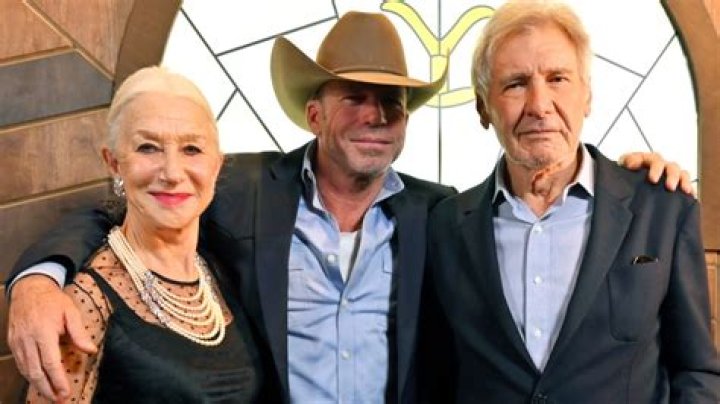
Ameshia cross ethnicity refers to the blending of different ethnicities or cultural backgrounds within a single individual or community.
In today's globalized world, ameshia cross ethnicity is becoming increasingly common as people from different cultures interact and form relationships. This can lead to the creation of new and unique cultural identities that reflect the diverse experiences of individuals.
There are many benefits to ameshia cross ethnicity. It can help to promote understanding and tolerance between different cultures. It can also lead to the development of new and innovative ideas and perspectives. Additionally, ameshia cross ethnicity can help to break down barriers between people and create a more inclusive and just society.
Ameshia cross ethnicity
Ameshia cross ethnicity is the blending of different ethnicities or cultural backgrounds within a single individual or community. It is a complex and multifaceted phenomenon that can be explored through various dimensions, including:
- Identity
- Culture
- Community
- History
- Politics
- Economics
- Education
- Media
Each of these dimensions plays a role in shaping the experiences of individuals and communities who identify as ameshia cross ethnic. For example, individuals may navigate multiple cultural identities, negotiate different cultural norms and values, and face unique challenges and opportunities in their communities. Ameshia cross ethnicity can also have a significant impact on the political, economic, and educational landscape of a society.
Ultimately, ameshia cross ethnicity is a celebration of the diversity of human experience. It is a reminder that we are all connected, and that our differences can make us stronger.
Notable individuals of ameshia cross ethnicity include:
| Name | Ethnicity | Occupation |
|---|---|---|
| Barack Obama | African-American and white American | 44th President of the United States |
| Maria Hinojosa | Mexican and white American | Journalist and author |
| Jhumpa Lahiri | Indian and American | Writer |
Identity
Identity is a complex and multifaceted concept that refers to the sense of self that an individual possesses. It is shaped by a variety of factors, including one's culture, ethnicity, race, gender, and personal experiences. For individuals who identify as ameshia cross ethnic, identity can be a particularly complex and fluid concept. This is because they may identify with multiple cultures and ethnicities, and their sense of self may be constantly evolving and changing.
One of the most important aspects of identity is the ability to feel connected to a community. For ameshia cross ethnic individuals, this can be a challenge, as they may not always feel like they fully belong to any one community. However, there are many ways to build community and find a sense of belonging. For example, ameshia cross ethnic individuals may find community through shared interests, hobbies, or cultural activities.
Another important aspect of identity is the ability to feel proud of one's heritage. For ameshia cross ethnic individuals, this can be a challenge, as they may face discrimination or prejudice from others who do not understand their cultural background. However, it is important to remember that ameshia cross ethnicity is a strength, and that individuals should be proud of their unique heritage.
Culture
Culture is a complex and multifaceted concept that encompasses the beliefs, values, customs, and practices of a particular group of people. It is a powerful force that shapes our identity, our worldview, and our behavior. For ameshia cross ethnic individuals, culture can be a source of both strength and challenge.
- Cultural Identity
Culture is a key component of identity. It shapes the way we see ourselves and the world around us. Ameshia cross ethnic individuals may have multiple cultural identities, which can lead to a complex and nuanced sense of self.
- Cultural Values
Culture also shapes our values. These values guide our behavior and decision-making. Ameshia cross ethnic individuals may have to navigate between different sets of cultural values, which can lead to ethical dilemmas and conflicts.
- Cultural Customs
Culture is also expressed through customs and traditions. These customs can be related to everything from food and clothing to marriage and death. Ameshia cross ethnic individuals may have to adapt to different sets of cultural customs, which can be challenging and disorienting.
- Cultural Practices
Finally, culture is also expressed through practices. These practices can include anything from religious rituals to artistic expression. Ameshia cross ethnic individuals may have to participate in different sets of cultural practices, which can be enriching and rewarding, but also confusing and overwhelming.
Overall, culture is a powerful force that shapes the lives of ameshia cross ethnic individuals. It can be a source of both strength and challenge, but it is also an essential part of their identity.
Community
Community is an important part of ameshia cross ethnicity. It provides a sense of belonging and support for individuals who may feel like they do not fully belong to any one culture or ethnic group. Community can also help to preserve and promote cultural traditions and values.
There are many different types of communities that ameshia cross ethnic individuals can be a part of. These communities can be based on shared interests, hobbies, culture, or ethnicity. There are also many community organizations that provide support and services to ameshia cross ethnic individuals and families.
One of the most important benefits of community is that it can help to reduce feelings of isolation and loneliness. Ameshia cross ethnic individuals may feel like they do not fully belong to any one culture or ethnic group, and this can lead to feelings of isolation and loneliness. Community can provide a sense of belonging and support, and it can help individuals to feel more connected to others.
Community can also help to preserve and promote cultural traditions and values. Ameshia cross ethnic individuals may come from different cultures and ethnic backgrounds, and they may have different cultural traditions and values. Community can help to preserve and promote these traditions and values, and it can help to pass them on to future generations.
History
History plays a significant role in shaping ameshia cross ethnicity. It is through history that we learn about the experiences of our ancestors and how they have shaped our present-day identities. For ameshia cross ethnic individuals, history can provide a sense of belonging and connection to a larger community. It can also help us to understand the challenges and triumphs that our ancestors have faced, and how they have contributed to the world.
One of the most important aspects of history for ameshia cross ethnic individuals is the history of migration. Migration is the movement of people from one place to another, and it has been a major force in shaping the world's population. Ameshia cross ethnic individuals are often the descendants of migrants, and understanding the history of migration can help us to understand our own identities and experiences.
Another important aspect of history for ameshia cross ethnic individuals is the history of race and ethnicity. Race and ethnicity are social constructs that have been used to categorize and differentiate people. The history of race and ethnicity is often a history of oppression and discrimination, and it is important for ameshia cross ethnic individuals to understand this history in order to challenge racism and discrimination in the present day.
History is a powerful tool that can help us to understand ourselves and the world around us. For ameshia cross ethnic individuals, history can provide a sense of belonging, connection, and identity. It can also help us to understand the challenges and triumphs that our ancestors have faced, and how they have contributed to the world.
Politics
Politics plays a significant role in the lives of ameshia cross ethnic individuals. This is because politics shapes the laws and policies that govern our societies, and these laws and policies can have a major impact on the lives of ameshia cross ethnic individuals. For example, laws and policies can affect access to education, healthcare, and housing. They can also affect the ability of ameshia cross ethnic individuals to participate in political life.
Historically, ameshia cross ethnic individuals have often been marginalized and excluded from political participation. This is due to a variety of factors, including racism, discrimination, and xenophobia. However, in recent years, there has been a growing movement to increase the political participation of ameshia cross ethnic individuals. This movement has been led by activists, community organizers, and elected officials who are working to create a more inclusive and just society.
The political participation of ameshia cross ethnic individuals is essential for a healthy and vibrant democracy. This is because ameshia cross ethnic individuals bring unique perspectives and experiences to the political process. They can help to ensure that the needs of all members of society are met, and they can help to build a more just and equitable world.
Economics
Economics is the study of how people produce, distribute, and consume goods and services. It is a broad and complex field that encompasses everything from microeconomics, which looks at the behavior of individual consumers and firms, to macroeconomics, which looks at the behavior of the economy as a whole.
Economics is closely connected to ameshia cross ethnicity in a number of ways. First, economics can help us to understand the economic challenges that ameshia cross ethnic individuals face. For example, ameshia cross ethnic individuals may face discrimination in the labor market, which can lead to lower wages and fewer job opportunities. Additionally, ameshia cross ethnic individuals may be more likely to live in poverty and to have less access to education and healthcare.
Second, economics can help us to develop policies that can address the economic challenges that ameshia cross ethnic individuals face. For example, policies that promote job creation and reduce discrimination can help to improve the economic well-being of ameshia cross ethnic individuals. Additionally, policies that expand access to education and healthcare can help to improve the overall quality of life for ameshia cross ethnic individuals.
Understanding the connection between economics and ameshia cross ethnicity is essential for developing policies that can improve the economic well-being of ameshia cross ethnic individuals. By understanding the economic challenges that ameshia cross ethnic individuals face, we can develop policies that can help to address these challenges and create a more just and equitable society.
Education
Education plays a critical role in the lives of ameshia cross ethnic individuals. It can provide them with the skills and knowledge they need to succeed in school, work, and life. Education can also help ameshia cross ethnic individuals to develop a strong sense of identity and to connect with their cultural heritage.
There are a number of challenges that ameshia cross ethnic individuals face in the education system. These challenges include discrimination, racism, and xenophobia. Additionally, ameshia cross ethnic individuals may also face language barriers and cultural differences. Despite these challenges, education is essential for ameshia cross ethnic individuals. It can help them to overcome the challenges they face and to achieve their full potential.
There are a number of things that can be done to improve the educational experiences of ameshia cross ethnic individuals. These include:
- Providing culturally competent
- Creating a welcoming and inclusive school environment
- Addressing the needs of ameshia cross ethnic students who are English language learners
- Providing support for ameshia cross ethnic students who are facing discrimination or racism
By taking these steps, we can help to ensure that all ameshia cross ethnic students have the opportunity to succeed in school and to reach their full potential.
Media
Media plays a critical role in shaping public opinion and discourse on ameshia cross ethnicity. Through its portrayal of ameshia cross ethnic individuals and communities, the media can either perpetuate stereotypes and biases or challenge them and promote understanding and acceptance.
On the one hand, the media can be a powerful tool for promoting positive representations of ameshia cross ethnicity. For example, media campaigns that feature ameshia cross ethnic individuals in a positive light can help to break down stereotypes and challenge discrimination. Additionally, media outlets that provide diverse and inclusive content can help to create a more welcoming and accepting environment for ameshia cross ethnic individuals.
On the other hand, the media can also be a source of negative and harmful representations of ameshia cross ethnicity. For example, media outlets that sensationalize or exoticize ameshia cross ethnic individuals and communities can reinforce stereotypes and contribute to discrimination. Additionally, media outlets that fail to provide diverse and inclusive content can create a hostile and unwelcoming environment for ameshia cross ethnic individuals.
It is important to be aware of the power of the media to shape public opinion and discourse on ameshia cross ethnicity. By being critical consumers of media and by supporting media outlets that promote positive and inclusive representations of ameshia cross ethnicity, we can help to create a more just and equitable society.
Frequently Asked Questions on Ameshia Cross Ethnicity
This section addresses common concerns and misconceptions surrounding ameshia cross ethnicity, providing concise and informative answers to frequently asked questions.
Question 1: What is ameshia cross ethnicity?
Answer: Ameshia cross ethnicity refers to the blending of different ethnicities or cultural backgrounds within a single individual or community.
Question 2: How does ameshia cross ethnicity affect identity?
Answer: Individuals who identify as ameshia cross ethnic may have multiple cultural identities, leading to a complex and nuanced sense of self.
Question 3: What are the challenges faced by ameshia cross ethnic individuals?
Answer: Ameshia cross ethnic individuals may encounter challenges related to discrimination, racism, and xenophobia, as well as difficulties navigating multiple cultural expectations.
Question 4: How can we promote understanding and acceptance of ameshia cross ethnicity?
Answer: Encouraging positive media representations, providing culturally competent education, and fostering inclusive communities are crucial for promoting understanding and acceptance of ameshia cross ethnicity.
Question 5: What are the benefits of ameshia cross ethnicity?
Answer: Ameshia cross ethnicity fosters cultural exchange, promotes diversity, and provides individuals with a unique perspective that can benefit society as a whole.
Question 6: How can we create a more inclusive society for ameshia cross ethnic individuals?
Answer: Creating a more inclusive society involves challenging stereotypes, promoting equity and justice, and celebrating the diversity of ameshia cross ethnicity.
In conclusion, understanding ameshia cross ethnicity and addressing the challenges faced by individuals who identify as such is essential for fostering a just and equitable society that embraces diversity and celebrates the richness of cultural heritage.
Transitioning to the next section of the article...
Understanding and Supporting Ameshia Cross Ethnicity
Recognizing and supporting ameshia cross ethnicity is a crucial step towards fostering a more inclusive and equitable society. Here are some tips to enhance understanding and provide meaningful support:
Tip 1: Embrace Diversity and Intersectionality
Acknowledge that ameshia cross ethnic individuals embody multiple cultural identities and experiences. Respect and value the unique perspectives and contributions of each individual.
Tip 2: Promote Cultural Exchange and Learning
Create opportunities for ameshia cross ethnic individuals to share their cultural heritage and engage with others. Facilitate dialogue and learning to foster mutual understanding and appreciation.
Tip 3: Challenge Stereotypes and Biases
Actively challenge stereotypical representations and discriminatory attitudes towards ameshia cross ethnic individuals. Promote accurate and inclusive narratives that reflect the diversity of their experiences.
Tip 4: Advocate for Equity and Justice
Support policies and initiatives that promote equity and justice for ameshia cross ethnic individuals. Address systemic barriers and advocate for fair access to opportunities in education, employment, and healthcare.
Tip 5: Foster Inclusive Communities and Belonging
Create welcoming and inclusive communities where ameshia cross ethnic individuals feel valued and have a sense of belonging. Celebrate diversity and nurture a culture of respect and acceptance.
Tip 6: Provide Culturally Competent Services
Ensure that services provided to ameshia cross ethnic individuals are culturally competent and responsive to their specific needs. Train professionals to understand and address the unique challenges they may face.
Tip 7: Encourage Self-Identification and Empowerment
Empower ameshia cross ethnic individuals to self-identify and embrace their unique heritage. Support their efforts to connect with their cultural communities and celebrate their identities.
Tip 8: Foster Intercultural Dialogue and Collaboration
Promote intercultural dialogue and collaboration between ameshia cross ethnic individuals and people from different backgrounds. Encourage open communication and shared learning to build bridges of understanding and respect.
In conclusion, understanding and supporting ameshia cross ethnicity requires a multifaceted approach that values diversity, challenges biases, fosters inclusivity, and promotes equity. By embracing these tips, we can create a more just and harmonious society that celebrates the richness of cultural heritage and empowers all individuals to thrive.
Conclusion
In exploring ameshia cross ethnicity, we gain a deeper understanding of the multifaceted experiences and challenges faced by individuals who navigate multiple cultural identities. Embracing ameshia cross ethnicity is not merely about acknowledging diversity but actively fostering a society that values and supports the unique contributions of all its members.
To achieve this, it is crucial to challenge stereotypes, promote intercultural dialogue, and advocate for policies that promote equity and justice. By creating inclusive communities and providing culturally competent services, we empower ameshia cross ethnic individuals to thrive and contribute fully to society. Upholding the principles of respect, understanding, and collaboration is the key to unlocking the transformative potential of ameshia cross ethnicity.
Uncover The Enigma: Unveiling The Identity Of Jesse Ventura's Daughter
Hometown HGTV: Uncovering The Truth Behind The Facade
Uncover The Truth: Kathy Bates' Life Status Unveiled!
Who Is Rising Political Analyst Ameshia Cross? 5 Things To Know
Political Strategist Ameshia Cross Dissects Senate GOP Refusal of